

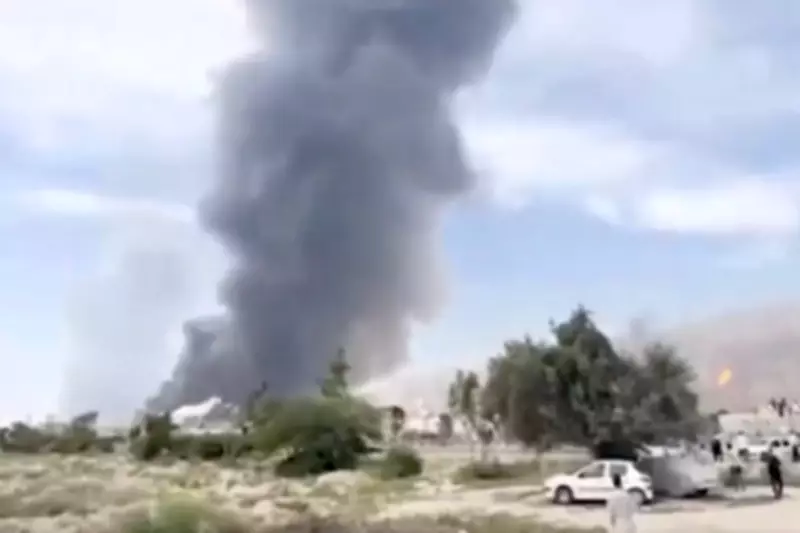
Oil Prices Surge After Gulf Strikes Rattle Global Markets
Oil prices have experienced a significant surge as attacks on gas fields in the Gulf region have stoked fears across the world, intensifying concerns over the ongoing Middle East conflict. The escalation follows a series of targeted strikes that have rattled markets and heightened geopolitical tensions.
Iran Escalates Attacks on Energy Infrastructure
Iran has dramatically escalated its attacks on energy infrastructure in Gulf Arab nations, including Qatar and the United Arab Emirates. This aggressive move comes in direct response to an Israeli strike on Iran's main natural gas field, further complicating the volatile situation in the region.
Saudi Foreign Minister Expresses Shattered Trust

The Saudi foreign minister has publicly stated that trust in Iran has been shattered, underscoring the deepening diplomatic rift between the nations. This declaration highlights the severe strain on regional relations and the potential for prolonged instability.
Global and Military Developments
In a related development, President Donald Trump's largest warship is currently limping to Crete for essential repairs after sustaining damage from a massive fire. This incident adds to the military complexities in the area.
Additionally, two men have been charged with spying on the United Kingdom's Jewish community on behalf of Iran, raising alarms about espionage activities linked to the conflict.
WHO Prepares for Nuclear Concerns
World Health Organization officials have admitted they are actively preparing for the possible use of nuclear weapons in Iran, reflecting grave international apprehensions about the conflict's potential to escalate into a broader crisis.
The combination of these factors—surges in oil prices, escalated attacks, diplomatic breakdowns, military incidents, espionage charges, and nuclear preparedness—paints a concerning picture of the current Middle East landscape, with implications for global security and economic stability.






