
Oil prices tumbled to a three-month low on Monday as optimism over a US-Iran peace deal raised hopes that the Strait of Hormuz would soon reopen. Brent crude fell 5% to below $83 a barrel, while wholesale gas prices dropped 6% in Europe. The agreement, which is expected to be signed in Switzerland after the G7 summit, would end the conflict that had disrupted global energy supplies.
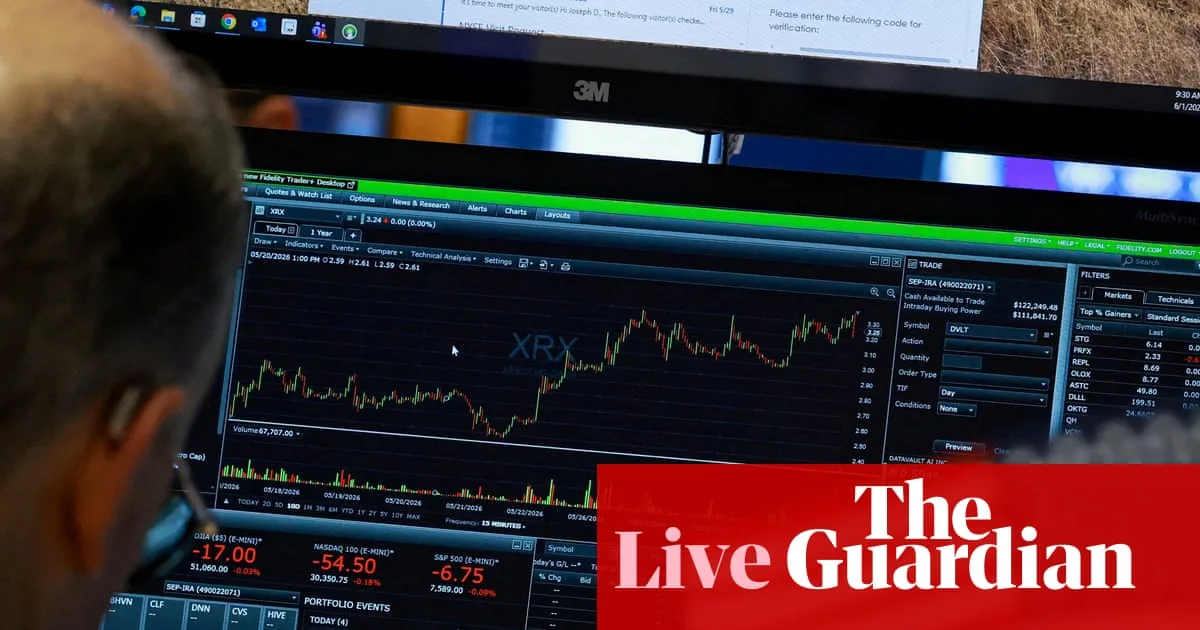
Stock markets rallied on the news, with Wall Street hitting record highs. The Dow Jones industrial average rose 1% to a new peak of 51,857 points, surpassing its previous record from early June. The Russell 2000 index of small US companies also reached a new high, up 1.5%. European markets similarly gained, with the pan-European index hitting a record earlier in the day.
President Trump announced the deal on Sunday, posting on social media: 'Ships of the World, start your engines. Let the oil flow!' He later clarified that the strait would open after the signing on Friday. Iran confirmed the text of a memorandum of understanding had been finalised, stating the war would end 'permanently and immediately on all fronts'.
However, analysts warned that a return to normalcy could take months and depends on cooperation between Tehran and Washington. ABN Amro highlighted unresolved issues, including uranium enrichment moratoriums, reconstruction costs, and Iran's desire to levy tolls on the strait. The International Monetary Fund said it remains on 'high alert' for economic damage from the conflict, though managing director Kristalina Georgieva noted the global economy 'appears to be holding up'.
In London, the FTSE 100 missed the rally, closing 41 points lower at 10,430 points, down 0.4%. Defence firm BAE Systems fell 4.7% on hopes of sustained peace, while oil giant Shell dropped 4.3%. The index was dragged down by losses in defensive stocks, despite gains in miners and financials.




