

Japanese Cargo Ship Executes Daring Escape from Iranian Blockade
The Japanese-owned bulk cargo vessel Iron Maiden successfully navigated through Iran's blockade of the strategically critical Strait of Hormuz by employing a clever deception tactic. The ship broadcast a false claim of Chinese ownership via its transponder as it sailed through the dangerous maritime chokepoint under cover of darkness.
Perth-Bound Vessel's High-Stakes Maneuver
After being stranded in the Persian Gulf following the United States and Israel's bombing campaign against Iran on February 28, the Iron Maiden managed to unload cargo in Dubai on March 2. The vessel then joined thousands of other ships heading toward the Strait of Hormuz, where it remained in limbo for two tense days under constant threat of Iranian attack.
On March 4, the Japanese-owned ship made its decisive move, approaching the strait while broadcasting "China owner" from its transponder system. Traveling at approximately 22 kilometers per hour—close to maximum speed for a bulk carrier of its size—the vessel executed its nighttime passage through the contested waters.

Strategic Signal Manipulation and Analysis
Intelligence analysts from UK-based maritime intelligence company Windward noted the vessel's sophisticated approach. "This pattern suggests the possibility of an informal access filter, where vessels signalling Chinese ownership or crew may be attempting to indicate neutrality or avoid targeting in the current conflict environment," the analysts explained.
The Iron Maiden further obscured its movements by switching off its tracking signal for approximately one hour while transiting through the Strait of Hormuz, only reactivating the system once safely reaching the opposite side of the waterway.
Iran's Growing Control Over Vital Shipping Lane
This incident underscores Iran's increasing authority over maritime traffic through the Strait of Hormuz, where vessels associated with friendly nations appear to receive preferential treatment. Earlier this month, the LPG tanker Bogazici employed a similar strategy by broadcasting that it was Muslim-owned and Turkish-operated to avoid potential attacks while passing through the strait before escaping into the Indian Ocean.
The Iron Maiden's successful passage reflects a broader pattern of vessels adapting their identification signals to navigate Iran's blockade of this crucial global shipping route, which handles approximately one-fifth of the world's oil shipments.
Journey Completion and Australian Arrival
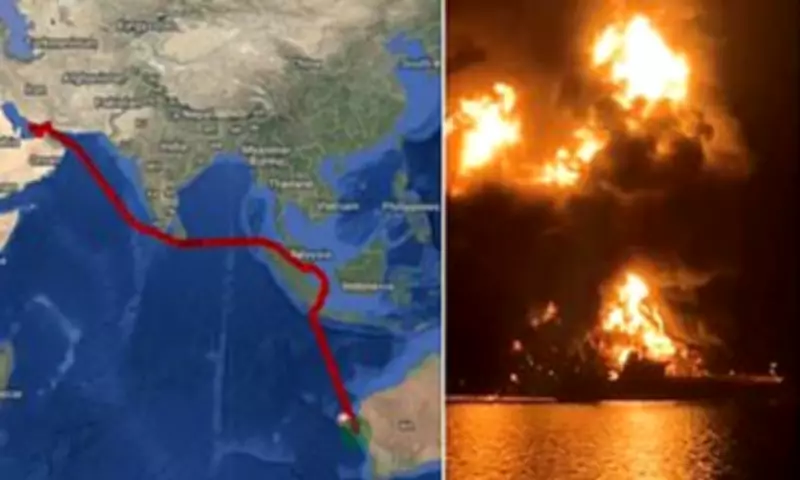
Following its dramatic escape, the Iron Maiden continued its voyage to Singapore, arriving on March 17 before proceeding to the Western Australian coast, where it appeared on March 24. According to maritime tracking service VesselFinder, the carrier is bound for Kwinana port and is scheduled to dock in Perth on Thursday.
This arrival marks a significant milestone as the Iron Maiden will become the first known ship to dock in Australia after being stranded in Dubai during the ongoing conflict. However, the vessel's cargo of dry goods means it will not contribute to alleviating Australia's deteriorating oil supply situation, despite its successful navigation through the blockade.
The Iron Maiden's journey highlights the complex geopolitical dynamics affecting global shipping routes and the innovative measures vessels are employing to ensure safe passage through increasingly contested international waters.






