Iranian Strikes Paralyse Strait of Hormuz, Sending Oil Prices Soaring
Iran has launched a series of retaliatory strikes against US and Israeli targets across the Middle East, severely disrupting the global oil and gas industry and threatening to reignite inflationary pressures worldwide. The attacks have targeted key oil facilities and brought shipping traffic through the critical Strait of Hormuz to a near-standstill.
Choke Point at a Standstill
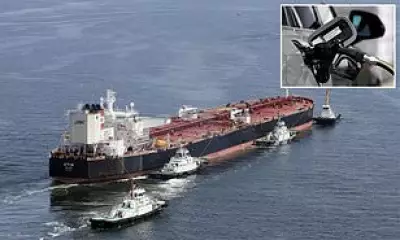
The Strait of Hormuz, a narrow seaway between Iran and Oman measuring just over 20 miles at its narrowest, is an unavoidable bottleneck for approximately 20% of the world's oil supplies. While Iran has not officially closed the channel, extreme jitters among oil companies, shipping firms, and insurers have effectively halted marine traffic. Visualisations of shipping activity show vessels clustering on either side of the strait, with many tankers dropping anchor to await developments.
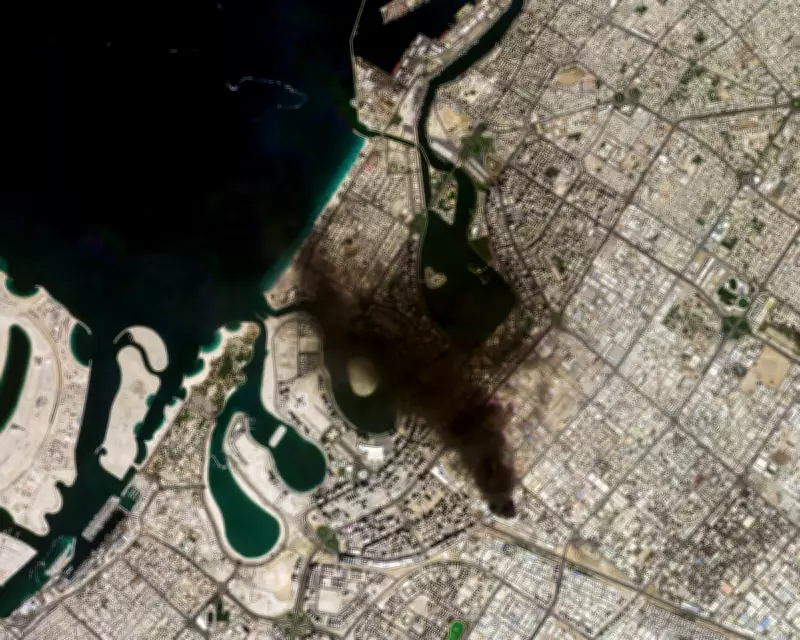
These fears are well-founded, with at least three tankers damaged and one seafarer killed over the weekend. Dubai's Jebel Ali port, the world's busiest container hub outside Asia, temporarily suspended operations after falling debris from an aerial interception ignited a fire at a berth. According to Lloyds List, the number of cargo vessels navigating the strait plummeted from more than 50 daily to just seven on Sunday.

Escalating Attacks and Economic Fallout
Iranian forces claimed on Monday to have struck the Honduras-flagged fuel tanker Athe Nova with two drones, leaving it ablaze. Additional strikes hit a port facility in Oman and a ship northwest of Muscat, as Tehran broadcast radio warnings to ships intending to cross the strait. Amid the chaos, oil prices surged by over 10% to above $80 per barrel over the weekend, before settling slightly lower on Monday.
Analysts warn that if the conflict prolongs, Brent crude could soar to $100 per barrel. Fiona Cincotta of City Index suggested US crude might reach $90 due to supply worries if strait traffic does not resume. Attacks on extraction and refining facilities have further throttled oil flows. Saudi Aramco shut its Ras Tanura refinery, which processes 550,000 barrels daily, after it was struck by debris from intercepted Iranian drones.
Gas Supplies and Inflationary Risks
The conflict has also disrupted liquefied natural gas (LNG) supplies. QatarEnergy, the world's largest LNG supplier, halted production on Monday after a drone attack, likely by Iran. With Qatar providing about 20% of global LNG, European gas prices spiked to their highest level since Russia's invasion of Ukraine in 2022. Although prices remain below their 2022 peak, sustained increases could pressure Western economies still recovering from inflationary shocks.
Jim Reid, a Deutsche Bank analyst, noted that Monday's 8.2% oil price spike was only the 38th largest daily increase since 1990, indicating a relatively modest immediate impact. However, prolonged crisis risks more pronounced price rises, triggering a domino effect across the economy. Jess Ralston of the Energy and Climate Intelligence Unit warned that households and businesses could face rising bills again, exacerbating debt from previous gas crises.
Broader Economic and Political Implications
Analysts at Quilter estimate that a $10 increase in oil prices can add up to 0.4% to consumer inflation and shave off 0.3% from global GDP growth if the crisis persists. Energy-hungry economies paying more for oil and gas could also bolster Russia, whose reserves fund its war in Ukraine. Kirill Dmitriev, an adviser to Vladimir Putin, recently predicted oil would soon hit $100.
Politically, any jump in living costs could harm US political prospects in autumn midterm elections, contradicting recent claims of falling inflation and gas prices. In the UK, Chancellor Rachel Reeves faces inflationary risks as she prepares her spring statement. The situation underscores how regional conflicts can swiftly escalate into global economic threats, with the Strait of Hormuz remaining a flashpoint for energy security and market stability.