
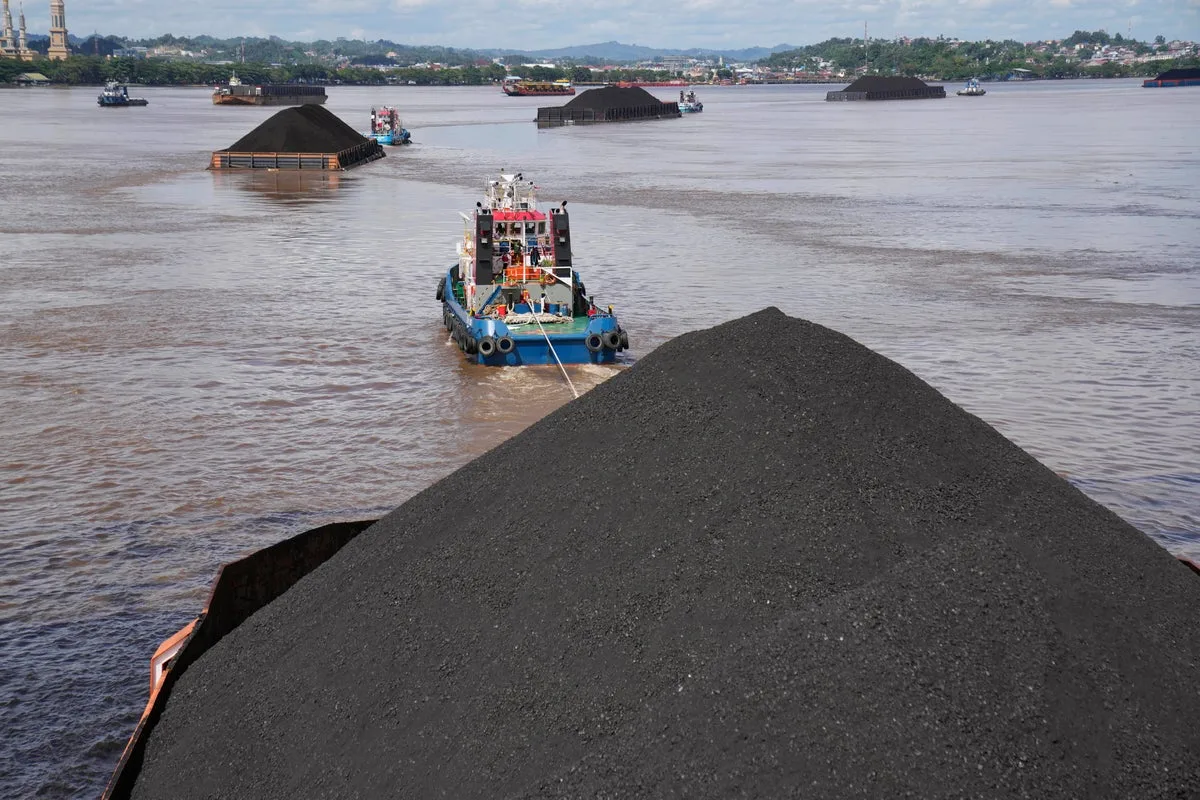
Indonesia is overhauling its trade policies for key commodities in a sudden move that some experts liken to a hostile takeover of major industries, with global implications. The new regulation, announced to parliament by President Prabowo Subianto, mandates that a state-owned enterprise will handle exports of coal, palm oil and iron alloys by September.
Prabowo said one aim is to increase tax revenues and restore dwindling government reserves. Indonesia is the largest exporter of thermal coal and palm oil, and has the world's biggest known reserve of nickel. The new rules likely will ripple across international supply chains.
As Indonesia's largest trading partner, China will feel the brunt of this policy pivot, experts say. Chinese companies are major investors in Indonesian industries, including critical minerals. The swift implementation could affect access to resources for China's clean technologies industries.
Analysts said the centralization of trade may also open the door to more American investment. Prabowo told lawmakers Indonesia had lost up to $908 billion due to underreporting by exporters. The new entity, PT Danantara Sumberdaya Indonesia, will strengthen government influence on commodity prices.
From June to August, private companies are expected to turn over their import and export transactions to Danantara. Trade analysts are sceptical that the government can seamlessly take over trade in all those industries within less than four months.




