
European leaders are being urged to adopt a more China-like approach to navigate what analysts describe as an age of 'un-order', where traditional rules and international norms have ceased to matter. The call comes amid escalating energy prices and geopolitical tensions, including the US-Israel conflict with Iran, which threatens both China and Europe.
While European governments have focused on preserving order through institutions like NATO and the WTO, China has spent years preparing for chaos. Beijing has stockpiled oil, food, and semiconductors, cornered markets in rare earths and critical minerals, and positioned itself to dominate future technologies. This strategic foresight has left Europe dangerously exposed.
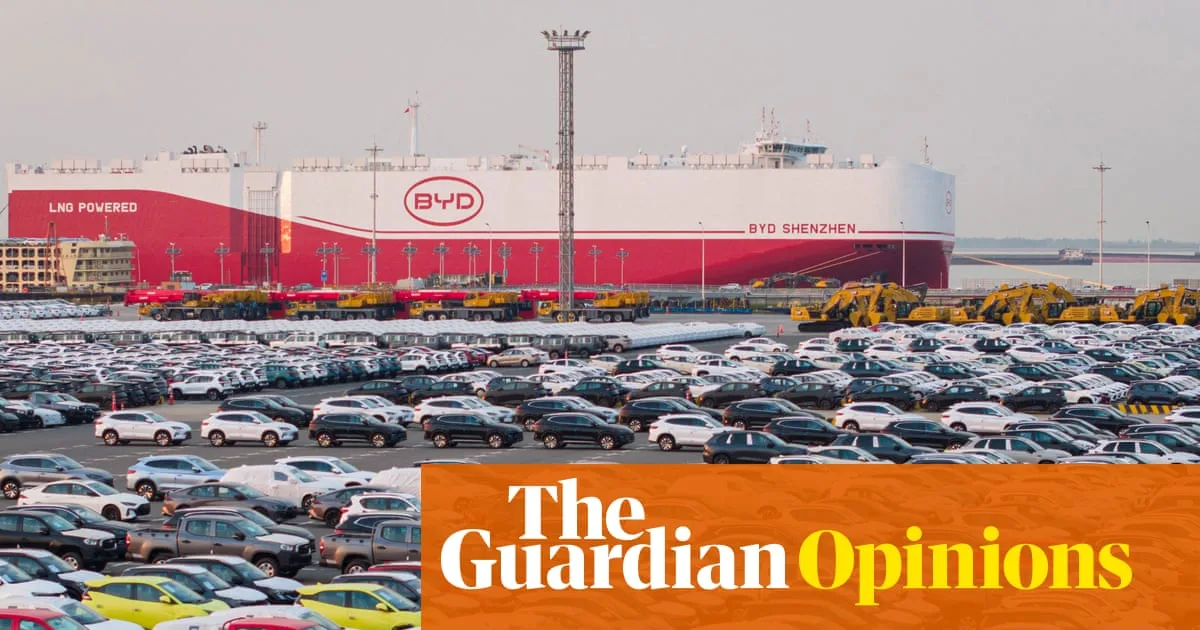
Europe's reliance on Chinese supply chains is stark: 80% of global drone production and 97% of the EU's magnesium—essential for fighter jets and munitions—come from China. As Europe rearms against Russian threats and pursues a clean energy transition, it finds key technologies such as batteries, EVs, and solar panels dominated by Chinese firms.
Some European leaders have hesitated to take a harder line, fearing loss of Chinese investment. However, promised investments in countries like Hungary and Spain have not materialised. Experts argue that only significant EU tariffs can incentivise Chinese companies to build factories in Europe, rather than flooding the market with exports.
To avoid deindustrialisation and strategic vulnerability, Europe must develop agency in a world without order. This means selectively protecting its internal market, building strategic stockpiles, and launching a massive investment drive in green tech, AI, and defence—essentially giving China a dose of its own medicine.




