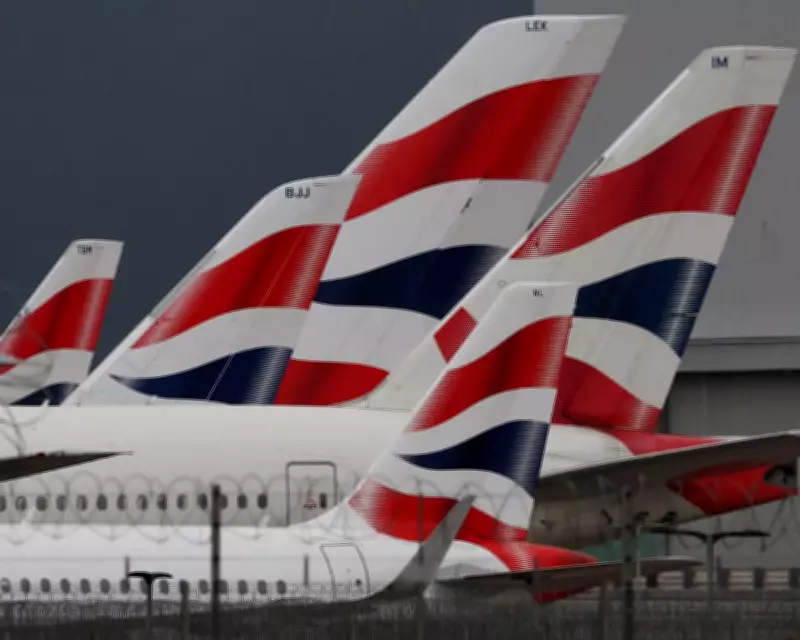
Airlines Lobby UK Government to Relax Environmental Rules Amid Fuel Crisis Fears
The trade body Airlines UK has submitted a comprehensive list of demands to the UK government on behalf of major carriers, including British Airways, easyJet, Ryanair, Virgin Atlantic, TUI, and Jet2. This urgent lobbying effort comes as the aviation industry prepares for higher operational costs and a potential shortage of jet fuel, driven by the ongoing conflict in the Middle East.
Key Policy Requests Submitted to Ministers
In a briefing document first reported by ITV News, Airlines UK has outlined several critical requests aimed at mitigating the impact of possible fuel supply disruptions. The demands include:
- Suspending the emissions trading scheme to reduce financial burdens on airlines.
- Relaxing limits on night flights to allow for greater scheduling flexibility if disruptions occur.
- Altering passenger compensation rights by classifying fuel-related disruptions as "extraordinary circumstances," which would limit payouts to refunds only for cancellations or delays.
- Scrapping or reducing air passenger duty through rebates or temporary holidays to alleviate cost pressures.
- Easing "use it or lose it" slot rules at major airports, enabling airlines to cancel flights without forfeiting future flying rights.
Industry Concerns Over Fuel Supply and Costs
The briefing warns that if current disruptions to jet fuel supplies persist or worsen, airlines may be forced to cut flights and increase fares significantly. Although both the aviation industry and the UK government maintain that there is no immediate fuel shortage, concerns are mounting. Some airlines and observers fear that supplies cannot be sustained indefinitely, particularly if the Strait of Hormuz remains blocked by either Iran or the US.

Last week, the head of the International Energy Agency cautioned that flight cancellations could become imminent if oil supplies from the Middle East are not restored, noting that Europe has only about six weeks of jet fuel reserves left.
Additional Measures Proposed in the Crisis Plan
The document also proposes several technical adjustments to safeguard fuel supplies, such as:
- Dropping European standards on jet fuel to permit imports of Jet A from the US, which is currently restricted due to its higher freezing point.
- Requiring UK refineries to prioritise jet fuel production over petrol or diesel to ensure adequate supplies for flights.
These measures, combined with the relaxation of night flying restrictions, could have significant implications for communities living near airports or under flight paths, potentially increasing noise pollution temporarily.
Industry and Government Responses
A spokesperson for Airlines UK emphasised that airlines are currently operating normally and not experiencing jet fuel supply issues. However, they stressed the importance of proactive government action to ensure supply continuity and support the industry, which faces record-high fuel prices. "Additional flexibility, should it be needed, would enable airlines to operate most efficiently to minimise any disruption to customers and maintain long-established global networks," the spokesperson added.
In a related development, Lufthansa announced on Tuesday that it has cancelled 20,000 flights between May and October to conserve fuel, as reported by the Financial Times. The German airline has cut approximately 120 daily flights and will drop unprofitable routes from Munich and Frankfurt until mid-October, saving an estimated 40,000 metric tonnes of jet fuel.
Willie Walsh, director general of the global airlines body Iata, highlighted the need for coordinated planning, stating, "Along with doing everything possible to secure alternative supply lines, it's important that authorities have well-communicated and well-coordinated plans in place in case rationing becomes necessary, including for slot relief."

A UK government spokesperson reiterated that airlines are not currently facing a jet fuel shortage but acknowledged ongoing contingency planning. "We continue to work with fuel suppliers, airlines and international counterparts on our contingency planning, to ensure people keep moving and businesses are supported while the conflict is ongoing," the spokesperson said, adding that the priority is to de-escalate the conflict and prevent disruption to passengers.