

Natural History Museum Reigns Supreme as UK's Most Visited Attraction
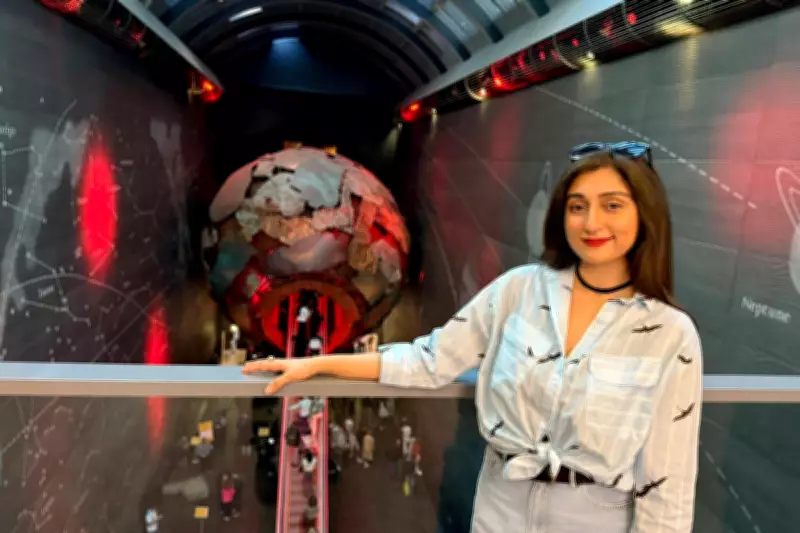
For London resident Queenie Shaikh, it comes as no surprise that the Natural History Museum, renowned for its spectacular dinosaur skeletons, has been officially crowned the most popular visitor attraction in the United Kingdom. On a brilliant spring day, Shaikh explains why this iconic institution remains an essential destination for visitors of all generations.
Record-Breaking Visitor Numbers and Historic Foundations
The museum was recently declared the UK's leading attraction for 2025 by the Association of Leading Visitor Attractions, known as Alva. With its expansive five-acre garden and innovative climate gallery, the Natural History Museum welcomed a staggering 7.1 million visitors last year alone. This figure represents a substantial 13 percent increase from 2024, solidifying its status as a national treasure.
Originally opening its doors on 18 April 1881, the museum traces its origins back to 1753 and the remarkable career of Sir Hans Sloane. As a distinguished physician, Sloane traveled extensively, amassing an enormous collection of natural history specimens and cultural artifacts. Following his death, Parliament acquired over 71,000 items from his estate, forming the foundational core of the museum's world-class collection.

A Personal Connection Through Pop Culture and Childhood Fascination
Shaikh describes herself as a lifelong museum enthusiast, with her passion for the Natural History Museum ignited during childhood by the Jurassic Park film franchise. The thrilling scenes of dinosaur encounters sparked a lasting blend of fascination and awe. This interest deepened through cultural touchstones like the television series Friends, where character Ross Geller's paleontology enthusiasm and romantic museum dates resonated with her own ideal experiences.
Observing numerous families engaging with exhibits on her visit, Shaikh notes that this shared appreciation spans generations. The museum's ability to connect with both children and adults through relatable cultural references is a key element of its widespread appeal.
Architectural Grandeur and Educational Depth
Beyond pop culture, the Natural History Museum captivates visitors with its stunning Victorian Romanesque Revival architecture, which houses exhibits chronicling an astonishing 4.5 billion years of Earth's history. For adults, confronting fossils that predate humanity by millennia offers profound perspective on everyday concerns, transforming trivial worries into moments of reflection.
The experience begins in Hintze Hall, where the 25-meter-long blue whale skeleton named Hope hangs majestically from the ceiling, serving as a powerful symbol of ocean conservation. The museum is intelligently organized into color-coded zones: Blue for dinosaurs and mammals, Red for geology and evolution, Green for birds and insects, and Orange for the wildlife garden and spirit collection. This system allows visitors to navigate the vast collections with ease.
Interactive Exhibits and Unique Collections
Unlike other top UK attractions such as the British Museum, Windsor Castle, Tate Modern, and the National Gallery, the Natural History Museum distinguishes itself through highly interactive displays. It features hands-on exhibits and digital installations suitable for all ages, including the Volcanoes and Earthquakes gallery with its realistic simulator recreating the 1995 Kobe earthquake.
Additional highlights include the Investigate science center for children, live animal displays, multiple dinosaur sections, and recent special attractions like Pokemon's first UK museum pop-up shop. Shaikh's personal favorite is Earth Hall, where an escalator cuts through a dynamically colored space overseen by one of the world's most complete Stegosaurus skeletons. The upper level showcases gems, minerals, and even a piece of moon rock, with the gallery occasionally hosting unique events like wedding photoshoots.

Climate Focus and Diverse Visitor Experiences
The museum's new climate gallery, titled Fixing Our Broken Planet, attracted over two million visitors last year. It educates guests about practical, nature-based alternatives for food, energy, and materials, emphasizing how these choices impact human health. Featuring more than 200 specimens, from a Sumatran rhino to an ancient cow skull, the gallery highlights humanity's effect on the natural world while underscoring opportunities for conservation.
Shaikh's visit concluded at The Vault, home to rare items like a slice of the Imilac meteorite and the enigmatic Delhi Purple Sapphire, before enjoying a refreshment at the Earth Hall cafe. Throughout her exploration, she observed the museum's broad appeal to solo visitors, couples, families, and content creators alike, noting that its success stems not just from spectacle but from the diverse ways visitors can engage with its offerings.
Beyond the Galleries: Events and Accessibility
The museum's allure extends well beyond its permanent exhibits, with upcoming events including silent discos, yoga sessions, and the popular Dino Snores sleepovers for adults. These ticketed experiences offer overnight stays, film marathons, three-course meals, and live comedy. Remarkably, general admission to the museum remains entirely free, allowing visitors to experience it not merely as a collection of curiosities but as a vital, working research institution.
To plan a visit, the Natural History Museum in London suggests a voluntary donation of £5 per person to support its ongoing research and collections, with advance ticket booking recommended through its official website.





