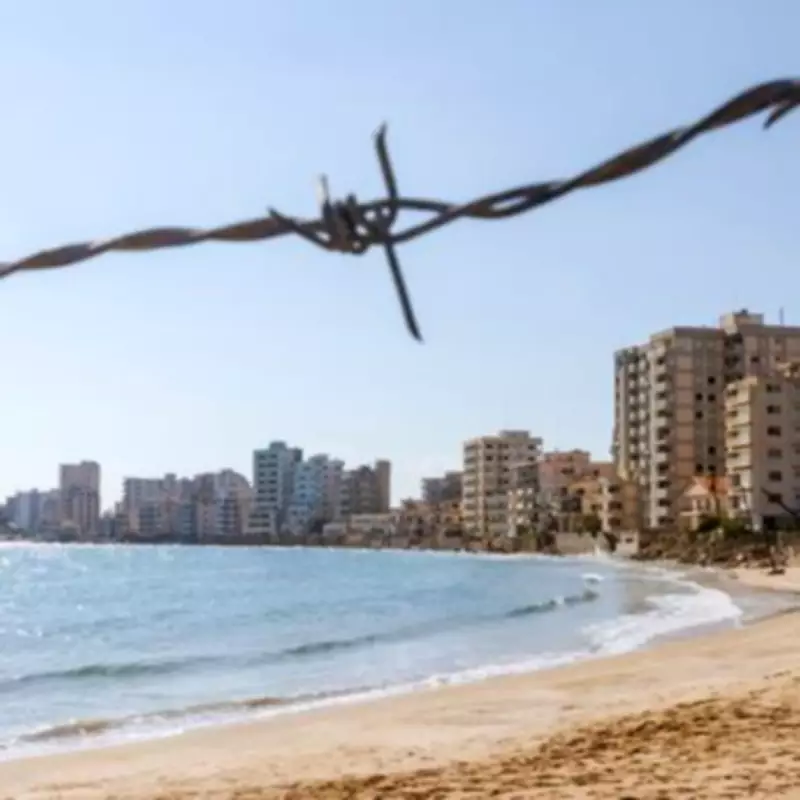
From Hollywood Glamour to Eerie Abandonment: The Transformation of Varosha
The coastal resort of Varosha, located a short distance from popular Cyprus holiday destinations like Paphos and Limassol, has undergone a remarkable transformation. Once a glamorous playground attracting Hollywood elite including Elizabeth Taylor during the 1960s, this stunning European seaside destination was effectively left to rot following geopolitical turmoil. Now, decades after its abandonment, Varosha has found unexpected new life as a haven for dark tourism, drawing visitors fascinated by its ghostly atmosphere and tragic history.
A Resort Frozen in Time
Varosha's dramatic change began on July 20, 1974, when Turkish forces invaded Cyprus's northern territory following a coup attempt backed by the Greek junta just five days earlier. The military incursion compelled approximately 15,000 inhabitants to evacuate en masse, abandoning their homes, businesses, and pristine beaches virtually overnight. Consequently, the district transformed into a ghost town with structures left predominantly vacant, remaining frozen in time under Northern Cyprus's jurisdiction to this day.
The abandonment allowed nature to reclaim the area in unsettling ways:

- Vegetation began growing through pavements and buildings
- Sea turtles established nesting sites on beaches once packed with sunbathers
- Infrastructure deteriorated without maintenance or inhabitants
The Dark Tourism Revival
In October 2020, a significant decision by Turkish President Recep Tayyip Erdogan and then prime minister of Northern Cyprus Ersin Tatar reopened the district to visitors. This move catalyzed Varosha's emergence as a destination for dark tourism – the practice of visiting places associated with death, tragedy, or historical suffering. According to figures published in 2024, more than 1.8 million tourists have descended on the ghost town over the past four years, drawn by its chilling historical significance and crumbling, derelict landscape.
Professor Hubert Faustmann of the University of Nicosia explained to the Daily Express: "The section found itself in the top tourist sites in terms of dark tourism, so they started to open up certain parts of Varosha, and it's now a tourist destination with guided tours, with e-bikes, vehicles and coffee shops." He further noted that Varosha is being used as a tourist attraction without a single pre-1974 inhabitant returning, representing a fundamental change in the area's character and purpose.
Modern Amenities Meet Historical Tragedy
In a bid to shed its decaying reputation while capitalizing on tourist interest, Varosha has undertaken significant clean-up efforts and now boasts a range of amenities catering to visitors:
- Beach umbrellas and facilities along the coastline
- Canteens and coffee shops serving refreshments
- Guided tours explaining the area's history
- E-bike and vehicle rentals for exploration
Despite these developments, the town's political situation remains contentious. Just days after its tourism figures were made public, Varosha's troubled status was discussed at the Parliamentary Assembly of the Council of Europe (PACE) in Oslo. PACE rapporteur Piero Fassino, an Italian senator who visited the ghost town in mid-May, presented findings expressing hope that Varosha could eventually be transformed back into a "living town" rather than remaining a tourist curiosity.
The Growing Appeal of Dark Tourism
Dark tourism has been a longstanding element of the travel sector but has achieved widespread attention through media like the Netflix programme Dark Tourist, which explores bizarre, eerie customs and folklore connected to locations worldwide. Dark tourism enthusiast Louise Joy, blogger and founder of The Morbid Tourist, explained to The Mirror: "Traditionally, dark tourism is visiting places associated with death and tragedy." She routinely seeks out "spooky" locations when traveling and notes that social media platforms like TikTok have substantially impacted the dark tourism sector in recent years.

Joy suggests that "The individuality on TikTok [helps] people seeing stuff that is different and you don't necessarily see that out there offline, like in books," indicating how digital platforms have democratized access to niche travel interests and contributed to Varosha's unexpected revival as a tourist destination despite its tragic history and abandoned state.