Spain's Sakura: The Stunning Cherry Blossom Season in Jerte Valley
Spain's Sakura: Cherry Blossom Season in Jerte Valley

Spain's Very Own Sakura: Cherry Blossom Season in the Jerte Valley

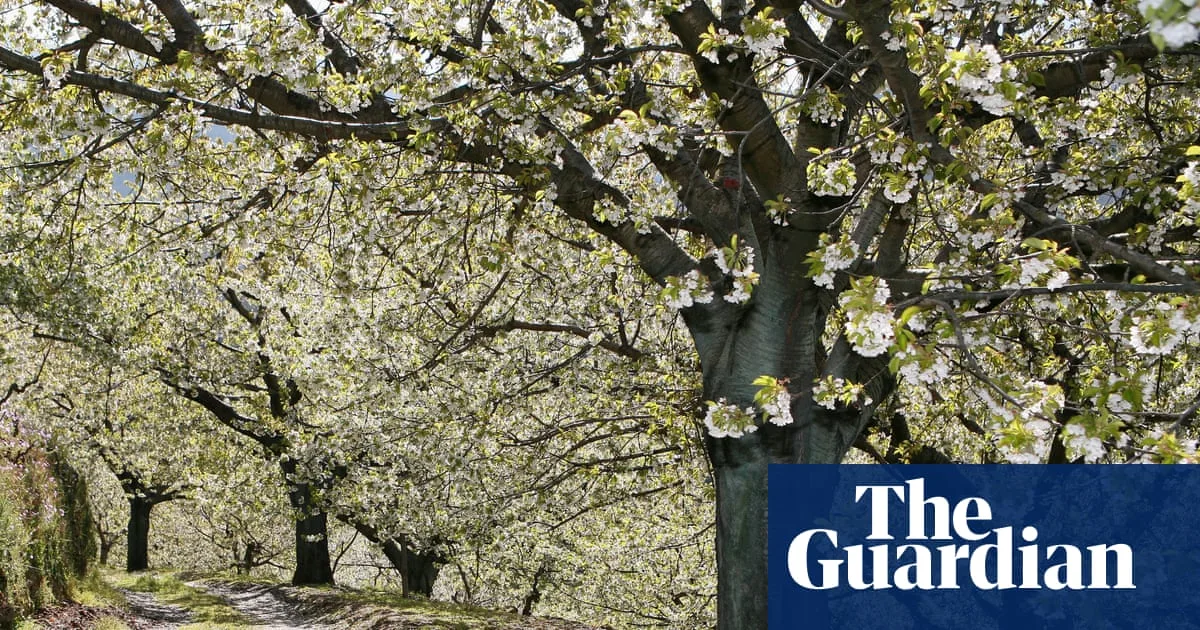
You do not need to travel to Japan to witness a breathtaking floral display. Every spring, a corner of Extremadura in Spain is transformed as approximately two million cherry trees burst into bloom, creating a stunning natural spectacle.

The Anticipation of Bloom

In late March, the villagers of the Jerte valley in Extremadura, often described as Spain's wild west, grow anxious, akin to hosts awaiting guests at a grand party. The event they eagerly anticipate is the flowering of the valley's vast cherry orchards. So far, only a few trees, specifically the Royal Tioga variety, have dared to adorn their frilly spring attire. The majority remain clad in drab grey winter garb.

Predicting the arrival of blossom is always a tricky endeavour. Due to an unseasonably wet March, the trees are running three weeks behind schedule during my visit. With snow still blanketing the surrounding sierras, the tourist office in Cabezuela del Valle, situated halfway up the valley, is hastily arranging alternative activities for coachloads of blossom-seekers arriving from Madrid. As with any nature-reliant activity, such as whale watching or aurora hunting, timing poses a significant challenge. However, unlike hit-and-miss spectacles involving wild animals, the blossoming is a guaranteed event, though it may be delayed. It is worth noting that wildfires affected parts of the Jerte valley last summer, but thankfully, few cherry trees were damaged.

Wide Pickt banner — collaborative shopping lists app for Telegram, phone mockup with grocery list

A Rural Spectacle Versus Urban Tradition

The nation most famously associated with cherry blossom is, of course, Japan. There, the sakura, or ornamental cherry blossom tree, has for centuries symbolised the transient nature of life. For a few weeks in springtime, its delicate pink confetti-like blossom sprinkles streets and temple gardens, with millions participating in hanami, or flower viewings, across the country.

Spain's display offers a distinct experience. This is a rural spectacle rather than a predominantly urban one, and it holds the significant advantage, particularly for UK travellers, of being much closer. I embarked on a train journey from my Devon village, hoping the trip itself would be as enjoyable as the destination.

It certainly was. The sunrise over a milky River Teign as we glided through Teignmouth was a serene start. By teatime, I found myself in Paris, savouring a glossy coffee religieuse – double-decker eclairs resembling nuns in habits – on a sunlit boulevard. An early start the next day took me, via TGV, along the French Riviera, past palm-fringed resorts, onwards to Barcelona, and finally to Plasencia in Extremadura. At 11 pm, the Plaza Mayor in its historic walled heart still echoed with the chatter of animated locals enjoying raciones of Iberian ham and paprika-flecked grilled octopus.

Immersing in the Valley's Charm

The following morning, I ascended the valley to the peaceful village of Jerte and its hospedería, part of Extremadura's network of hotels housed in restored historic buildings, similar to the national paradores. The squat white-washed building was once a leather-tanning factory and later an oil press. My room overlooked the vocal River Jerte and hillsides crisscrossed with terraces planted with cherry trees, providing a ringside seat as their buds strained to unfurl.

I joined the collective waiting game, passing the hours by roaming Jerte's cobbled streets beneath geranium-draped balconies of its half-timbered houses. One afternoon, I tackled the rugged mountain trail taken by Holy Roman Emperor and King of Spain Carlos V to reach the monastery he chose for his retirement in 1556. The poor emperor, riddled with gout, had to be carried on a sedan chair over the mountains and across a vigorous river, now marked by a stone bridge known as the Puente Nuevo. My circuit culminated in the high drama of Los Pilones, a jumble of granite boulders eroded and bleached by the river to form crystalline bowl-shaped pools.

Pickt after-article banner — collaborative shopping lists app with family illustration

Back in Jerte, there were cherry products to sample, from liqueurs to jams and bottled fruit. At the hospedería, a knockout cherry and pistachio dessert rounded off the regional tasting menu, remarkable value at €45. In summer, locals creatively marry cherries with tomatoes to make a variation on gazpacho. Edible cherries represent the key difference between the Jerte and Japan: Japan's trees are ornamental, whereas Jerte's are fruit-bearing, serving as the main source of income for the valley's inhabitants. Had I time to linger another couple of months, I could witness the area's second annual spectacle – trees laden with lipstick-red fruit, sparking more festivities and offering two bites at the cherry from a tourism perspective.

The Heart of Cherry Agriculture

At the processing factory down the valley towards Plasencia, white-coated workers were cleaning machinery, ready to wash, grade, and pack Jerte's cherries from late May to late July. "This is family agriculture," says Mónica Tierno Díaz, who directs a collective of 15 local cherry farming cooperatives. "Cherries are our way of life. Picking them is how I learned to count as a kid. Most growers in the valley have just a few hectares and pick the cherries by hand into chestnut wooden baskets. But marketing and selling their fruit is difficult. So we do that for them, our key markets being Britain and Germany."

Alongside commercial varieties like Lapins and Van, Jerte produces a small stalkless cherry called Picota, unique to the region and holding protected designation of origin certification. Pop into your local supermarket in June, and you may spot these tiny, slightly crunchy jewels. "Many people got used to black gobstopper cherries, so getting them to buy these smaller, paler cherries was a challenge," says Mónica. "But once people taste them and realise how sweet they are, they're hooked."

The Blossom Finally Arrives

Next morning, I drove down the valley to the hillside village of El Torno and witnessed a Jerte transformed; it was as if snow had silently fallen overnight. The trees had finally donned their floral finery, and the party had begun. I explored the orchards on foot – the best way to experience them – following one of the valley's many well-marked footpaths, and settled beneath blossom-laden trees for a hanami picnic, Spanish-style. I was grateful for my early start, as I was soon joined by a boisterous crowd of blossom-baggers who had followed one of the tourist office's cherry-viewing driving routes, posing for the ultimate floral selfie.

The 50km motoring circuit includes El Torno, neighbouring Rebollar, and villages such as Valdastillas, Piornal, and Cabrero on the other side of the valley. An equally spectacular 30km linear route traces the main road down the valley. With each passing day, the blossom edges up the valley like a frothy white wave, finally reaching the village of Tornavacas at the top. Donning my walking boots again, I headed there from Jerte along the Ruta Cerezo en Flor (the cherry blossom trail). From its mirador (viewpoint), I gazed at the sea of blossom below.

Incidentally, if you tire of blossom-gazing, the tourist office runs a two-week Cherry Blossom festival – part of a six-week spring festival – with an ambitious lineup of events across the valley's villages, from folk dancing to concerts and exhibitions, typically from 27 March to 11 April. Returning to my hotel in Jerte, I noticed the streets and bars were buzzing. It felt like time for a celebratory tot of the local cherry liqueur.

A Sweet Farewell

I was sad to leave this magical valley. But as I journeyed home, I consoled myself with the thought that in a few months, I would hopefully be savouring Jerte's Picotas at home, a sweet and equally fleeting reminder of Spain's very own sakura.

Travel Details: The trip was provided by the Extremadura tourist board and the Spanish tourist office in London. The Hospedería Valle del Jerte offers doubles from around €135 B&B. Travel was provided by Rail Europe; an Interrail Global pass starts from €318 for five days of travel over a month for adults.