

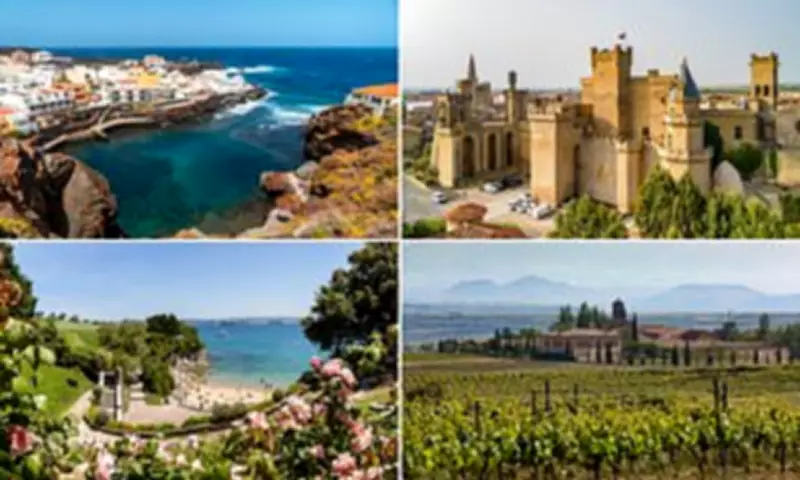
With ongoing conflicts in the Middle East disrupting travel to distant destinations or those requiring stopovers in the region, many holidaymakers are pivoting towards locations closer to home this year. Spain is poised to be exceptionally popular, having welcomed a record-breaking 97 million tourists last year. Experts now predict this summer could see visitor numbers soar to 100 million in this sunny European hotspot, according to reports from The Sun.
Surge in Bookings and the Search for Seclusion
Flight bookings to Spain have surged by 32 percent year-on-year as of April 2, data from the digital travel marketing platform Sojern reveals. However, for travellers eager to escape packed beaches and bustling streets, Spain thankfully harbours numerous hidden gems waiting to be explored.
Almería: The Desert Oasis
Nestled on Spain's Mediterranean coast in the southeast, Almería remains a relatively undiscovered destination. It enjoys near-summer sunshine year-round, with only 26 days of rainfall annually. The region is recognised as Europe's only true desert due to its proximity to the Tabernas Desert and its position in the rain shadow of the Sierra Nevada mountains.

Last year, Almería attracted approximately 2.7 million tourists, significantly fewer than the over 11 million who visited Madrid. Beyond its balmy climate, the area boasts breathtaking natural landmarks, unique landscapes, and a coastline largely free from high-rise hotel developments.
Key attractions include the impressive Alcazaba de Almería fortress, the 16th-century Catedral de la Encarnación, and cultural venues like the Museum of Almería and the Museo de la Guitarra, which houses a collection of vintage guitars. Visitors can stroll through palm trees and pools in Nicolás Salmerón Park, then amble along the Paseo de Marítimo to San Miguel and Zapillo beaches.
Sierra de las Nieves: Mountain Paradise
Sierra de las Nieves offers a dreamy mountain escape as a National Park and UNESCO Biosphere Reserve in Andalusia. It features 1,500 different plant varieties and 14 picturesque villages to discover. The tranquil spot is home to the deepest vertical cave in the region and peaks reaching 2,000 metres high, described by the local tourism board as 'a paradise of contrasts'. Designated a National Park in 2021, it became Spain's 16th overall and the first in the Málaga region.
La Rioja: Wine Country Without the Crowds
According to Spain's National Institute of Statistics (INE), La Rioja was the country's least visited region in 2024. This gorgeous destination, famed for its wine production, welcomed just 123,123 visitors. Approximately 10,000 Britons travel there annually, as per The Telegraph, ensuring restaurants and streets remain uncrowded.
La Rioja is an inland region in northern Spain that deserves greater attention. Lonely Planet notes: 'Wine complements the region's ochre earth and vast blue skies, which feel more Mediterranean than the Basque greens further north. This diverse area offers more than just grape pleasures; a few days here can involve exploring lively towns, quiet pilgrim churches, and even hunting for giant reptile remains.'
Cantabria: Coastal and Mountain Splendour
Often overlooked as one of Spain's least-visited coastal regions, Cantabria should not be missed. It features the jaw-dropping Picos de Europa mountains and countless unspoilt sandy beaches. History enthusiasts can explore world-renowned prehistoric cave paintings. Lonely Planet reports that Spanish tourists outnumber foreigners here at a ratio of four to one.
Its capital, Santander, is home to the Palacio de la Magdalena, a former royal summer residence, and is a popular spot among domestic travellers.
El Hierro and La Gomera: Quiet Canary Islands
While the Canary Islands are among Spain's busiest destinations, La Gomera and El Hierro receive far less attention. Statista indicates both islands welcomed just 69,000 visitors in 2022. Marek Bron, a travel expert at Indie Traveller, previously told the Daily Mail that La Gomera is the most underrated Canary Island, praising its lush, rainforest-like forests ideal for hiking.
El Hierro, the smallest Canary Island, offers far fewer crowds than popular spots like Tenerife and Lanzarote. Tourists can reach this hidden gem via ferry or plane from Tenerife or Gran Canaria.

Navarre: Historic and Peaceful
Located in northern Spain, Navarre is another typically quieter spot, featuring peaceful villages and expansive countryside. It is home to Pamplona, renowned for its Running of the Bulls festival each July, which swells the city's population from 200,000 to over one million. Outside this event, Navarre remains relatively sleepy.
Visitors can explore the Bardenas Reales, a natural park and UNESCO Biosphere Reserve, or delve into history at Castillo de Javier, the region's oldest civil monument built in the 10th century, and the medieval Royal Palace of Olite.
Mariña Lucense: Undiscovered Coastline
Mariña Lucense is statistically the least-visited stretch of Spanish coast, according to INE and Turespana data, but it is a hidden treasure. Boasting 100 kilometres of stunning coastline on Spain's northern Galician shore, it features some of the country's most secluded beaches. While sunshine is not guaranteed, these shores are far quieter than those in the Costa del Sol or Costa Blanca.
The area promotes sustainable and slow tourism to prevent overcrowding. Visit Spain explains: 'The Marina Lucense has around 100km of coastline where you'll find old whaling ports and a variety of landscapes.' One standout is As Catedrais beach, a 1.5-kilometre stretch named for its Gothic-like rock towers and arches.





