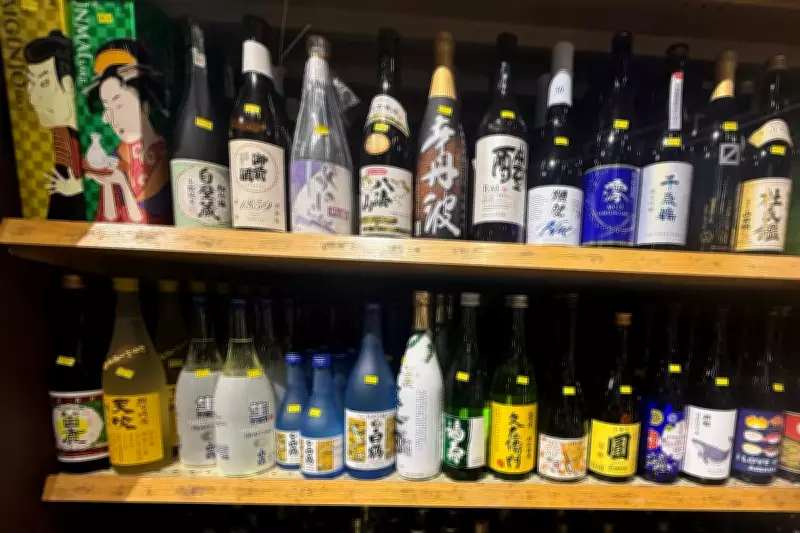
If your experience with sake is limited to that warm cup at your local sushi spot, you're missing out on a vast and nuanced world. This traditional Japanese beverage offers layers of flavor comparable to fine wines, making it a versatile companion for various dishes.
The Fundamentals of Sake Brewing
Sake is brewed, not distilled, using rice, yeast, water, and koji—a mold that converts rice starch into sugar. Premium varieties may include a touch of distilled alcohol, while purists adhere to the core ingredients. Yoko Kumano, co-owner of Umami Mart in Oakland, California, emphasizes the incredible flavor variations achievable within these constraints. She, along with Kayoko Akabori, authored the new book "Everyday Sake," highlighting sake's role as a food-pairing beverage meant to be enjoyed with more than just sushi.
Key Sake Categories and Characteristics
Each batch of sake, known as nihonshu in Japan, is crafted under the guidance of a toji, or master brewer. The process begins with rice polishing, or seimaibuai, where the outer layers of rice grains are milled away. More polishing results in lighter, refined sakes, while less polishing yields earthier flavors. The two main families are Junmai and Honjozo, with grades like Ginjo and Daiginjo indicating the level of rice polishing.

- Junmai: Pure rice sake with no added alcohol, offering earthy, umami-rich flavors ideal for grilled meats or hearty dishes. Often served warmed.
- Honjozo: Includes a touch of distilled alcohol for a smoother texture, versatile with tempura, sushi, or teriyaki.
- Ginjo: Delicate and floral, made from rice polished to 60%, best served chilled with light dishes like sashimi or salads.
- Daiginjo: Highly polished for aromatic, delicate profiles, considered premium with higher prices.
- Nigori: Coarsely filtered for a milky, sweet texture, perfect with spicy foods.
- Sparkling Sake: Gaining popularity for festive occasions, available in natural or artificial carbonation.
- Nama: Unpasteurized sake, growing in appeal for its fresh, young character, requiring refrigeration.
Creative Variations and Serving Tips
Hirohisa Hayashi, chef-owner and sake sommelier at Hirohisa in New York City, experiments with plum sake infusions using ingredients like shiso and brown sugar. Serving temperatures vary: classic dry Junmai benefits from slight warming, while delicate Daiginjo should be chilled to preserve aromas. Sake is best consumed within a year of bottling, stored in cool, dark places. Once opened, refrigerate and enjoy within a week, with unpasteurized nama requiring consumption within days.
Traditional ochoko cups or wine glasses work well for serving. Embrace Japanese customs by pouring for others and saying "Kanpai" before sipping, enhancing the social experience.