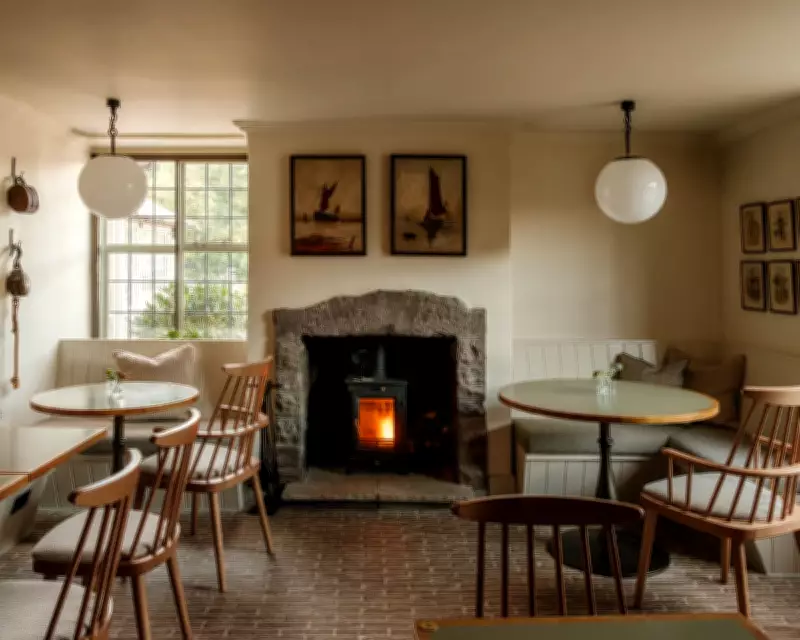
Tintern's Royal George Inn Reopens, Offering a Base for Romantic Welsh Borders Exploration
Standing within the atmospheric ruins of Tintern Abbey, one can immediately sense the profound magic that has elevated this small Monmouthshire village on the banks of the River Wye to an outsized cultural significance. This iconic site has inspired countless artists and poets over the centuries, from JMW Turner and Gainsborough to Samuel Palmer, with literary giants like Wordsworth and Tennyson penning verses moved by its beauty. During a recent visit, as I sheltered from a sudden cloudburst in the abbey's nave, the words of Allen Ginsberg's Welsh Visitation echoed in my mind, particularly his imagery of "clouds passing through skeleton arches." Witnessing the ruins through sheets of rain as the sun set was a truly special and evocative experience.
The Historical Legacy of Tintern as a Tourist Destination
Tintern's fame as a destination traces back to the late 18th century, when travel writer William Gilpin included it in his 1782 book, Observations on the River Wye. Gilpin's writings on the "picturesque"—landscapes celebrated for their rugged beauty that inspired art—proved immensely popular, leading to the creation of the Wye Tour. This tour is recognized as one of the first package trips in British travel history, designed to meet growing tourist demand. Since then, Tintern has attracted literary travellers, hillwalkers, and canoeists alike, all drawn to its stunning geography and aesthetic appeal.
The Royal George: A Renovated Coaching Inn with Local Flair
In a refreshing departure from leaning solely on the area's national reputation, the recently reopened Royal George hotel in Tintern takes local history and craft as its core inspiration. This beautifully renovated coaching inn, which underwent a two-year refurbishment, has a building on its site dating to the 16th century, originally the home of the village forge owner. The renovation has revived the name Royal George, a moniker long used by locals, derived from the warship HMS Royal George that sank in 1782 in one of Britain's worst maritime disasters. Timbers salvaged from the wreck were purportedly used in the inn's construction when it opened in 1829.

Designer Camilla Kelly, who led the refurbishment, discovered a ship's bell bearing the insignia of HRH George VI, now used to call last orders in the hotel bar. The interior features exposed paving flags and beams from the 1600s, along with charmingly wonky walls and low ceiling beams. Unlike many hotels embracing a rustic, shabby chic vibe, the Royal George is smart and meticulously put together. Its 20 bedrooms and dining rooms showcase vintage furniture, but it is the beautiful blankets and textiles from Pembrokeshire's Melin Tregwynt mill, metalwork art by local blacksmith Mark Lumley, and ornaments from nearby Baileys Home that truly define the space.
Culinary Excellence and Community Spirit
The Royal George has quickly become a hub for both visitors and locals, evident in its bustling dining areas. The nautically named Upper Deck restaurant attracts families from the surrounding area for celebration meals, while the Lower Deck pub dining room is filled with locals, including young parents sharing plates of chips with their children. The food quality is exceptional, with most dishes sourcing ingredients from local farmers, growers, and foragers. Vegetarian options are excellent and imaginative; during my stay, Sunday lunch featured a magnificent brie parcel special, inspired by a local cheesemaker's sample. Welsh wines, such as the sparkling Velfrey and White Castle pinot noir, are highly recommended.
Chef Gareth Hope appreciates the hotel's role as a community pub, exemplified by an incident where a regular retrieved a lost parcel containing £450 worth of caviar during a storm. Despite its fine offerings, the Royal George remains accessible, with mains in the Lower Deck starting at £14 and garden room nights from £135.

Exploring Tintern's Industrial and Natural Heritage
To walk off the delightful food, the 5-mile Angidy trail offers a fascinating journey through Tintern's often overlooked industrial history. Before becoming a tourist attraction, the village was renowned for its iron wire, with the wireworks in 1600 being the largest industrial enterprise in Wales. Remains of furnaces, waterwheels, and workers' cottages dot the Angidy valley amidst hazel trees and larches. The ruins of St Mary's church, built in the 13th century on a site dating to the 5th century, feature impressive tombstones of old industrialists, including one shaped like a wine cooler, with great views down to the Wye.
For a different excursion, Baileys Home in Bridstow is a must-visit. This massive homeware store, owned by designers Mark and Sally Bailey, fills barns, cowsheds, stables, and lofts with antiques, vintage pieces, and handmade furniture. Visitors can browse smithy-made coat hooks and organic sheep's milk soap for under a tenner or try bespoke sofas.
This corner of Wales is truly special, famed as a muse for artists but rich with other stories told by its landscape. Whether exploring historic ruins or enjoying local hospitality, Tintern offers a unique and immersive experience.