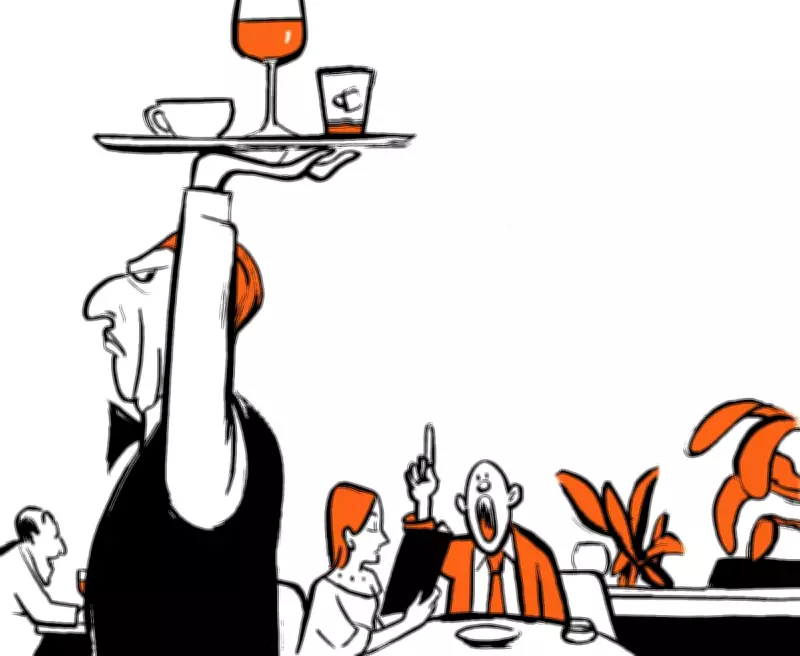
Restaurant Etiquette: A Server's Guide to Harmonious Dining
In today's challenging climate for the hospitality sector, with soaring costs and economic pressures, restaurant staff are facing unprecedented hurdles. The last thing they need is added stress from customers. Here, an anonymous server offers ten crucial rules to ensure a smooth and enjoyable meal for everyone involved.
1. Honour Your Reservations
Before the pandemic, many restaurants hesitated to enforce cancellation policies, but times have changed. Just as you would lose money on a missed concert ticket, restaurants now often charge for no-shows or late cancellations. Even with a fee, establishments still lose out on potential drink sales and service charges, making your commitment vital.
2. Punctuality Is Paramount
Restaurants operate on tight schedules, much like any other business. If you book a table for 7pm and arrive thirty minutes late, do not be surprised if staff need to prepare the table for the next booking at 9pm. Timeliness ensures a seamless experience for all diners.

3. Dispose of Gum Properly
It might seem basic, but servers frequently encounter used chewing gum stuck under tables, even in high-end venues. Instead of leaving it for staff to clean, simply ask for a tissue or use a bin. Treat the restaurant with the same respect you would your own home.
4. Communicate Issues Promptly
Mistakes can happen in any setting, and hospitality workers are eager to resolve them. If something is amiss with your meal, speak up politely rather than staying silent. This not only helps fix the issue but might even lead to a complimentary gesture from the staff.
5. Avoid Delayed Online Complaints
Do not withhold feedback during your visit only to post a negative review online months later, especially if it concerns a dish no longer on the menu. Addressing concerns in real-time allows for immediate resolution and prevents unfair criticism.
6. Clarify Dietary Requirements
When booking, be clear about any dietary needs, as restaurants have limited resources to accommodate last-minute requests. Just as you would not expect a vegetarian restaurant to serve steak, do not assume chefs can instantly create a custom meal for complex restrictions.
7. Own Your Food Choices
If you order a steak well-done, accept that it may be tougher than other preparations. Blaming the chef for a result that aligns with your request is unfair and undermines the kitchen's efforts.
8. Let Staff Handle Clearing
While well-intentioned, stacking plates or handing them to servers can disrupt the efficient clearing process. Trust the staff to manage this task, as they are trained to do it quickly and without fuss.
9. Simplify Bill Settling
Arguing over minor details like olive counts or bread slices at the table can be awkward and time-consuming. For larger groups, consider splitting the bill evenly and sorting differences privately later to avoid embarrassment and delays.
10. Always Be Respectful
Rudeness never yields positive outcomes. Treating staff with disrespect or raising your voice is unlikely to result in better service. A polite approach fosters a cooperative atmosphere and enhances your dining experience.
By following these guidelines, diners can support the hospitality industry during tough times and ensure a pleasant outing for all. Remember, kindness goes a long way in creating memorable meals.