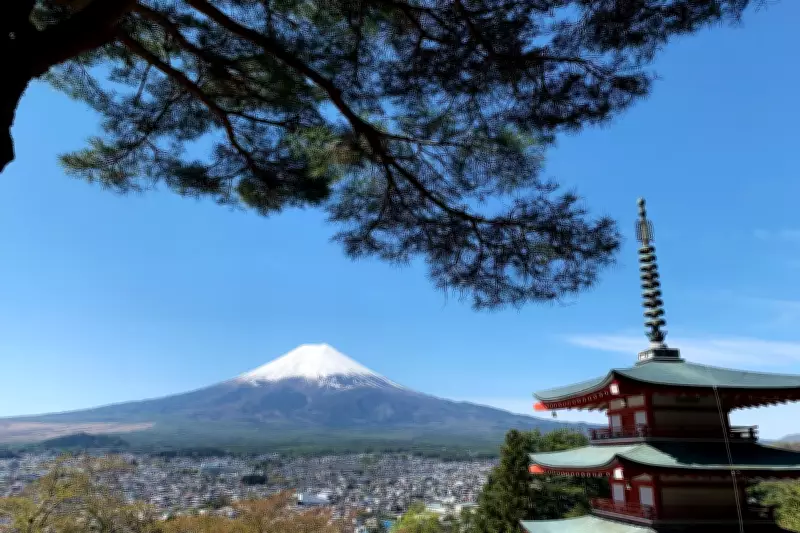
Mount Fuji Cherry Blossom Festival Axed Amid Overtourism Concerns
Authorities in the Japanese city of Fujiyoshida have made the decisive move to cancel a prominent spring cherry blossom festival at a renowned Mount Fuji viewpoint. This action follows escalating resident complaints about severe overcrowding and disruptive tourist conduct that has marred the local community's quality of life.
Festival Scrapped After a Decade
The Fujiyoshida city government in Yamanashi prefecture officially announced on February 3, 2026, that it will not proceed with the annual Arakurayama Sengen Park Cherry Blossom Festival this year. This event, which has been organised for approximately ten years, traditionally attracts around 200,000 visitors eager to photograph the iconic Mount Fuji framed by vibrant cherry blossoms and a historic five-storey pagoda.
The surge in tourist numbers has been dramatic in recent years, driven by a weaker yen and the viral popularity of scenic locations on social media platforms. During peak blossom season, nearly 10,000 individuals now pass through the area daily—a volume that the small community asserts it can no longer manage effectively or comfortably.

Resident Complaints and Safety Issues
City representatives highlighted a growing catalogue of resident grievances that precipitated the cancellation. Among the most serious issues cited are sanitation problems, including visitors entering private homes to use toilets and relieving themselves in residential yards. Confrontations have arisen when locals challenge such behaviour, according to reports from Kyodo News.
Safety concerns have also emerged prominently, particularly from families residing nearby. Parents have reported instances of children being pushed aside on school routes as large crowds congregate along narrow pavements to access popular photography spots. The Arakurayama Sengen Park contains numerous cherry trees, including several around the Arakura Fuji Sengen Shrine at the entrance, creating a picturesque frame for tourists.
Mayor Expresses Deep Concern
Fujiyoshida Mayor Shigeru Horiuchi articulated that the decision reflects mounting anxiety among residents about balancing tourism with community life. "I feel a deep sense of crisis as I witness the reality that, behind this beautiful scenery, the quiet lives of our citizens are being threatened," he stated. This sentiment underscores the broader challenges Japan faces as it welcomes record numbers of tourists, with arrivals surpassing 40 million for the first time last year.
Japan's enthusiasm for tourism has not been without significant hurdles, notably concerns about overtourism. In various popular destinations, such as Kyoto, residents have pointed to worsening traffic congestion, extended queues, and general disruption to daily routines. Inappropriate visitor behaviour or cultural misunderstandings have frequently caused friction with local communities.
Preparations for Ongoing Visitor Influx
Although the festival will not occur as an official event and will not be promoted under its usual name on tourism platforms, officials anticipate that visitor numbers will remain substantial when cherry blossoms bloom in April. Consequently, preparations are underway to manage the expected influx. Authorities plan to enhance security measures and establish temporary car parks and portable toilet facilities to alleviate pressure on neighbourhoods.
The Arakurayama Sengen Park remains one of the most favoured viewing points for Mount Fuji, especially during spring. Long queues, sometimes enduring up to three hours, typically form as travellers wait to capture images of the mountain behind the pagoda and pink blossoms. This cancellation marks a significant response to the pervasive issue of overtourism, highlighting the delicate balance between promoting tourism and preserving local community wellbeing.