

The Middle Eastern tourism sector, which has experienced remarkable growth over the past three decades, now confronts a severe crisis as regional violence threatens to erase billions in revenue. With tourist mega-cities flourishing across the region and substantial investments transforming previously undeveloped areas into international destinations, business had been thriving. However, the current political instability and escalating conflicts have placed this success story in jeopardy, with the industry projected to suffer losses reaching £35 billion.
Immediate Impact on Travel and Tourism
British tourists and other international visitors traveling to or within the Middle East are experiencing significant disruptions to their holiday plans. Numerous flights to major regional hubs have been cancelled or suspended indefinitely, leaving the future of the travel industry uncertain. This turmoil follows recent military actions, including US and Israeli strikes on Iran and subsequent missile attacks from Iran across the region, creating an atmosphere of instability that directly affects tourism.
Economic Forecasts Reveal Devastating Losses
A comprehensive report from Tourism Economics highlights the potentially catastrophic impact of ongoing conflicts on Middle Eastern tourism. According to Helen McDermott, Director of Global Forecasting, and senior economist Jessie Smith, inbound arrivals to the region could decline by 11 to 27 percent year-on-year in 2026. This represents a dramatic reversal from previous projections that anticipated 13 percent growth.

In absolute terms, this decline translates to between 23 and 38 million fewer international visitors compared to baseline forecasts. The financial impact is equally staggering, with visitor spending expected to decrease by $34 billion to $56 billion, equivalent to £25 billion to £42 billion. These figures account for lingering negative sentiment that may persist beyond the immediate conflict period.
GCC Countries Bear the Brunt
The Gulf Cooperation Council nations, including Bahrain, Kuwait, Oman, Qatar, Saudi Arabia, and the United Arab Emirates, are expected to experience the most significant losses. These countries have traditionally relied on perceptions of safety and stability to attract tourists, making them particularly vulnerable to current disruptions. As the largest tourism destinations in the region, their economic exposure is substantial.
Global Ripple Effects
The impact extends beyond the Middle East itself, as the region serves as a crucial global transit hub. Middle Eastern airports account for approximately 14 percent of all international transit activity worldwide. Consequently, travel disruptions in this area will inevitably affect routes that typically pass through these hubs, including major connections between Europe and the Asia-Pacific region.
Major Development Projects at Risk
Several ambitious tourism and development projects across the Middle East now face uncertain futures amid the ongoing conflict. These multi-billion dollar initiatives represent significant investments in the region's tourism infrastructure.
Qatar's Visionary Developments
Gewan Island, an extension of The Pearl Island archipelago off Doha's coast, exemplifies luxury development with comprehensive living spaces, entertainment venues, and retail outlets. Designed as an integrated community featuring beachfront amenities, a promenade, golf club, hotels, and the world's largest outdoor air-conditioned mall, this project aims to create urbane, high-quality lifestyles.
Lusail City, Qatar's futuristic smart city spanning 38 square kilometers, includes four exclusive islands and 19 multi-purpose districts. With 22 hotels already attracting visitors and plans for capacity to accommodate up to 450,000 people, including 80,000 tourists, this development represents a significant investment in Qatar's tourism future.
United Arab Emirates' Golden Ambitions
Dubai recently announced plans to construct the world's first street made of real gold as part of its new Dubai Gold District in Deira. This project aims to strengthen the city's reputation as the 'City of Gold' and attract tourists, shoppers, and industry professionals with over 1,000 retailers across various luxury sectors.

Saudi Arabia's Megaprojects
NEOM, Crown Prince Mohammad bin Salman's visionary $500 billion project, has already transformed part of Saudi Arabia's Red Sea coast into a renewable energy-powered mini-city. Designed as a sustainable living model prioritizing people and nature, NEOM's crown jewel, The Line, was pitched as a futuristic city stretching hundreds of miles.
Diriyah, blending ancient history with modernity near Riyadh, features the UNESCO World Heritage Site At-Turaif alongside a $62.2 billion development focused on sustainability, culture, and heritage preservation. With plans for 38 hotels and capacity for over 100,000 residents, this project represents a significant tourism investment.
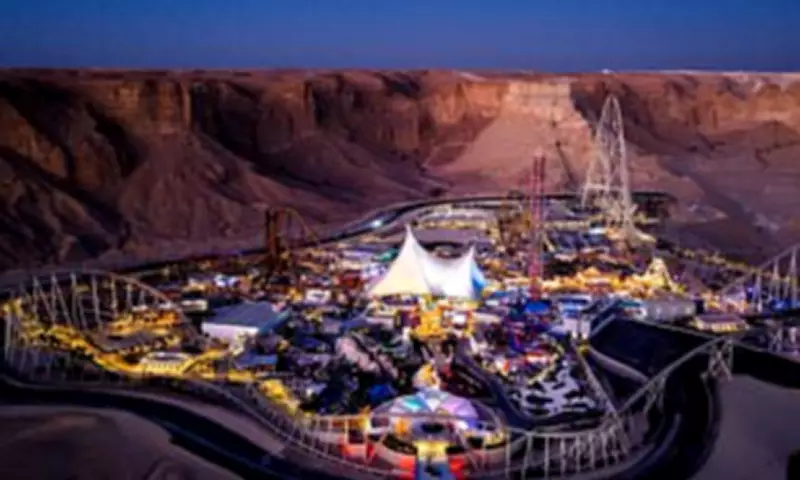
Qiddiya, touted as the 'Orlando of the Middle East,' recently opened its Aquarabia Waterpark and Six Flags Qiddiya City, featuring world-record-breaking coasters. Before the outbreak of violence, this entertainment megaproject was projected to contribute SAR 135 billion annually to Saudi Arabia's GDP.
Public Sentiment and Industry Outlook
Understandably, many potential travelers express concerns about visiting the region amid ongoing conflicts. Social media platforms reveal divided opinions, with some users questioning why anyone would travel to these countries while others express worry about existing travel plans. However, industry professionals remain cautiously optimistic about long-term recovery.
Ibrahim Khaled, head of marketing for the Middle East Travel Alliance, told euronews: 'We aren't worried about the long-term impact on the company or tourism in the region. The Middle East has always been an incredibly resilient market, and demand always bounces back fast once stability returns.'
Some travelers echo this optimism, with one Reddit user expressing hope that their upcoming trip to Malaysia via Qatar Airways would proceed as planned, stating: 'I've been so looking forward to this trip since last year, and I really need a vacation. I'm hoping that things calm down soon!'
The Daily Mail has contacted representatives from NEOM, Qiddiya, Gewan Island, Lusail City, Dubai Gold District, and Diriyah for comment regarding how current events might affect their development timelines and tourism projections.





