The tranquil, cobblestoned town of Tapalpa, nestled in the mountains of Jalisco state, has long thrived on tourism, sustaining businesses like Maria Dolores Aguirre's family corner store. However, this peace was shattered when Mexican army forces killed the nation's most powerful drug lord just kilometres from her home, amidst a flurry of gunshots and overhead helicopters.
Economic Collateral Damage Feared
Now, 50-year-old Aguirre fears the recent bloodshed will devastate her livelihood and irrevocably alter communities like hers. This concern resonates across the western Mexican state, from its Pacific beaches to Guadalajara, which is set to host 2026 FIFA World Cup matches. "It's going to affect us. It's collateral damage," Aguirre said. "The government is going to have to have a lot of security. The entire world just saw what happened and, of course, people are going to think twice about coming."
Violent Aftermath of Cartel Leader's Death
The ongoing clashes between the Jalisco New Generation Cartel and security forces across several states only intensify fears among residents like Aguirre of further escalating violence. More than 70 people died in the attempt to capture Nemesio Oseguera Cervantes and its aftermath, authorities confirmed. Known as "El Mencho," he was the notorious leader of the Jalisco New Generation Cartel, one of the fastest-growing criminal networks in Mexico.

This cartel is known for trafficking fentanyl, methamphetamine and cocaine to the United States and staging brazen attacks against Mexican government officials. Oseguera Cervantes died after a shootout with the Mexican military on Sunday. Mexican Defense Secretary Gen. Ricardo Trevilla said that authorities had tracked one of his romantic partners to his hideout in Tapalpa.
International Involvement and Pressure
The White House confirmed that the U.S. provided intelligence support to the operation to capture the cartel leader and applauded Mexico's army for taking down a man who was one of the most wanted criminals in both countries. The U.S. State Department had offered a reward of up to $15 million for information leading to the arrest of "El Mencho."
The death of Oseguera Cervantes came as Mexico's government has stepped up its offensive against cartels in an effort to meet demands by U.S. President Donald Trump to crack down on criminal groups. Trump had threatened to impose more tariffs or take unilateral military action if the country does not show results.
Tourist Destinations Hit Hard
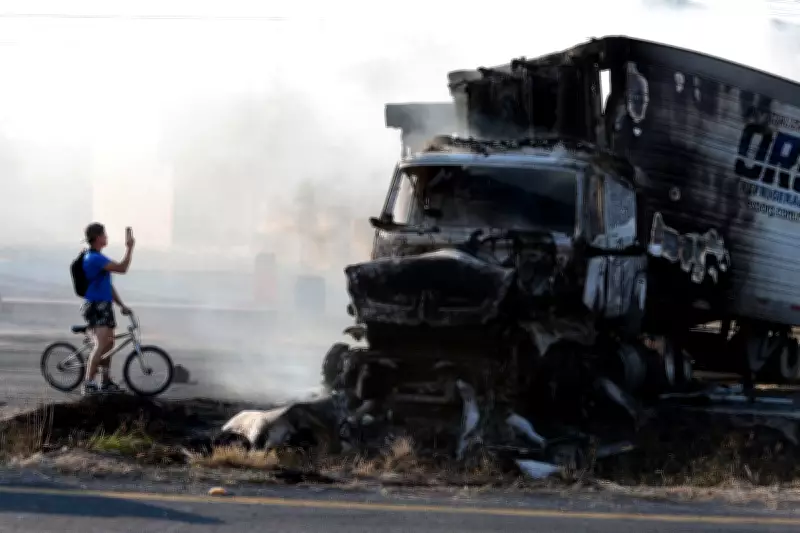
In the aftermath, a sense of unease simmered in tourist towns. The Pacific Ocean resort city of Puerto Vallarta was particularly hard hit by cartel reprisals, frightening tourists. Steve Perkins, 57, was visiting Puerto Vallarta with his wife Gayle and some friends. They were on their hotel room's terrace when explosions and black smoke started appearing around the city Sunday morning.
Their return to Broken Arrow, Oklahoma, was delayed when their flight was canceled Monday and they were rebooked for March 1. Perkins and his wife have been taking annual trips to Puerto Vallarta since 2012 and have always felt safe, until now. He said they don't plan on returning to Mexico. "There's a lot of Americans trapped here," Perkins said.
Uncertain Future for Local Communities
Back in Tapalpa, Aguirre worked next to her son from the small neighborhood shop her family has owned for 50 years. The 15-year-old's classes were canceled due to the violence. Aguirre said it was unclear who exactly was in control of the area surrounding her: the military or the cartel.
The other question on her mind was if this was just a one-off, or if there was more violence to come. "We don't know if these people (cartel leaders) are permanently here or not," she said. "If they really did kill this leader, it could be that they fight between each other to win control or see who will lead it."
Mexico hoped the death of one of the world's biggest fentanyl traffickers would ease international pressure, but many people remain anxious as they wait to see the powerful cartel's reaction. With the 2026 FIFA World Cup approaching, the stakes for Mexico's tourism industry and international reputation have never been higher.