Gravel Biking in Andalucía: A Bumpy Yet Beautiful Adventure Through Spain's Sierra Nevada
Embarking on a van journey with an Englishman, five Irishmen, and a Scotsman, I knew the potential for looking foolish was high. My goal for the next few days was simple: avoid being the one who ends up in a comical predicament. We were headed from bustling Málaga to the remote reaches of Andalucía for a four-day gravel biking expedition, a pursuit entirely new to me and one I doubted my abilities to master.
My cycling background was limited to a flat five-mile commute through London or leisurely road touring holidays. I had always preferred the smooth glide of asphalt, harboring a slight snobbery towards rougher terrains. Why endure bumps when you could effortlessly coast? This mindset was about to be thoroughly tested.
Facing the Challenge with Veteran Cyclists
My apprehension grew as I realized my companions were all seasoned gravel and mountain bikers who had trained specifically for this tour. Comprising medical professionals—doctors, dentists, and physiotherapists—their presence was reassuring for potential mishaps but also highlighted their superior fitness levels. It was clear I had bitten off more than I could chew.
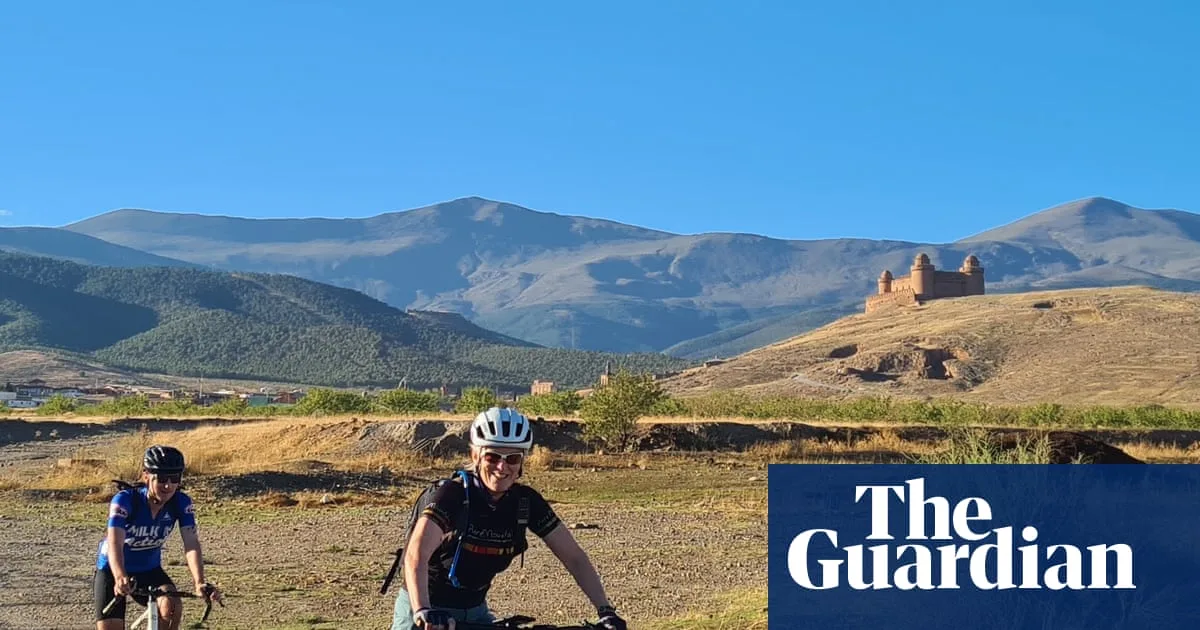
We arrived at the northern edge of the Sierra Nevada mountain range, where our guides, Tim and Jenny, welcomed us with beers and detailed booklets outlining the journey ahead. The key statistics were daunting: approximately 60 kilometers per day with a staggering 1,400 meters of climbing and descending.
The borrowed bike was much lighter than my own, featuring wider tires and drop handlebars splayed out for enhanced control. Its lower gearing promised to make even the steepest slopes surmountable, albeit with considerable effort.
Navigating Spectacular Scenery and Technical Descents
Our first morning saw us riding north towards the Sierra de Baza national park on what my companions dubbed "champagne gravel"—a firm, flat road scattered with small stones. We breezed across arid terrain, passing the derelict film set used for Flagstone in Once Upon a Time in the West. This dramatic, empty landscape has attracted countless location scouts, featuring in Sergio Leone's Dollars trilogy, Dr. Zhivago, and a KLF music video.
As we began climbing through almond groves into the mountains, the group spread out, with Tim leading the fastest riders and Jenny on an ebike shepherding stragglers like myself. We regrouped at unsigned turns to refuel with muesli bars and dried fruit.
Before my first gravel descent, Jenny and others offered crucial advice: hands on the drops, weight back, heels down, hips balanced, maintain distance, use both brakes simultaneously, avoid distracting views, and remember to breathe. The descent was technically demanding, but I managed it intact, though unfamiliar muscles ached by the time we reached our hotel.
Embracing the Solitude and Challenges of Remote Andalucía
This part of Spain was remarkably empty; the only cars we encountered were during a coffee stop in Gor, a village featured in the brutal 800km Badlands gravel race. Unlike the crowded Costa del Sol beach towns facing anti-tourist protests, this quiet region eagerly welcomes visitors, as evidenced by signs proclaiming, "¡Macrogranjas no, turismo sí!" ("Megafarms no, tourism yes!").
Day two was even quieter, with no cars sighted all day. It began with a 1,000-meter climb up El Chullo, the tallest peak in Almería. We wound along a single-track path past rock piles and wild boar diggings before stopping near the summit for ham and cheese bocadillos. The descent was easier, allowing me to relax and observe other riders' techniques, though intense concentration still caused me to forget to breathe at times.
Day three featured another 1,000-meter climb, with glorious views unfolding as we navigated switchbacks past the treeline to a plateau. I started to feel at ease, thinking I could do this daily. However, the descent on bone-shuddering roads—so bumpy they drew complaints from professionals in the 2023 World Gravel Series—left my wrists aching. A doctor companion attributed it to tension, but I wasn't alone in feeling relieved upon hitting asphalt back to the hotel.
Confronting Dramatic Finale and a Change of Perspective
Our final day proved the most dramatic. We rode along dry ramblas, or riverbeds, navigating jungle-like foliage and muddy stretches akin to riding through porridge. Menacing clouds broke, drenching us as we ground uphill through mud. Suddenly, water appeared upstream, turning from a trickle to a gush that spread across the riverbed, transforming the porridge-like mud into soup.
My wheels spun in sand at points, but I had learned to keep pedaling and use balance to stay upright. Tim marshaled us via radio, guiding everyone uphill to safety from the rising waters. A soggy climb later, Jenny greeted us at our final hotel with a van full of cava. As we drank, an Irish doctor joked, "Was this what you signed up for?"
Looking down at my drenched shoes, filthy bike, and sore hands, with mud caked on my face, I realized I had ended up looking silly—but it didn't matter. My snobbery about gravel biking had been foolish. I had ridden routes impossible for a road bike and experienced adventures unattainable on asphalt. The literal bumps in the road were integral to the appeal. Why glide along when the bumps are so exhilarating?
The five-night Sierra Nevada gravel bike tour was provided by Pure Mountains, offering self-guided tours from £870 per person and guided tours from £1,090 per person.