Edinburgh has become the first UK city to introduce a city-wide tourist tax, with the levy coming into force in July, coinciding with the busy summer period. The tax, set at five per cent of the original booking cost, applies to overnight accommodation including hotels, self-catering apartments, B&Bs, hostels, vehicles, boats, and campsites. It is limited to five nights' accommodation, so longer stays incur no additional charge beyond that, and it is charged at the same rate throughout the year.
The levy was enabled by the Visitor Levy (Scotland) Act, which came into law in September 2024, allowing councils in Scotland to tax overnight accommodation. Edinburgh is the first to launch the scheme, with Glasgow and Aberdeen set to follow. Glasgow will also have a five per cent levy, while Aberdeen's will be higher at seven per cent.
How the levy works in Edinburgh
In Edinburgh, the tax is collected by accommodation providers, who then pay it to the local authority. Edinburgh City Council projects the levy will raise up to £50 million a year, which it says will be used to invest in sustaining, supporting, and enhancing Edinburgh's worldwide appeal as a place to visit and live. The levy was introduced following consultation with local businesses and communities and will be reviewed every three years.
Wales will impose its own visitor levy in 2027. In England, the Overnight Visitor Levy Bill was announced in November 2025, with a consultation on its design. In May, the levy was included in the King's Speech. Responses to the consultation are yet to be announced by the Ministry of Housing, Communities and Local Government, so details of what the tourism tax would look like in England are yet to be confirmed.
Manchester's existing scheme and concerns
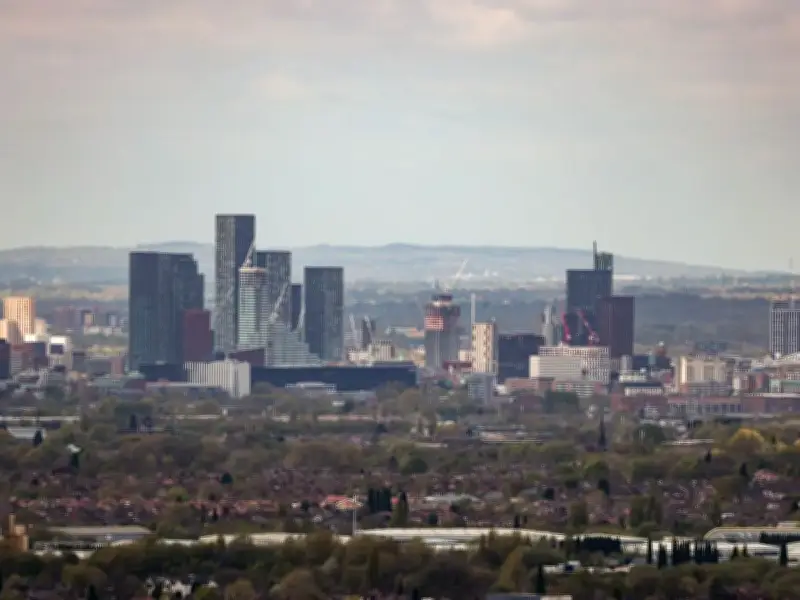
Manchester and Liverpool already have City Visitor Charges in place, operated by their respective Accommodation Business Improvement Districts (ABIDs). These are run by boards, not local authorities, and funds go towards events, conferences, marketing, and campaigns, as well as initiatives that improve the visitor experience. In Manchester, the current levy is £1 per room, per night, plus VAT where applicable. Since its launch in April 2023, the City Visitor Charge has raised £10.5 million, which has been ringfenced and reinvested into supporting Manchester's visitor economy.
Manchester Accommodation BID has stated it is too soon to say whether a tourism tax would replace the existing City Visitor Charge, given that further details are yet to be announced. It has confirmed it will continue to deliver its current plans and engage with relevant partners as further details become available.
Matt Townley, chair of Manchester Hoteliers Association, described the ABID as a "success" but warned that a tourism tax has "raised significant concerns for the hospitality industry." He called for collaboration with the city-region's mayor to ensure hotels are consulted directly. A spokesperson for the Greater Manchester Combined Authority said: "We support the principle of giving Mayors the power to introduce an overnight visitor levy. It would help generate extra funds to put back into the visitor economy, invest in local services and infrastructure, and help Greater Manchester to remain a top tourist destination."
Potential impact on visitors and businesses
There are concerns across the tourism industry that a tourism tax could force visitors to change their plans, resulting in fewer overnight stays and a financial impact on businesses. Modelling by Oxford Economics, commissioned by UKHospitality, suggested that while many visitors will absorb the tax, some international visitors may choose alternative destinations or forgo travel entirely, while some domestic travellers could opt for day trips or stay with friends and family instead.
Eddy Levitan, Executive Director of The Tourism Alliance, warned that even a small levy can have a huge impact for some families. He said: "We hear the argument that people say they went to Paris, for example, and they paid the visitor tax which was about the price of a cup of coffee, per day. But for some hard-working families who are going on holiday in the UK, they may be paying as little as £50 a night, and so even a small tax soon mounts up."
Daniel Gidney, CEO of Lancashire County Cricket Club, highlighted the wider impact of more costly hotel stays. He said: "For over 160 years people have been coming to watch cricket here at Lancashire Cricket Club. We see the value visitors bring, not just to the ground and the Hilton Garden Inn hotel on site, but to the whole city. But the proposed tax will affect us directly, with new research from UKHospitality revealing that one in three people in the North West would be less likely to attend a sporting event if the cost of an overnight stay in England increased." He added that a trickle-down effect could be fewer job opportunities, as businesses face "serious blow and risks undermining investment."