The 'destination dupe' trend, where travellers swap famous spots for cheaper lookalikes, is facing backlash from travel experts who say it's insulting and harmful to local communities.
Experts criticise the trend
Patrick Hill, head of Paramount Cruises, told Metro: 'Selling somewhere as the budget version of somewhere famous really gets under my skin. It's a bit insulting, for a start: these are real places with their own character, not knock-off handbags.'
He added that the trend doesn't solve overtourism but simply moves it: 'All it does is take the overtourism that's crushing one town, and export it to another, which was doing perfectly well being itself.'
Albania's example
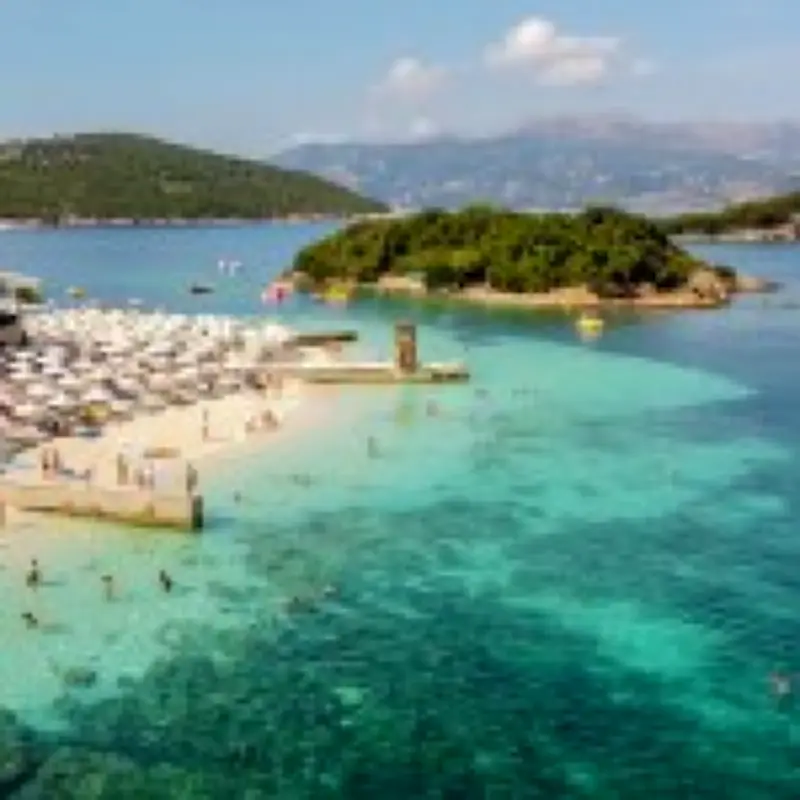
Alice Murphy, Metro's Travel Editor, visited Albania's Riviera in 2024, often called the 'Maldives of Europe'. She saw the coast of Sarandë covered in multi-storey hotels, empty beer bottles, cigarette butts, and sunbeds on every inch of sand.
Tourism in Albania surged from over three million overseas visitors in 2015 to more than 11.7 million by 2024, making it Europe's fastest-growing holiday destination, according to the World Tourism Forum Institute. However, the country lags in managing natural resources and lacks EU construction regulations, according to the Travel and Tourism Development Index.
Why dupes appeal
Despite the criticisms, dupes remain attractive due to rising travel costs. A YouGov poll found the cost of living is the most common factor shaping summer travel plans, with 32% citing accommodation costs and 29% mentioning airfares. A Post Office report noted that 85% of British families overspent their holiday budget by an average of £380.
A Skyscanner study revealed 93% of travellers would consider a dupe destination, with 64% saying savings influenced their decision. Melanie Fish, chief trend tracker for Expedia, compared dupes to cheaper versions of luxury brands.
Need for genuine travel
Patrick Hill argues: 'You should go somewhere because you genuinely want to be there, not because it's been dressed up as a cheaper stand-in for somewhere else.'
Mats Ulenius, a Stockholm-based travel advisor, agreed: 'The term reduces real places with their own culture and history to cheap substitutes. Calling a destination a 'dupe' is like introducing a musician as the budget version of someone more famous. It completely overlooks what makes that destination unique.'