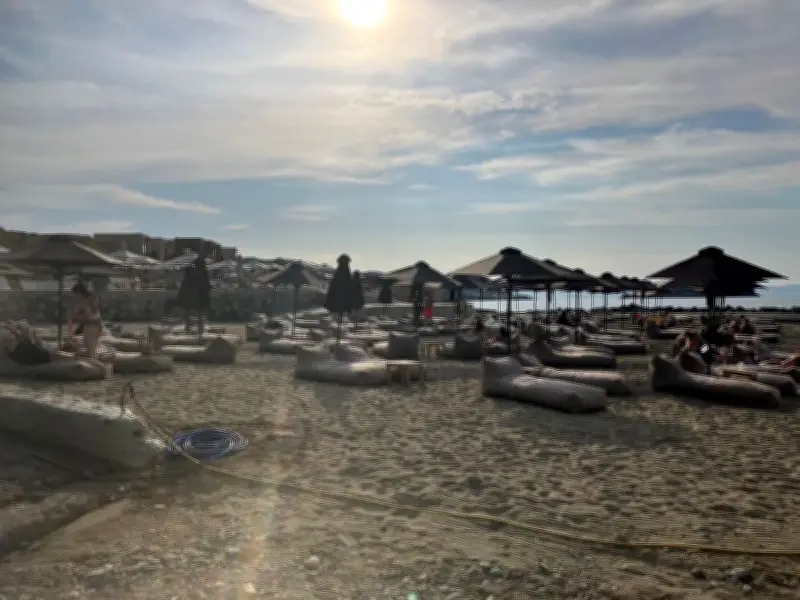
Crete, the largest Greek island, welcomed approximately 6.6 million visitors last year, with British tourists averaging 8.1-night stays. But beyond the popular beaches, the island offers a wealth of cultural and historical attractions that make it a perfect destination for those seeking both sun and heritage.
Beaches and Mountains in One Spectacle
Goats bleat and their bells clang as they amble through the steep hillside shrubs, pausing to graze on wild thyme beneath a cloudless Cretan sky. The Aegean Sea sparkles as waves kiss the rugged coastline. Beaches are within a stone's throw to the north, while to the south, grassland and hills lead to a trove of history. Crete, defined by rugged mountains, fertile valleys, and endless olive groves, offers this fascinating beauty — coasts and mountains in one spectacle.
I made my home near Mochlos, a fishing village in the northeast of the island, which meant I could spend mornings splashing in the sea before exploring history and nature inland in the afternoons. The hills are dotted with historical attractions, including Toplou Monastery. Founded in the 14th century, it is still functioning. The monks there make wine and treated me to a splendid tasting session.
A Rich History Spanning Millennia
Crete's history stretches back far beyond classical Greece. Archaeological evidence suggests people have lived here for more than 130,000 years, making it one of Europe's oldest inhabited regions. Tourism arrived in earnest during the late 1960s and early 1970s, when artists such as Joni Mitchell and Cat Stevens helped put the island on the map. While modern tourism has transformed parts of the coastline, much of Crete retains its timeless character.
One afternoon, I travelled west along the north coast, hopped on a little boat, and spent a short while on Spinalonga. This island, maintained as a fortress for centuries under Venetian rule, became a leper colony in the early 20th century. It has been uninhabited since 1962 and is now the second-most visited tourist site in Crete.
Authentic Cretan Life
Head to Archanes, a town with roots stretching back some 5,000 years to the Minoan civilisation. The cobbled streets there are particularly beguiling. There is not a tourist in sight and barely an English voice to be heard. It feels as though little has changed for centuries. Elderly locals in padded jackets sip beer, smoke cigarettes, and play backgammon as the afternoon drifts by.
Venture into most rural towns and villages, and you'll see colorful houses draped in bougainvillea. It is stunning to discover such genuine slices of Cretan life in a region that attracts so many visitors. This agricultural heritage is one of Crete's greatest treasures — and tourism helps protect and sustain it. This glorious island has indeed struck a chord between the modern sun-kissed holiday trap and the quaint traditional charm.
Book It
Rooms at Ella Rocrita start from approximately £184 per night, depending on season.