

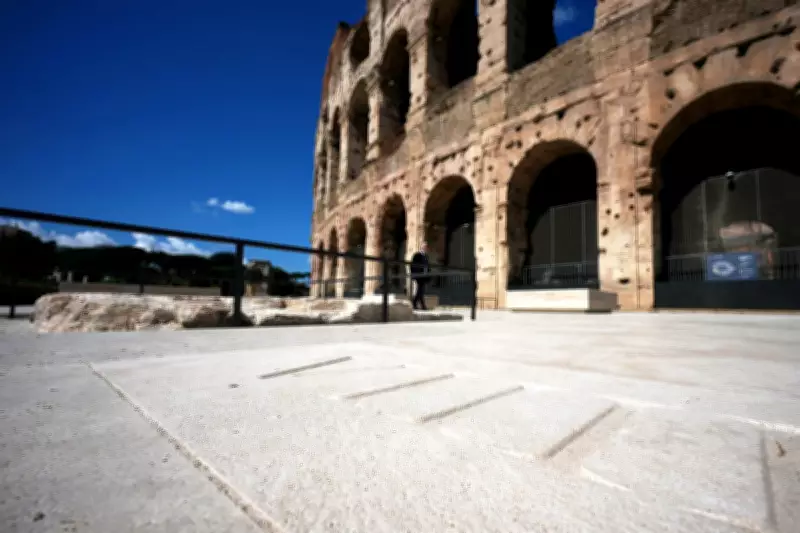
Rome's iconic Colosseum has unveiled a revitalised appearance following an extensive and meticulous restoration project, breathing new life into the ancient structure. The work focused on recreating parts of the 2,000-year-old columns using the same travertine marble that was originally sourced by the ancient Romans, ensuring historical authenticity and durability.
Enhancing Visitor Experience
The restoration concentrated on a semicircular piazza located outside the main arena, with the primary aim of providing visitors with a clearer perception of the original proportions of the grand arcades and vaults that once dominated the site. This strategic approach allows tourists to better appreciate the architectural scale and grandeur of the Colosseum as it stood in antiquity.
Innovative Design Elements
Tourists can now sit on large travertine marble slabs positioned where columns once stood, offering a unique interactive experience. These slabs feature reproductions of the Roman numerals that historically indicated seat sections, a thoughtful design by renowned Italian architect Stefano Boeri. This integration of modern design with ancient elements enhances educational value and engagement for visitors.

The restoration team meticulously sourced the new travertine slabs from the same quarries that were utilised by the ancient Romans, maintaining a direct link to the original construction materials. The Mariotti Carlo stonecutting firm, a family business with four generations of expertise, was instrumental in executing the precise stonework required for this project.
Funding and Broader Context
The restoration of the Colosseum's perimeter was financed through compensatory funds from Rome's multi-billion euro metro project, which recently inaugurated two new subway stations. This funding mechanism highlights how urban development initiatives can support cultural heritage preservation, ensuring that Italy's most popular tourist attraction remains a vibrant and well-maintained landmark for future generations.






