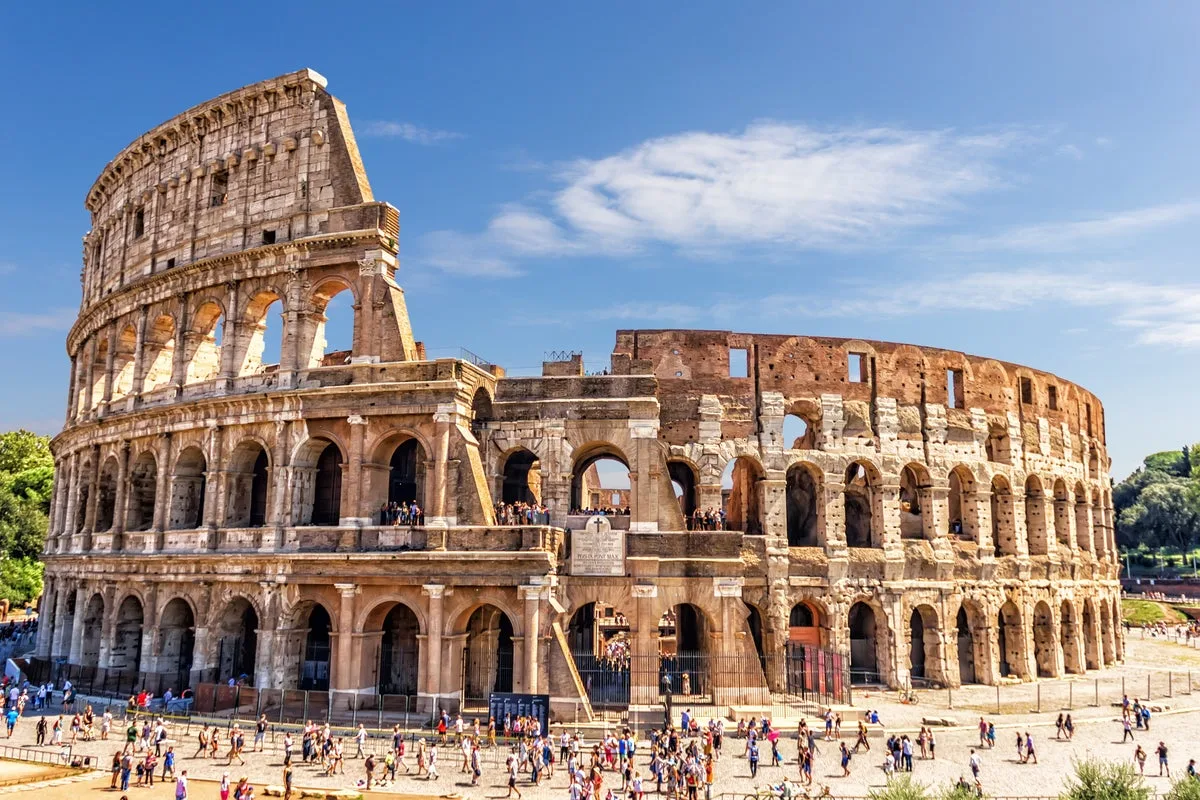
Rome's newly appointed Colosseum director has moved swiftly to dispel rumours that the ancient landmark is set to host electronic dance music parties. Simone Quilici, who recently took the helm of the Archaeological Park of the Colosseum, found himself setting the record straight after an interview about bringing concerts to the nearly 2,000-year-old amphitheatre was widely misinterpreted.
Social media quickly amplified the initial report, with numerous accounts proclaiming 'massive raves' were imminent, often accompanied by AI-generated images depicting vibrant light shows emanating from the historic arena. This swift online reaction led to complaints from both archaeologists and ordinary Romans, who expressed dismay at the perceived desecration of their cherished cultural heritage.
Concerts must respect the Colosseum as a 'sacred space,' Quilici said, as it is integral to Roman identity and has become imbued with religious significance. 'The music must be carefully controlled. I mentioned certain artists — not by accident — who haven’t been “rock” for some time, who play calm music and attract a calm audience,' he told The Associated Press. Concerts could be acoustic or jazz, he said, offering Sting as an example.
The amphitheatre could host poetry readings, dance performances and theatre productions once the existing small platform is expanded. Also in the plans: historical reenactments of gladiatorial battles rooted in academic research. Quilici stressed such presentations would be the antithesis of the shabbily costumed centurions who besiege the Colosseum by night, posing for photos with tourists and then harassing them for payment.
The Colosseum's first concerts and performances will take place in no less than two years, he added. Only a handful of concerts have taken place within the Colosseum over the years, including Ray Charles in 2002, Paul McCartney in 2003 and Andrea Bocelli in 2009. All were billed as special events and audience numbers were severely restricted.
Quilici also addressed tourism management, noting that the Colosseum already operates at maximum capacity and he aims to encourage visitors to explore other sites within the park, such as the Roman Forum and Palatine Hill. 'Unfortunately, as everyone knows, tourism is a commercial activity — an industry that does not always connect with culture,' he said.