

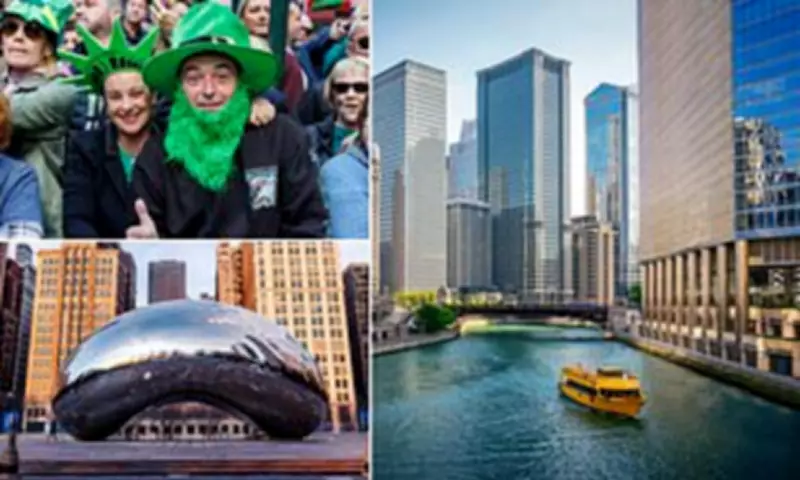
Chicago, often called the Windy City, is implementing a new tourist fee that has sparked significant debate. The City Council voted unanimously to establish a Tourism Improvement District, which will raise hotel room taxes within that district to 19 percent. This rate is now one of the highest in the United States, surpassing even Las Vegas and far exceeding cities like Los Angeles, where hotel taxes hover around 14 percent.
Details of the New Tourism Fee
Under this plan, a new 1.5 percent surcharge will be added to hotel stays at larger properties. The revenue generated from this surcharge will be directed into tourism marketing efforts managed by Choose Chicago, the city's official tourism organization. For example, on a $300 hotel room, visitors could now pay nearly $60 in taxes and fees alone, significantly increasing the cost of a stay.
Rationale from Choose Chicago
Choose Chicago CEO Kristen Reynolds defended the move, stating that competitors are aware Chicago is underfunded and use this to their advantage to lure away long-standing clients. The agency plans to utilize the new funds to enhance global advertising campaigns, expand influencer marketing initiatives, and create a hotel grant program aimed at improving visitor experiences.

Criticism and Online Backlash
However, the strategy has faced sharp criticism. Wealth advisor Ted Jenkin told the Daily Mail that Chicago is essentially raising the price of admission while hoping more people show up, which he believes will only make the city less competitive. The plan has also been widely mocked on social media platforms like Reddit, where users questioned the logic of making it more expensive to visit in order to attract more tourists.
One Reddit user sarcastically commented, 'Let’s make it more expensive to visit Chicago so we can attract more visitors,' while another added, 'It’s already brutal to get a hotel here - how is this supposed to help tourism?' A third joked, 'When has anything this city does ever been logical?' Others warned that the increased costs could drive away major events and conventions, which are a key revenue source for the city.
Impact on Chicago Residents and Tourists
Chicago natives already contend with various fees, including congestion zone charges, a retail liquor tax, and increased local tolls. The new hotel tax will apply to properties across 14 wards, encompassing areas like Downtown, McCormick Place, the Illinois Medical District, and Hyde Park. It is set to remain in effect for at least five years.
Currently, Chicago imposes a combined hotel tax rate of approximately 17.5 percent when city, county, and state levies are included. The additional surcharge pushes this total closer to 19 percent, marking a substantial hike for visitors.
Mayor's Defense and City's Tourism Appeal
Mayor Brandon Johnson argued that the increased hotel assessment is necessary to combat 'the negative narratives that surround our city.' Despite the controversy, Chicago remains a major tourist destination, known for events like St. Patrick's Day, when the Chicago River is dyed bright green, and Lollapalooza, a large music festival held annually in Grant Park that attracts hundreds of thousands of attendees.
Additionally, crime rates in Chicago have been dropping since the start of 2025, according to the Mayor's Office, which may help improve the city's image. In a related political note, despite opposition from the mayor, former President Donald Trump deployed an estimated 500 National Guard troops to Chicago under his Title 10 authority, though they began quietly withdrawing in February.
The new tourism fee represents a bold move by Chicago to boost its marketing efforts, but it remains to be seen whether the financial benefits will outweigh the potential deterrent to visitors seeking more affordable destinations.






