Japan Cancels Famous Cherry Blossom Festival Amid Overtourism Crisis
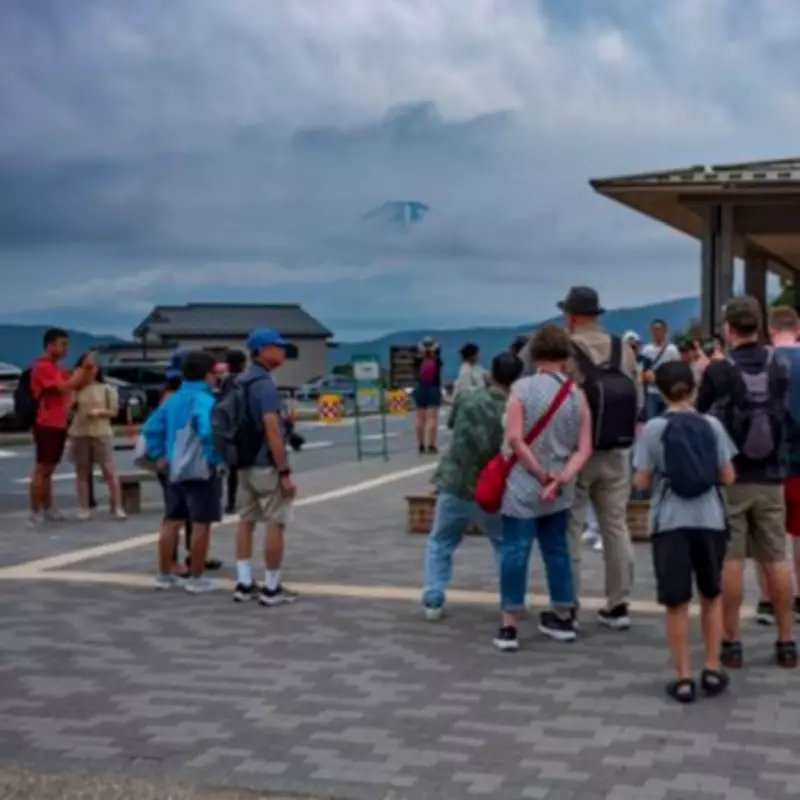
Japanese authorities have made the drastic decision to permanently cancel a world-renowned cherry blossom festival following years of escalating problems caused by badly behaved tourists. The annual event at Arakurayama Sengen Park near Mount Fuji, which traditionally attracted up to 200,000 visitors each spring, has been scrapped due to persistent antisocial behaviour that has disrupted local communities.
Tourist Numbers Surge as Yen Weakens
Japan has experienced a significant tourism boom in recent years, with visitor numbers reaching unprecedented levels. The country's traditionally expensive destination status has become more accessible thanks to the weakened yen, making it increasingly attractive to international travellers. This year, Japan is projected to reach record visitor numbers, prompting authorities to implement measures to address excessive tourism levels that are straining local infrastructure and communities.
Festival History and Cancellation Details
The celebrated cherry blossom festival at Arakurayama Sengen Park had been running for approximately a decade, featuring stage performances, food stalls, and the opportunity for visitors to admire breathtaking views of Mount Fuji framed by cherry blossoms with the iconic five-storey Chureito Pagoda in the foreground. Officials in Fujiyoshida city confirmed the cancellation this week, marking the end of an event that had become increasingly problematic for local residents.

"For Fujiyoshida City, Mount Fuji is not just a tourist attraction; it is our very way of life," Mayor Shigeru Horiuchi told local media. "However, I feel a strong sense of crisis about the reality that, behind the beautiful scenery, the quiet lives and dignity of our residents are being threatened."
Escalating Problems and Safety Concerns
Local reports detail numerous incidents that led to the festival's cancellation. Problems included severe traffic chaos, significant disturbance to residents, and widespread littering throughout the area. More alarmingly, there have been multiple instances of trespassing, with tourists entering private homes uninvited to use bathrooms and even defecating in private gardens.
Parents have raised serious safety concerns following reports of schoolchildren being pushed off pavements by throngs of tourists. The observation deck at Arakurayama Sengen Park, which offers spectacular views of Mount Fuji, has become a particular tourist magnet, creating overcrowding that authorities can no longer manage effectively during peak seasons.
Continued Tourist Influx Expected
Despite the festival's cancellation, authorities anticipate that a surge of tourists will still visit the site during cherry blossom season. The observation deck is expected to be extremely crowded, with wait times potentially reaching three hours for the perfect view. In preparation, officials plan to install portable toilets and deploy additional security guards to manage the anticipated crowds.
Japan's Broader Overtourism Challenges
This cancellation represents just one example of Japan's ongoing struggle with overtourism. Last year, the neighbouring town of Fujikawaguchiko grew so exasperated with tourist behaviour that they erected a 20-metre-long and 2.5-metre-high fence to obscure a viral photo spot. This drastic measure followed repeated incidents of trespassing, littering, and tourists disregarding traffic signals.
The situation highlights the delicate balance between welcoming international visitors and protecting local communities and environments. As Japan continues to attract record numbers of tourists, authorities face increasing pressure to implement sustainable tourism policies that preserve both cultural heritage and resident quality of life.