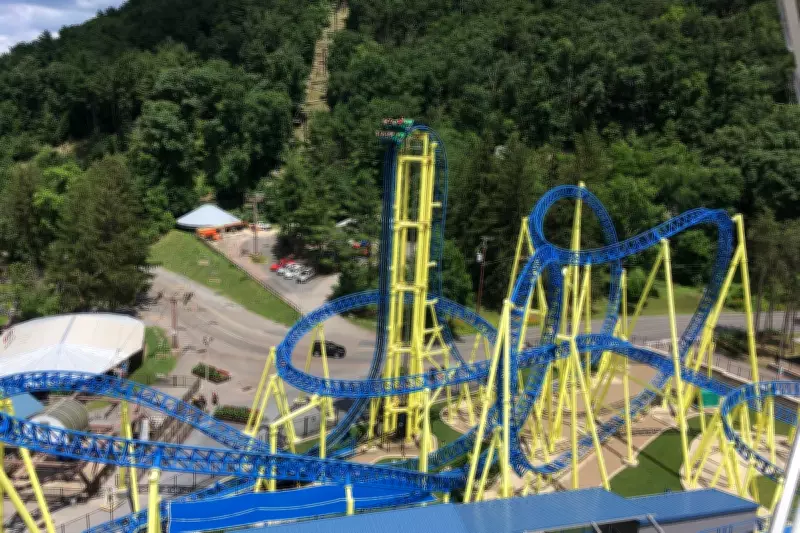
Knoebels Amusement Resort in Elysburg, Pennsylvania, is celebrating its 100th anniversary this summer, maintaining a beloved tradition of free admission that owner Brian Knoebel has vowed to continue with a 'pinky swear.' The park, which opened on July 4, 1926, by Knoebel's ancestors, started with a swimming pool, a restaurant, and a rented steam-powered carousel. Today, it has expanded to include 60 rides, numerous food stands, and other attractions, all while preserving its vintage, throwback atmosphere.
A Century of Family Fun
Brian Knoebel, the current owner, emphasized that the free admission policy is integral to the park's identity. 'It's who we are,' he said, noting that it allows families on limited incomes to enjoy a day out without financial strain. The tradition was sealed with a 'pinky swear' between Knoebel and his father, ensuring the policy would endure.
Top Honors and Anniversary Celebrations
Knoebels has consistently been ranked among the best amusement parks in the United States. Recently, TripAdvisor named it the top amusement park on its 'Best of the Best' list, beating out larger competitors like Disney. To mark its centennial, the park will host special anniversary events from July 3 to 5, featuring live music, fireworks, and other festivities.

The park's success lies in its unique blend of nostalgia and affordability. Unlike many modern theme parks that charge high admission fees, Knoebels offers pay-per-ride options, making it accessible to all. This approach has earned it a loyal following and a reputation as a hidden gem.
A Look Back at the Park's History
Founded by Henry Knoebel, the park began as a modest swimming hole and picnic area. Over the decades, it grew organically, adding rides and attractions while maintaining its family-oriented ethos. The park's classic wooden roller coasters, like the Phoenix and the Twister, are fan favorites, drawing thrill-seekers from across the country.
As Knoebels enters its second century, the 'pinky swear' remains a symbol of its commitment to tradition and community. 'We're not just a park; we're a part of people's lives,' Knoebel said. 'And that's something worth preserving.'