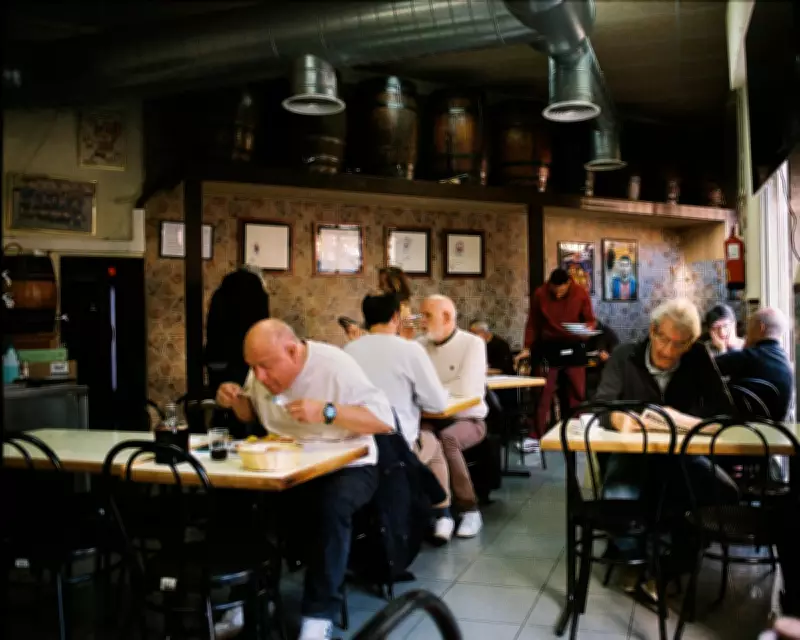
Catalan Fork Breakfast Movement Fights Bland Food and Overtourism in Barcelona
In Barcelona's Eixample neighbourhood, the restaurant Gelida stands as a beacon of tradition amidst a sea of generic cafes. As the city braces for another tourist season, tensions rise over soaring rents and a blandified urban centre, with residents voicing protests against overtourism. Among the slogans, "Stop brunch!" has emerged as a surprising rallying cry, targeting the homogenised brunch spots that symbolise the erosion of local culture.
The Problem with Brunch in Gentrifying Cities
Brunch, coined in 1895, offers delights like eggs royale but has become emblematic of a deeper issue. In European cities like Barcelona, generic brunch cafes with identical menus and decor have proliferated, displacing local businesses and catering heavily to tourists. These establishments charge higher prices to offset rising costs, contributing to a loss of community identity. While anti-tourism protests, including water pistol incidents, have sparked debate, the underlying frustration is clear: residents feel marginalised in their own city.
Reviving the Esmorzar de Forquilla: A Rustic Catalan Tradition
In response, journalist Albert Molins initiated a proactive movement in autumn 2020 by creating a Google Maps listing to revive the esmorzar de forquilla, or "fork breakfast." This hearty meal, rooted in 19th-century rural Catalonia, was originally a labourers' fuel for afternoon work. Today, it features traditional dishes served in no-frills establishments for under €15, including:

- Trinxat: A pan-fried hash of potatoes and cabbage with crispy pancetta.
- Fricandó: Stewed veal and mushrooms.
- Bacallà amb samfaina: Fried cod on stewed vegetables.
- Botifarra: Lightly spiced Catalan sausage.
- Offal specialties: Such as callos (tripe stew), peus de porc (pigs' feet), and cap i pota (stew of veal head and feet).
Molins emphasises that the esmorzar isn't inherently superior to brunch but represents local history and community. While vegetarian options are limited, the movement fosters inclusivity, allowing visitors to participate in authentic Catalan dining.
Community-Driven Success with EsmorzApp
The Google Maps listing gained significant traction, evolving into the functional EsmorzApp, which connects enthusiasts and expands the community. Gerard Llopart, owner of Gelida, notes a growing popularity among younger diners alongside traditional clientele. This initiative mirrors other grassroots efforts, like Lisbon's rice muffin project, showcasing how local culture can be celebrated collaboratively without solving overtourism alone.
Molins hopes to see more tourists embrace these traditional spots, encouraging visitors to download EsmorzApp and order dishes like cap i pota. By supporting this movement, diners contribute to preserving Barcelona's culinary heritage against the tide of homogenisation.