

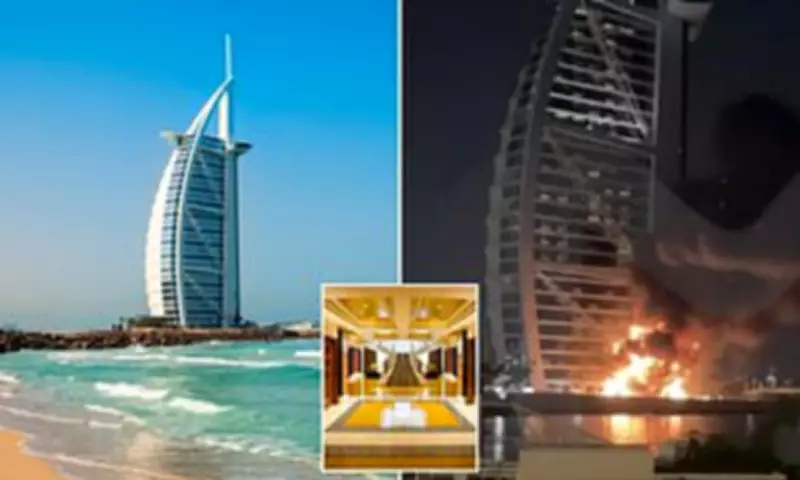
One of Dubai's most renowned luxury hotels, the seven-star Burj Al Arab, is set to close temporarily for extensive refurbishments, with the renovation programme expected to last 18 months. The hotel has announced a 'carefully phased' overhaul that will focus on upgrading all 198 suites while maintaining key elements of its iconic design, including the vast aquarium, marble-clad interiors, and mosaiced washrooms.
Renovation Details and Impact
The refurbishment will also encompass public areas and the spa, as part of a comprehensive upgrade aimed at enhancing guest experiences. In a statement, the hotel emphasised that this programme results from long-term planning, following over 25 years of continuous operation, and it is not linked to the ongoing conflict between US-Israeli forces and Iran. Guests affected by the closure are being offered alternative stays within the Jumeirah group's properties in the area.
Tourism Slump Amid Regional Tensions
The closure coincides with a significant decline in tourism across the Middle East, driven by rising tensions and security concerns. Reports indicate that Iranian drone strikes in the Gulf region, including incidents in Dubai, have led to an exodus of foreign expatriates and tourists, further exacerbating the downturn.

Since the conflict escalated, economic impacts have been severe, with more than £88 billion wiped from the market value on the Dubai and Abu Dhabi stock exchanges. Additionally, over 18,400 flights have been cancelled, disrupting travel and aviation sectors. The Burj Al Arab itself suffered damage from debris following the interception of an Iranian drone attack in March, highlighting the broader security challenges affecting the region.
Broader Economic and Aviation Effects
The ongoing conflict and disruptions in the Strait of Hormuz continue to negatively impact aviation and tourism, with rising jet fuel costs adding further pressure. Emirates airline has recently operated a reduced flight schedule to more than 100 destinations, reflecting the fragile ceasefire and persistent instability. This situation underscores the interconnected challenges facing luxury hospitality and travel industries in Dubai amid geopolitical uncertainties.






