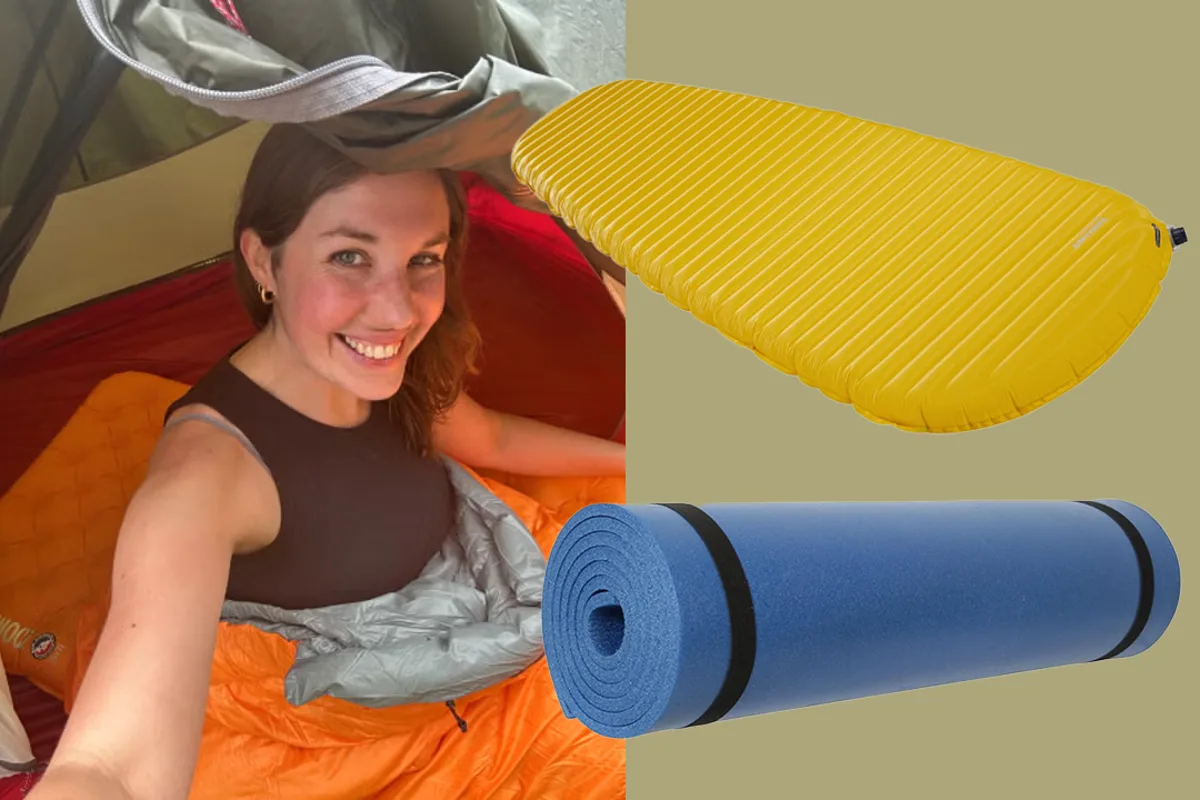
For keen campers and backpackers, a good camping mat is essential for a comfortable night's sleep. Unlike airbeds, which are bulkier and prone to heat loss, camping mats are lightweight and compact, often weighing just 400–500g. Many self-inflate and use foam or synthetic insulation, packing down small enough to fit in a daypack while providing effective ground insulation.
A key factor when choosing a mat is the R-value, which measures thermal resistance. Higher R-values mean better insulation: 1.0–2.0 is suitable for summer, while 4.0–5.0+ is better for winter or high-altitude use. Higher-rated mats tend to be thicker and bulkier. Storage is also worth considering; some mats should be kept inflated between uses for longevity, though most can be rolled and stored in a stuff sack when space is limited.
One standout is the Quest camping mat, which inflates quickly and is 15cm thick, offering exceptional comfort. With a width of 76cm, it is one of the widest single mats available. Its R-value of 5.6 makes it suitable for all weather conditions, thanks to its flat foam construction with horizontal drill holes. However, it is one of the heaviest mats reviewed and can be difficult to deflate, though it comes with a roomy stuff sack.
Decathlon's Simond mattress is a lightweight and comfortable option that inflates fast using a pump sack integrated into the pouch. It features vertical air columns that are close together, preventing the feeling of falling between them, and silicon patches to stop sleeping bags slipping. While it is noisy compared to foam-filled mats, it is very light to carry and kept its volume even when jumped on. An XL version is available, measuring 195cm long and weighing 800g.
The Big Agnes sleeping pad also impressed testers. It comes with a pump sack for inflation and has larger outer air chambers that cradle the sleeper in the middle. The quilted sleep surface and internal I-Beam construction reduce bounce and add stability. At 64cm wide, it offers ample space to spread out.