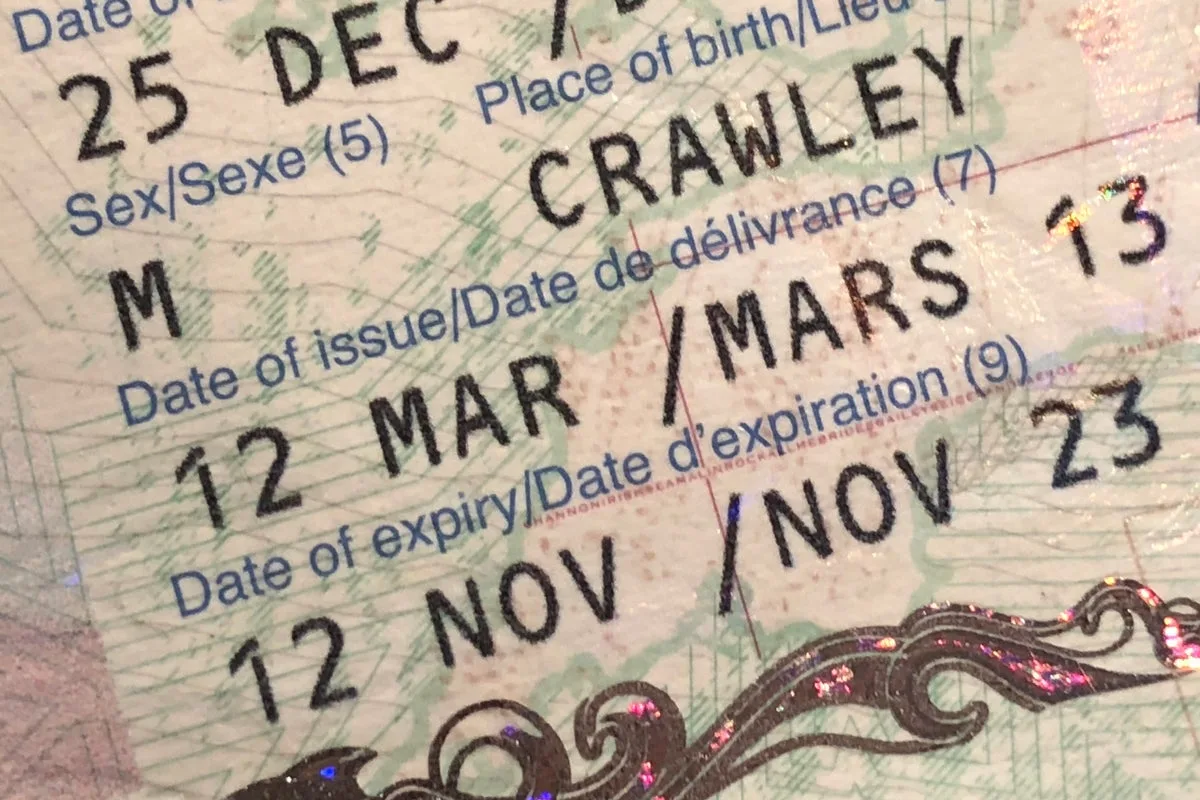
An estimated 32 million British passport holders could potentially fall foul of post-Brexit rules on validity for travel to the European Union, it has emerged. Under the Brexit deal, the UK negotiated for British travellers to become 'third-country nationals', placing them in the same category as citizens from countries such as Venezuela and Samoa.
European Union nations do not allow such travellers to enter on a passport issued over 10 years ago. The same applies in the wider Schengen Area, including Iceland, Norway and Switzerland. UK visitors to Ireland are not subject to the restriction. The Passport Office’s pre-Brexit policy was to issue British travel documents valid for up to 10 years and nine months, taking account of unspent time on a previous passport. That posed no problem while the UK was a member of the EU, but since the Brexit agreement took effect, hundreds of thousands of people are believed to have lost their holidays due to inadvertently breaching the rules.
Airport sources contacted by The Independent indicate that, on a typical day, 200 outbound travellers are prevented from departing because of EU rules on issue and expiry dates. The rejection typically happens at check-in or the departure gate. The BBC cited the case of Nathan Barnes, a 31-year-old paramedic from Norwich, who was refused boarding on a flight to France. He was on his way to Limoges with his fiancée to visit family. Despite checking in online, he was stopped at the departure gate. 'My passport had been issued more than 10 years previously,' he said. 'They were very matter of fact about it, they just said sorry you can’t board, off you pop.'
The Schengen Area also requires UK travellers to have at least three months remaining before the expiry date on their passport on the day of departure from the European zone. The Independent has asked all major airlines if they could help identify potential problems earlier by requesting passport data and assessing validity. Most say the issue is too complex, but Tui is working on a solution. If a passenger is correctly denied boarding, travel insurance will not pay out to cover consequent losses.
The EU and wider Schengen Area are the only locations with conditions about the issue date of your passport. Many other countries, such as the US, Canada and Australia, allow British passport holders to travel up to and including the expiry date of your passport – though some nations demand at least six months remaining. There is no problem travelling to Europe with a passport issued for over 10 years, so long as it is under 10 years old on the date of departure to the EU and will have three months remaining on the date of return.