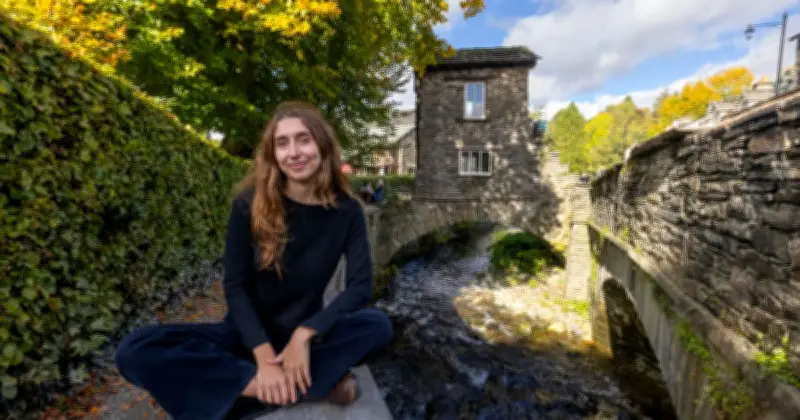
Ambleside, a scenic settlement on the northern tip of Lake Windermere, has won over residents who say it is so safe that "nobody has to lock their doors." The town combines dramatic mountain views, independent businesses, and a rich heritage that stretches back to the Romans.
A Town of Character and Community
The patchwork community in Ambleside draws people from all over the country, attracted by its beauty and friendliness. Ringed by high ground and fells and intersected by Stock Ghyll, which drops through a 70-foot waterfall, the town is a paradise for walkers. Slate-grey stone buildings line the streets, housing independent shops, cosy cafes, and traditional pubs with roaring fires.
Its retail scene includes The Apple Pie, a family-run bakery founded in 1975, and Zeffirellis, an independent four-screen cinema that has become a local institution. Bridge House, a 17th-century cottage perched over Stock Ghyll beck, is one of the most photographed buildings in the Lakes. History enthusiasts can explore the remains of a 1st-century Roman fort on the waterfront.
Residents Share Their Love for Ambleside
Dean Jennings, 57, who grew up in Norfolk and moved to Ambleside's conservation area after visiting every year in his youth, described the town as "a beautiful place." He said: "A lot of people have moved here after visiting a few times, because they found it so lovely. It means everybody who's here really wants to be, and makes it a bit fairytale-like. It's a very safe area too. I moved here 11 years ago, and the only crime I've been aware of is a bicycle being stolen once."
Richard Fielding, 37, the second generation of his family running The Apple Pie bakery, said the town has "more going on than you'd think." He explained: "There's obviously the amazing landscape and great walking routes. But what makes it unique is that it's so well connected to the southern fells, and we've got a Cumbria University campus, a four-screen cinema and a jazz bar. They're not things you'd typically find in a lakeland town."
James Terry, 63, who moved from Portsmouth six years ago, is leading an effort to keep the town's historic market alive, offering local produce, clothing, toys, and jewellery from the King Street car park each Wednesday. He said: "There's a lovely peace and quiet here, and a great sense of community. Even with all the visitors, you walk down the street and people say hello, the locals all know your name. It's a great place to live, the kind of place where nobody has to lock their doors."
History and Practicalities
Ambleside's story begins with the Romans, who built a fort called Galava at the head of Windermere around AD 79. The town received a market charter in 1650, establishing it as a trading centre for nearby hill farms. Its name is thought to come from Old Norse, roughly translating to "river sandbank." The arrival of the railway in Windermere in 1847 transformed Ambleside from a working market town into a thriving tourist destination, a role it has maintained ever since.
While Ambleside has no train station and relies on Windermere, around five miles away, regular buses offer a scenic open-top route between the towns, with the 555 and 599 running every 15 to 30 minutes. Direct trains run from Windermere to Manchester, Preston, Lancaster, and Oxenholme, with connections to London and Glasgow. The town has three main car parks: Lake Road at Waterhead, Miller Bridge, and Rydal Road.
House prices in Ambleside average £450,895 over the last year, according to Rightmove, with most sales being detached properties at around £715,833. The figures mark a 16% drop from 2025 and a 13% decrease from the 2022 peak of £517,176.
Top Three Must-Dos
Visitors can walk to Stockghyll Force, a 70-foot waterfall just a 20-minute walk from the town centre through a woodland trail. They can take a boat out on Windermere, with steamers departing regularly from Waterhead for trips to Bowness and Lakeside. Or they can visit the Ambleside Roman Fort, a free-entry National Trust site in Borrans Park, which offers a glimpse at the low stone foundations of buildings including the fort's granaries and headquarters block.