

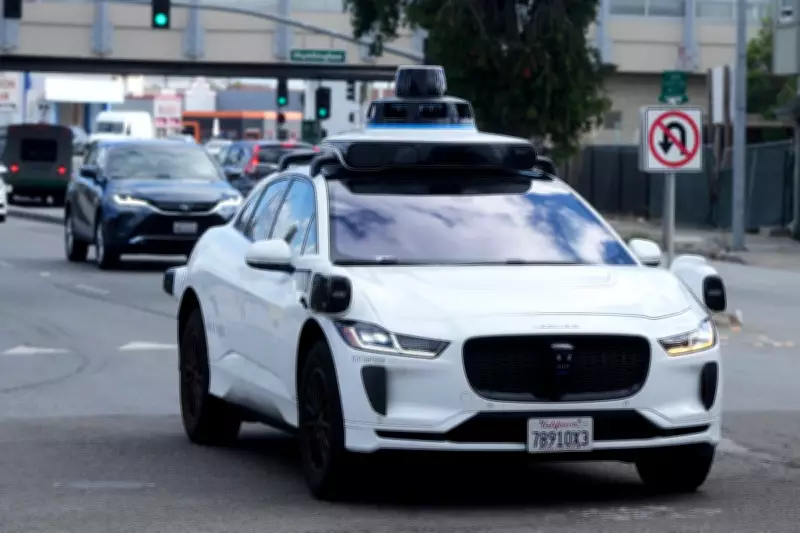
Waymo Initiates Self-Driving Taxi Trials on London Streets
Waymo, the autonomous vehicle company originally spun off from Google, has officially commenced testing of its self-driving taxis in London. This marks a significant expansion of its operations into a major European city, with the vehicles currently operating under human supervision in the driver's seat.
Phased Approach to Full Autonomy
The testing phase involves Waymo taxis navigating London's complex urban environment, but with a safety driver present to monitor performance. Dmitri Dolgov, co-chief executive of Waymo, emphasized that the core artificial intelligence driving system is performing robustly, and this initial testing is a critical step toward deploying fully autonomous vehicles without human oversight, which is planned for later this year.
Waymo asserts that its technology has demonstrated superior safety compared to human drivers, based on data accumulated over more than 100 million miles of autonomous driving in other regions. The company highlights that this initiative is designed to enhance road safety, reduce accidents, and improve traffic efficiency in London.

Government and Expert Endorsement
The rollout has received backing from the UK government and various road safety experts, who view it as a positive development for several reasons:
- Improved accessibility for residents and visitors, particularly those with mobility challenges.
- Potential to attract significant investment into the UK's technology and transport sectors.
- Alignment with national road safety objectives, aiming to decrease fatalities and injuries through advanced automation.
Experts believe that successful integration of self-driving taxis could set a precedent for other cities, fostering innovation in public transportation and smart city infrastructure.
Future Prospects and Challenges
As Waymo progresses toward rider-only operations, the company will continue to refine its AI systems to handle London's unique driving conditions, such as narrow streets, heavy pedestrian traffic, and variable weather. The testing phase is expected to gather valuable data to ensure reliability and public trust before full-scale deployment.
This move positions London at the forefront of autonomous vehicle adoption in Europe, with potential long-term benefits for urban mobility and environmental sustainability through optimized routing and reduced congestion.






