TikTok Fuels US Demand for Chinese EVs Despite Tariffs Blocking Access
TikTok Fuels US Demand for Chinese EVs Despite Tariffs

TikTok Fuels US Demand for Chinese EVs Despite Tariffs Blocking Access

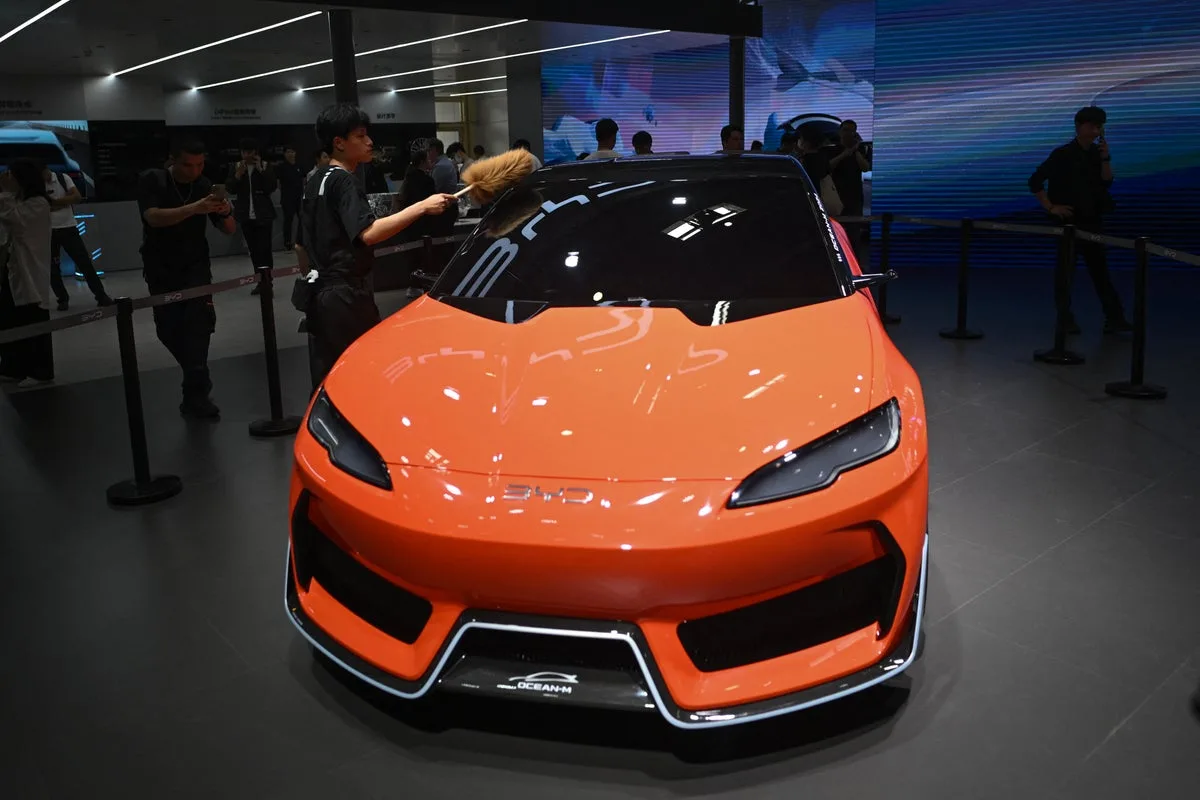
TikTok is inundating American users with content featuring Chinese-made electric vehicles, generating significant consumer interest for models that are not available for purchase in the United States. Brands such as BYD, Xiaomi, and Zeekr are captivating U.S. audiences by presenting vehicles that blend luxury features with remarkably affordable price points.

However, American consumers will be unable to acquire these Chinese electric vehicles in the foreseeable future due to prohibitive tariffs and stringent regulatory barriers. The situation highlights a growing disconnect between digital demand and market accessibility.

Influencers Showcase Unattainable Electric Vehicles

Alexandra Kozak enthusiastically praised the 2023 BYD Seagull hatchback in a TikTok video posted in January 2025, noting its attractive price of just $13,000. She highlighted premium features including a 10-inch rotating touchscreen with Amazon Music integration, a wireless charger, and a comprehensive four-airbag safety system.

Wide Pickt banner — collaborative shopping lists app for Telegram, phone mockup with grocery list

"It's a great price-point that people deserve to have here," Kozak asserted in her video. "Not cars starting at $30,000."

Forrest Jones, a prominent car influencer with 8.2 million TikTok followers, has demonstrated several Chinese models including the Zeekr 9X, which he described as "the most powerful SUV on the planet." The vehicle boasts luxurious amenities such as massaging seats, dual touchscreens, and a panoramic roof.

Jones showcased how the rear seats can fully recline for enhanced comfort, complete with heated leg-rests, footrests, a built-in cooler, and a removable tablet. Despite these premium features, the Zeekr 9X carries a substantial price tag of approximately $83,000.

Regulatory Barriers and Political Actions

In 2024, the Biden administration implemented a 100 percent tariff on Chinese electric vehicles, creating a significant financial barrier to their importation. Subsequent policies effectively prohibited Chinese vehicle software and hardware from U.S. roads, citing national security concerns regarding technological components from adversarial nations.

Before leaving office, President Biden also signed legislation pressuring Chinese-owned ByteDance to divest TikTok's U.S. operations, further complicating the landscape for Chinese products in American markets.

Manufacturers Confirm No U.S. Market Plans

Chinese automakers have consistently indicated they have no immediate plans to enter the competitive U.S. automotive market. Geely, the parent company of Zeekr, told Bloomberg that while they appreciate the positive reception from American reviewers, their collaborations with U.S. influencers do not signal an imminent launch in the United States.

Similarly, BYD Co., China's largest automobile manufacturer, and technology giant Xiaomi have both confirmed they have no current plans to introduce their vehicles to American consumers, according to Bloomberg reports.

Significant Consumer Interest Despite Barriers

A study released in February 2025 by Cox Automotive, parent company of Kelley Blue Book, revealed substantial latent demand for Chinese electric vehicles among American consumers. The research found that 38 percent of Americans would be extremely or very likely to consider purchasing a Chinese vehicle if they became available in the U.S. market.

This significant interest percentage suggests that should regulatory barriers eventually change, Chinese automakers could potentially capture a meaningful segment of the American electric vehicle market, capitalizing on the demand generated through social media platforms like TikTok.

Pickt after-article banner — collaborative shopping lists app with family illustration