Tesla's Strategic Shift Amid Declining Sales and Musk's Vision
New car sales statistics present a challenging picture for Tesla in the current market. In the United Kingdom, January witnessed a dramatic 50 per cent decline in sales figures, following a nearly ten per cent decrease throughout the entirety of 2025. This year-long downturn was reflected across numerous global markets, indicating broader industry pressures.
Production Challenges and Market Realities
Tesla previously attributed the 2025 slump to the transition between old and new Model Y versions, a shift that typically disrupts production and delivery schedules as manufacturing facilities reconfigure. However, the sharp January drop raises further questions. While Tesla may cite logistical issues, such as delivery complications from its German plant serving the UK, a 50 per cent reduction remains a significant concern for investors and analysts alike.
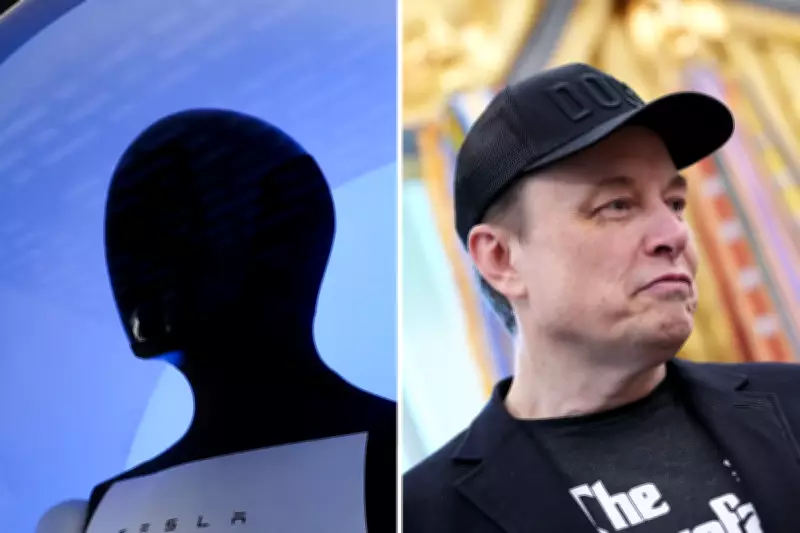
Concurrently, Elon Musk has announced the discontinuation of Tesla's inaugural flagship models, the Model S and Model X, produced at the original Fremont, California factory. This facility will now concentrate on manufacturing the Optimus humanoid robot, with ambitious targets of one million units annually. Musk continues to advance his autonomous vehicle projects, including the Cybercab, alongside ongoing technological enhancements for the Model Y and Model 3.

Expanding Beyond Traditional Automotive Boundaries
Despite sales volatility, Tesla's broader portfolio shows growth. The Semi truck programme progresses steadily, and the battery production division expands rapidly. The core question evolves from whether the Tesla bubble has burst to if this marks a deliberate pivot away from conventional car manufacturing. Musk's longstanding ambition to colonise Mars underscores a vision that transcends terrestrial transportation.
The latest Tesla Model 3 and Model Y remain among the premier electric vehicles available, praised for their build quality, driving dynamics, efficiency, competitive pricing, and advanced technology. The Supercharger network, with its seamless integration, continues to be a major competitive advantage.
Market Competition and Brand Positioning
Musk's political commentary undoubtedly influences public perception, which is regrettable given that Tesla represents more than its founder, offering exceptional vehicles. However, competition intensifies, with rivals like the BMW iX3 and Volvo EX60 boasting impressive range and charging capabilities, while numerous brands introduce affordable EVs with distinct technological benefits.
Tesla is firmly established and unlikely to disappear from the automotive landscape. This period may signify the brand consolidating its position within a rapidly evolving market. With extensive familiarity of both the company and its visionary leader, anticipation builds for Tesla's next innovations, whether in automotive design, robotics, or interplanetary exploration.