A new study from the University of Oxford’s SDG Impact Lab and Polestar has revealed that drivers are significantly more engaged when behind the wheel of a performance model compared with a more standard one, challenging the industry’s push toward greater automation.
The research pitted drivers in a Performance model against those in a Rear Motor model, using brain scans to measure their reactions. On the study’s Performance/Dynamics scale, the Performance version scored 89.2 out of 100, while the Rear Motor model scored 67.7.
Measuring driver response
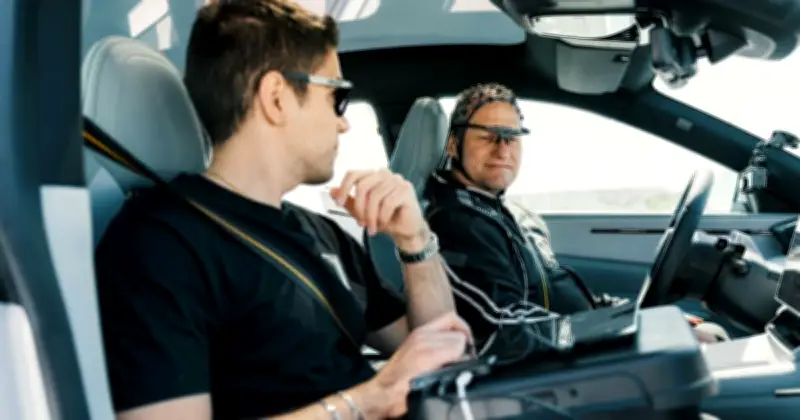
Christian Drapni, PhD Phil, of the SDG Impact Lab at the University of Oxford, told the Express: “We tested them in both cars to see how the response would compare between the two, what we used for the measuring was an EEG which is what you use to measure the brain waves. Then we had heart rate, skin conductors, which measure how sweaty your fingers get on a very precise scale.”
According to the study, drivers in the quicker car reported heightened bodily response, trust in the vehicle, a sense of control and deep attentional engagement. One participant admitted the car “makes you feel like a better driver than you are”, with the Performance version more consistently combining thrill, trust and control.
Polestar’s view on driver engagement
Christian Samson, head of product attributes at Polestar, told the Express: “Yes. The quick answer is yes. When you drive with a driver support system, some of them are mandatory; they are switched on at every new drive cycle, meaning you need to deselect them at every drive cycle. That comes with a lot of accountability and responsibility when you're designing those systems.”
Mr Samson added: “Of course, save me from running off the road, but someone being sober, focussed and into the driving, if I touch on the centre line with no oncoming traffic, I don’t think I should have a disturbance, I know what I am doing and I am actually taking responsibility for my actions, I am driving my car with great focus and great confidence.”
Personalisation over one-size-fits-all
Polestar said it aims to create a “joyful” driving experience, focusing on cars that are nippy, responsive and free of disturbances. The company’s chiefs said technology should make cars feel like a plucky Mazda, with drivers having the appeal to “push through the corners”.
Mr Drapni said car brands need to ensure a “level of personalisation between the cars”, while still allowing drivers the freedom to drive if they want to be more involved. He said: “Being able to select how you want the car to perform. If you want the car to be more nimble or more relaxed, I think that should be kept rather than having a one-size-fits-all approach.”
The findings suggest that while autonomous features have their place, there remains room for hands-on driving experiences in the future of the industry.