

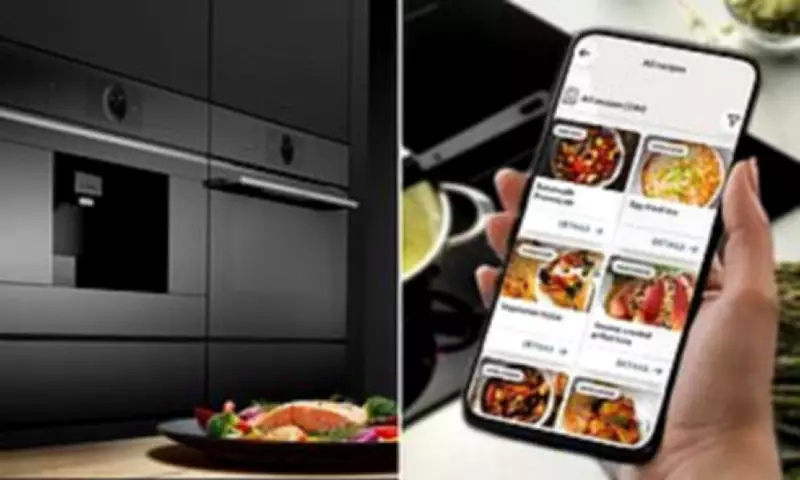
For generations, the traditional oven stood as the undisputed workhorse of the kitchen, an essential appliance for preparing family meals, often equipped with a built-in grill. This dominance was challenged by the rise of counter-top alternatives, beginning with the microwave. Mainstream in the 1980s, its electromagnetic waves offered rapid cooking and reheating, though culinary purists often criticised its results for appearing pallid.
The Air Fryer Phenomenon
The more recent and arguably more impactful shift arrived with the air fryer, which surged to mainstream popularity around five years ago. Time-poor home cooks celebrated this affordable appliance, with models starting from just £20. By circulating extremely hot air at high speeds, it creates dishes quickly that mimic oven-cooked textures. Even professional chefs have endorsed it as a must-have, praising its efficiency and often healthier outcomes as fat drains away rapidly.
Celebrity chef Jamie Oliver's enthusiasm spawned a cookbook, television show, and a collaboration with Tefal to develop his own air fryer range. This trend sidelined the main oven for many households, which reported using it primarily for larger weekend meals like Sunday roasts.

The Smart Oven Resurgence
However, according to culinary innovation experts, the kitchen landscape is evolving once more. Appetite for standalone air fryers is waning as focus shifts back to the oven, reinventing it as the futuristic centrepiece of modern kitchens through technological advances.
Ovens from major electrical retailers are already sophisticated, featuring self-cleaning functions that use intense heat to burn off residue, automatic cooking programmes, and steam functionality even in basic models. The technology is poised to advance further, with hyper-speed cooking, live oven cameras, and voice-activated controls expected to become standard within the next decade.
Expert Insights on Connectivity
Jag Sandhu, UK account manager at premium Swedish brand ASKO, explained the demand for guided cooking, automatic settings, and connected features that allow remote monitoring. He emphasised that the best technology operates discreetly, simplifying daily routines without complexity.
Sophie Lane, Product Training Manager at Miele GB, noted that consumers desire the same smart technology found elsewhere in the home extended to the kitchen. She highlighted that innovation is driven by intelligent, connected appliances combining connectivity, sensors, and automatic programmes to transform cooking confidence.
Cutting-Edge Features and Models
Integrated air fryers are increasingly incorporated into ovens, while next-generation heating technology, such as graphite elements, can reduce cooking times by 30 percent, potentially making pre-heating obsolete.
Specific models exemplify this revolution:
- The Smeg Omnichef, priced around £1,500, offers 7-in-1 cooking, roasting a whole chicken in 30 minutes and potatoes in 35 minutes using traditional, microwave, and steam methods.
- Haier's ID Series 6 Oven, retailing at approximately £1,200, uses AI cameras to detect dishes and select cooking programmes automatically. It streams real-time footage via an app, adjusts temperature if food over-browns, and learns household preferences, like crispier roast potatoes.
- Fisher & Paykel's Combi-Steam ovens, from about £1,000, include voice-activated doors controllable via app.
- Bosch's Series 8 built-in ovens feature a 6.8-inch touch screen and a digital control ring engraved in glass, integrating AI for enhanced cooking.
Beyond Cooking: Aesthetic and Functional Integration
Chloe Blanchfield, Product and Consumer Manager at Hisense, observed that ovens are regaining their central role due to capacity and versatility unmatched by air fryers. Modern smart ovens now include dedicated air-fry settings that deliver comparable results automatically.
Blanchfield added that aesthetics significantly influence this shift, with a clear trend towards sleeker kitchen designs minimising countertop clutter. Even maximalist interiors prioritise aesthetic display over functional appliances, favouring integrated solutions.

The Future of Kitchen Appliances
Innovation extends beyond ovens. Miele is launching the KM8000 induction hob paired with M Sense cookware next month, using pans with built-in sensors that communicate with the hob to auto-adjust heat and prevent boiling over, potentially consigning burnt pans to history.
As smart ovens evolve with integrated air frying, AI, and connectivity, they are poised to reclaim their throne, offering a comprehensive, high-tech cooking solution that standalone appliances cannot rival.





