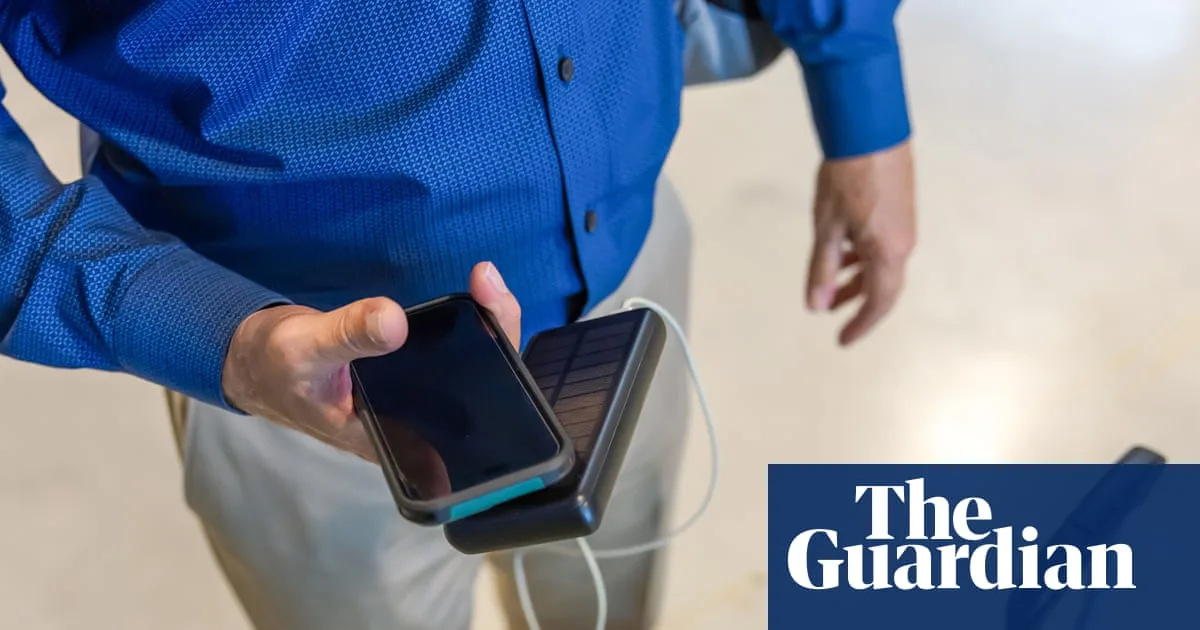
Rules around lithium-ion batteries are under scrutiny after a portable charger caught fire on an Australian flight. Virgin Australia is considering changes to its regulations following the incident, which occurred on a flight from Sydney and was thought to have been caused by a power bank in a passenger's carry-on luggage.
Australia's Civil Aviation Safety Authority (Casa) notes that the average passenger travels with at least four rechargeable lithium battery devices, including smartphones, laptops and portable power banks. Despite the incident, experts say the risk of fire is no higher in mid-air than on the ground.
Lithium-ion batteries are considered a risk on flights due to their potential to overheat and catch fire, a phenomenon known as thermal runaway. Current regulations typically require such batteries to be carried in cabin baggage, not checked luggage, and spare batteries must be protected from short circuits.

Passengers are advised to keep devices and power banks easily accessible, avoid using damaged or swollen batteries, and never attempt to charge a device that shows signs of overheating. Airlines may also limit the capacity of power banks allowed on board.