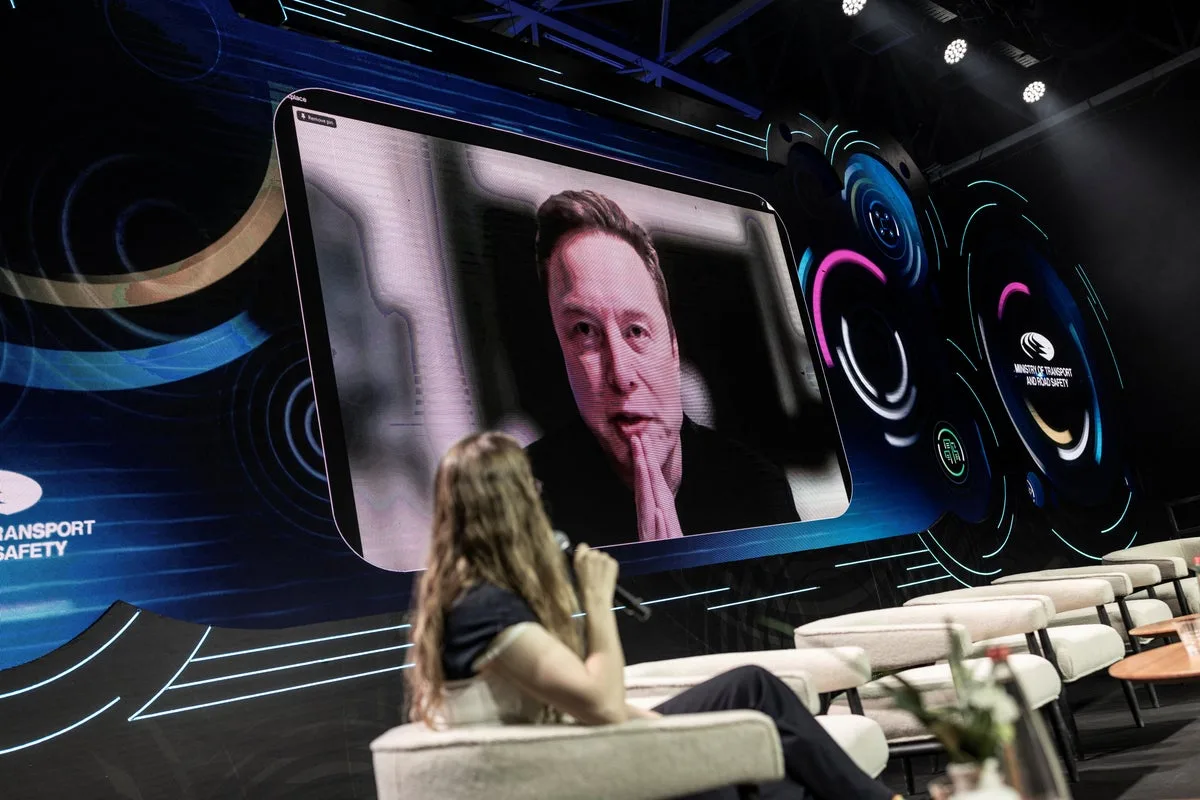
Elon Musk has announced that Tesla expects to roll out fully self-driving cars without human safety monitors across the United States later this year, following their initial launch in Texas. Speaking via video link at the Smart Mobility Summit in Tel Aviv, Musk said such vehicles are already operational in the Lone Star State and will expand nationwide within the year.
Tesla currently operates robotaxis in Austin, Dallas, and Houston, but Reuters reporters who tested the service reported significant issues, including long wait times, frequent unavailability, and drop-off locations far from intended destinations. The company recently recalled 218,868 vehicles in the US due to delayed rearview camera images, a defect that could increase crash risk, according to the National Highway Traffic Safety Administration.
Musk predicted that within five to ten years, 90 per cent of all distance driven will be by AI in self-driving cars, making manual driving a niche activity. However, his past predictions on autonomous vehicles have often missed their timelines. Meanwhile, Alphabet-owned Waymo last week recalled about 3,800 robotaxis after identifying a risk of vehicles entering flooded roads at higher speeds.

Musk also discussed his other ventures, claiming SpaceX is nearing development of reusable rocket launch systems that could significantly reduce space travel costs. He added that Neuralink plans its first implant with its Blindsight device later this year, aiming to help blind individuals see, and that humanoid robots could be 'pretty much everywhere' within a decade, boosting economic growth and leading to 'universal high income'.