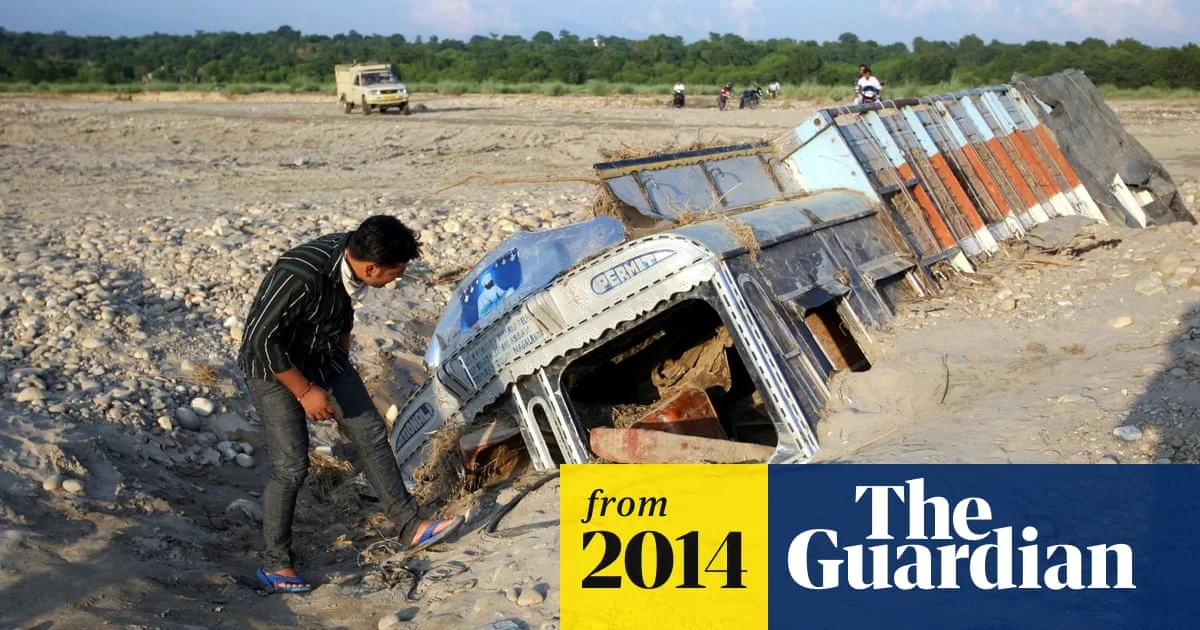
In the wake of a devastating landslide that killed over 400 people in Kashmir, a local hero known as the 'Highway Guardian' has been guiding drivers through treacherous mountain roads, helping to prevent further tragedies. The landslide, triggered by heavy monsoon rains, also left hundreds of thousands stranded by flooding, highlighting the growing risks posed by climate change in mountainous regions.
Scientists warn that climate change is accelerating in mountain areas, with temperatures and rainfall patterns already shifting. Monsoon rains are forecast to intensify, saturating soil and increasing the likelihood of landslides. The loss of snow and ice, which binds loose debris on slopes, further exacerbates the danger. Despite extensive research on landslide hazards at British universities, much of it remains behind paywalls and is not reaching NGOs working on the ground.
Effective sharing of research could reduce disaster risk. For instance, in 2010, a landslide in Indian-administered Kashmir destroyed a Tibetan refugee camp on a flood plain, killing hundreds. Had geologists been consulted, the camp would not have been placed there. Some scientists are now working to bridge the gap between academia and practitioners, but communication channels remain weak.
Community consultation is also vital. In the Himalayan kingdom of Baltistan, scientists have been interviewing elderly residents to document historical disasters. Ruzi Mohammed, believed to be around 110 years old, recalled a flood from 1907 that washed away his village. His description helped geologists identify the cause as a dam burst following a landslide. Such local knowledge is invaluable for understanding risks in areas with high illiteracy and limited outside access due to the ongoing Kashmir conflict.
NGOs and local authorities can also learn from community input. In 2005, a landslide destroyed the village of Panabaj, Guatemala, but the relocation site chosen by authorities was on an alluvial fan with high landslide risk. The affected community, fearing a second disaster, resisted the move. Closer collaboration between scientists, communities, and development practitioners is essential to reduce the risk of future disasters in mountain regions, where over a tenth of the world's population lives, often in poverty and without access to communication tools.