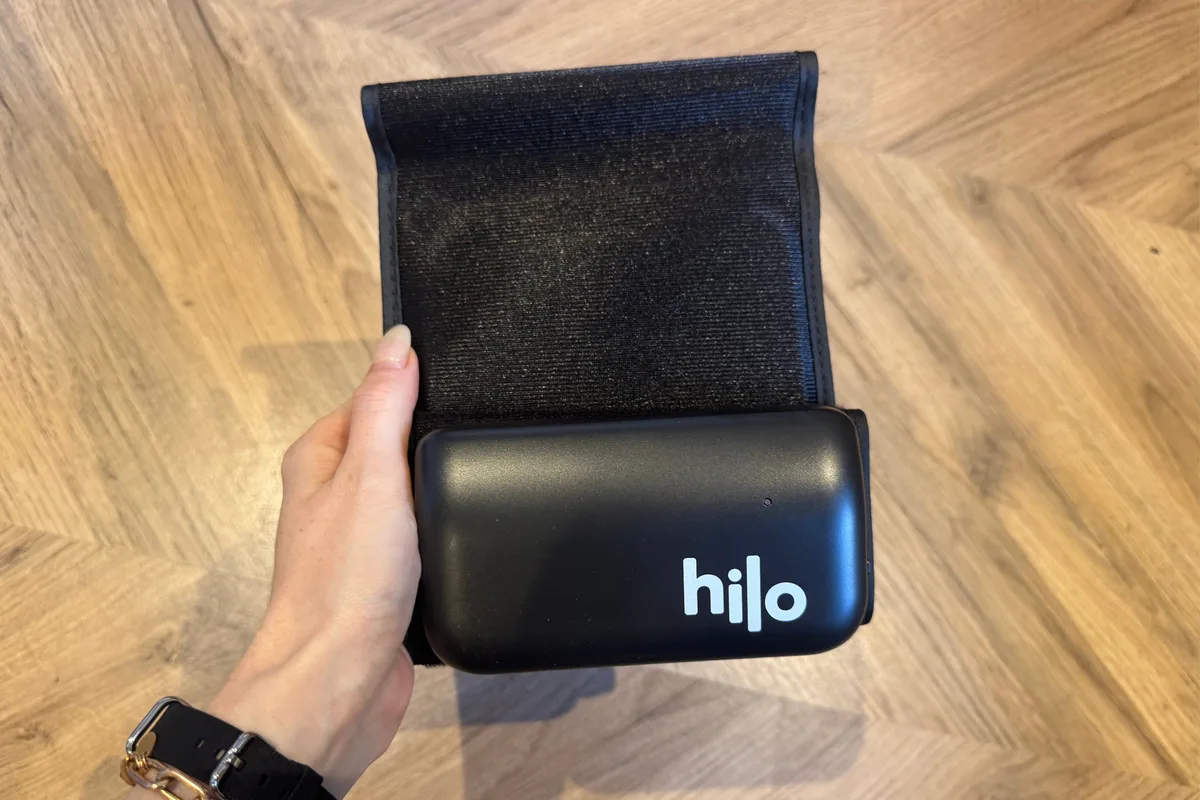
When a blood pressure tracker first arrived on my desk, I was immediately intrigued. Having recently tested the Whoop MG fitness tracker paired with a blood pressure cuff and observed Apple's new blood pressure monitoring features for its watch, I felt the home medical testing boom had found a comfortable partner in wearables. As someone whose blood pressure tends to run low, I wondered whether a device like this could be genuinely useful for me.
Health tracking and hypertension
Health-tracking enthusiasts and biohackers are increasingly keen on monitoring blood pressure as a marker of overall health. However, unless you are among the millions in the UK living with hypertension, most doctors agree it is not a metric you need to track. According to the British Heart Foundation, a normal blood pressure reading falls between 90/60 mmHg and 130/85 mmHg. For people over 80, the ideal target is below 150/90 mmHg. Heart Research UK estimates that around 30% of adults have high blood pressure, while the British Heart Foundation suggests a further five million people may be unaware theirs is elevated.
If you are interested in discovering your blood pressure and tracking it, an at-home monitor can be helpful. While the tool itself cannot reverse symptoms, it can indicate high blood pressure. Lowering high blood pressure can reduce the likelihood of strokes and heart attacks. Blood pressure tends to increase with age due to arteriosclerosis, but this rise is not inevitable and can be managed.
How I tested the Hilo tracker
I wore the Hilo tracker for two months, regularly monitoring my blood pressure levels and allowing the app to gather data and build a clear picture of my BP. To test accuracy, I cross-referenced results with a traditional cuff-style monitor at home and with readings from two separate doctor appointments. I also evaluated the band's design, the app's user experience, and options for tracking daily behaviours, habits, food consumed, and overall comfort.
Hilo blood pressure monitor: Key features
- Comfortable and lightweight to wear
- App is easy to use and understand
- Accuracy with trend data
- Current cost includes one-year membership
- Take note: Not necessary for everyone
- After the offer ends, an annual membership costs £69.99 on top of the band
The Hilo blood pressure monitor is a compact device claiming clinical-grade accuracy without the bulk of a traditional cuff. Worn on the wrist like a fitness tracker, it links to an app via Bluetooth and takes readings up to 50 times per day. It calculates blood pressure using pulse wave analysis (PWA) after calibration with the Hilo Cuff, then considers behaviours, medications, and readings to provide daily reports.
Design and usability
Hilo's design is one of its strongest points. Lightweight and unobtrusive, it is easy to forget you are wearing it until needed. The screen is clear enough to glance at mid-commute or while moving around the kitchen, and the interface is refreshingly uncomplicated. Setup takes minutes, and the companion app follows the same ethos: pared back, simple, and designed to deliver data without unnecessary detours. The Hilo app does not pretend to be a lifestyle platform or digital health coach. In a market where every gadget vies to expand its remit, this simplicity is satisfying. The app logs data automatically, charts numbers over time, and offers jargon-free explanations. It is more of a storage system than an interpretive tool, with no tailored insights, behavioural nudges, or integrations with broader health ecosystems. Hilo knows its audience and does one thing well, avoiding the trap of overpromising. However, if you want to wear it with another wrist-based fitness tracker, you will need to put one on each arm.
Accuracy testing
Accuracy is where wrist-based monitors typically lose their shine, so I tested Hilo against a GP-recommended upper-arm cuff across multiple readings. While there was slight variation in numbers, this highlights why multiple readings are important for an accurate picture. Home testing is never perfect, but Hilo offers reliable trend data that can be easily understood and shared with a medical professional if needed. For most people monitoring at home, a certain level of reliability is essential. My doctor advised that if you have diagnosed hypertension or rely on highly accurate readings for medication decisions, an upper-arm monitor remains the gold standard. Although Hilo is validated as a medical device, it is best viewed as a daily tracker for patterns rather than a clinical replacement.
Who should use Hilo?
Hilo is not recommended for people over 85 or under 18, those who are pregnant, or individuals with certain health conditions. The current cost is attractive with a year's membership included, but note that the annual membership renews at £119.99 per year. This model is similar to Whoop and Oura ring, so it is not surprising but worth noting. Price: £210 from hilo.com.
Final verdict
In my view, the Hilo monitor is a straightforward, competent device. It does not promise transformation or try to play doctor. Instead, it gives reliable patterns in a friendly, accessible format and encourages healthy choices. Used alongside, not instead of, clinically approved monitoring, it is an effective starting point for understanding your health. Combined with minimalist design and ease of wear, it could be a game-changer for some. As an intervention tool for early awareness, it seems a worthy investment.
Emilie Lavinia was The Independent's fitness and wellbeing editor. With over a decade of reporting on health and wellbeing, she has extensive knowledge of wearable tech and fitness devices such as the Oura ring and Whoop. She regularly reports on longevity, biohacking, and stress reduction, and tests everything from yoga mats and sleep aids to the best health wearables for IndyBest.