Google Fitbit Air vs Whoop: Can £85 Tracker Replace £30 Subscription?
Google Fitbit Air vs Whoop: £85 Tracker Tested

For years, Whoop has dominated the recovery space, but it now faces a real rival. Google has launched the Fitbit Air, an £85 screenless fitness tracker that costs a fraction of a Whoop and does not require a subscription to work. It focuses on passive, round-the-clock health tracking.

Design and Comfort

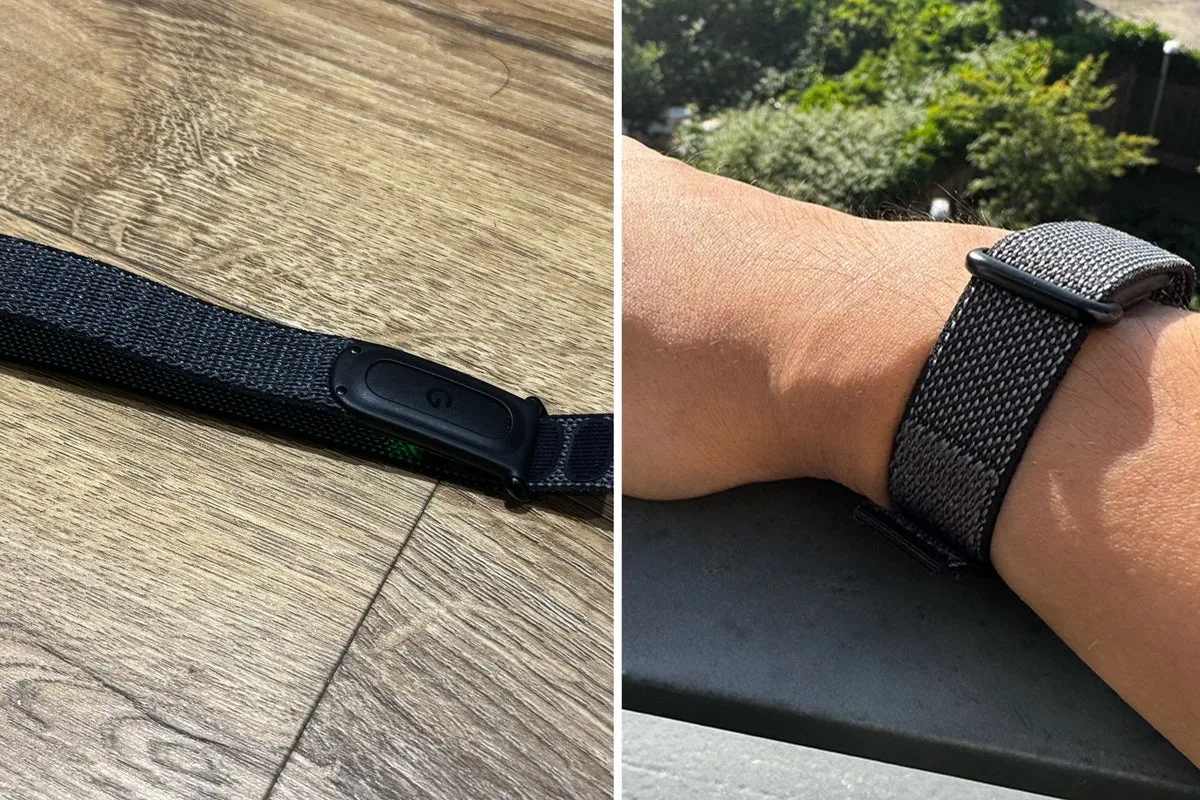
The Fitbit Air is ultra-thin and incredibly light, measuring just 17mm wide and 8.3mm thick. It slots into a Velcro fabric band that tightens on the wrist with a simple pull strap, avoiding the complicated metal clasp of the Whoop. The tracker sits flush against the skin, making it easy to forget you are wearing it. Available in obsidian, fog, lavender, and berry, with optional silicone active bands and leather bands, the Fitbit Air offers a minimalist design. However, Whoop still leads in customisation with leather, knit bands, bicep straps, and Whoop Body clothing.

Setup and AI Coaching

Setting up the Fitbit Air is straightforward. After pairing with the Google Health app, users engage in a chat with an AI coach to build a profile. The coach asks about goals, such as reducing body fat or lowering stress, and adapts to input like regular CrossFit training. It can adjust plans based on travel or schedule changes, offering a personalised experience. However, the AI occasionally struggles with dates and timelines, leading to some confusion.

Wide Pickt banner — collaborative shopping lists app for Telegram, phone mockup with grocery list

Features and Performance

The Fitbit Air tracks 24/7 heart rate, sleep stages, resting heart rate, blood oxygen, heart rate variability, respiratory rate, skin temperature, and irregular rhythm notifications for atrial fibrillation. It also monitors workouts, steps, and introduces a weekly cardio load target metric, similar to Whoop's strain. A daily readiness score assesses recovery, and a smart alarm wakes users at an optimal time with gentle vibrations. While most features work without a subscription, Google Health Premium (£7.99 per month) unlocks AI insights and coaching. The tracker takes about a week to calibrate for advanced metrics.

Sleep tracking is excellent, especially during travel. For instance, after a night with only 2 hours and 21 minutes of sleep, the sleep score dropped to 49, and readiness fell to 25. The app provided detailed context, linking suppressed REM sleep to travel stress. Location-aware coaching reminded the user to walk at the airport and adjusted goals when returning home.

Accuracy compared to Whoop is similar, with both trackers showing recovery tanking during travel. However, the Fitbit Air lacks dedicated stress tracking, a key Whoop feature. Auto-workout detection struggles with CrossFit and Olympic lifting, requiring manual input, whereas Whoop recognises most workouts automatically.

Charging and Battery Life

The Fitbit Air charges via a magnetic charger, offering up to seven days of battery life. A five-minute charge provides a day's use, and a full charge takes 90 minutes. Whoop's charging system is more cumbersome, requiring a battery pack that slides onto the device while worn.

Verdict

For dedicated athletes and CrossFitters, Whoop remains superior due to its granular data and automatic workout detection. However, for most users, the Fitbit Air offers a lightweight, affordable wearable paired with a smart health app. The AI coaching provides personalised guidance, and the lack of a mandatory subscription is a significant advantage. After two weeks of testing, the Fitbit Air is a compelling choice that challenges Whoop's dominance.

Pickt after-article banner — collaborative shopping lists app with family illustration