Experts have raised concerns about the safety of driverless cars after a vehicle mistook an advertisement on the side of a London bus for real pedestrians, causing it to perform an emergency stop. The incident highlights the limitations of current AI technology in distinguishing between images and actual people.
The driverless taxi, which was operating without a human driver, slammed on its brakes after its sensors interpreted a life-size poster for the film The Man from U.N.C.L.E as a group of people crossing the road. John McDermid, a professor of software engineering at the University of York, disclosed the incident during a briefing at the Science Media Centre.
Professor McDermid said: “One of the automated vehicle companies I work with had a situation where their vehicle did a sudden emergency stop because it’s all pedestrians in the road, except they weren’t. It was a life-size advert on the side of a bus, but to an AI, it was human beings.”
Further trials in York revealed that driverless cars also struggle with roundabouts, rule-breaking pedestrians, and knowing when to slow down on tight curves. The technology has difficulty reacting to unexpected movements, such as people crossing against a green light.
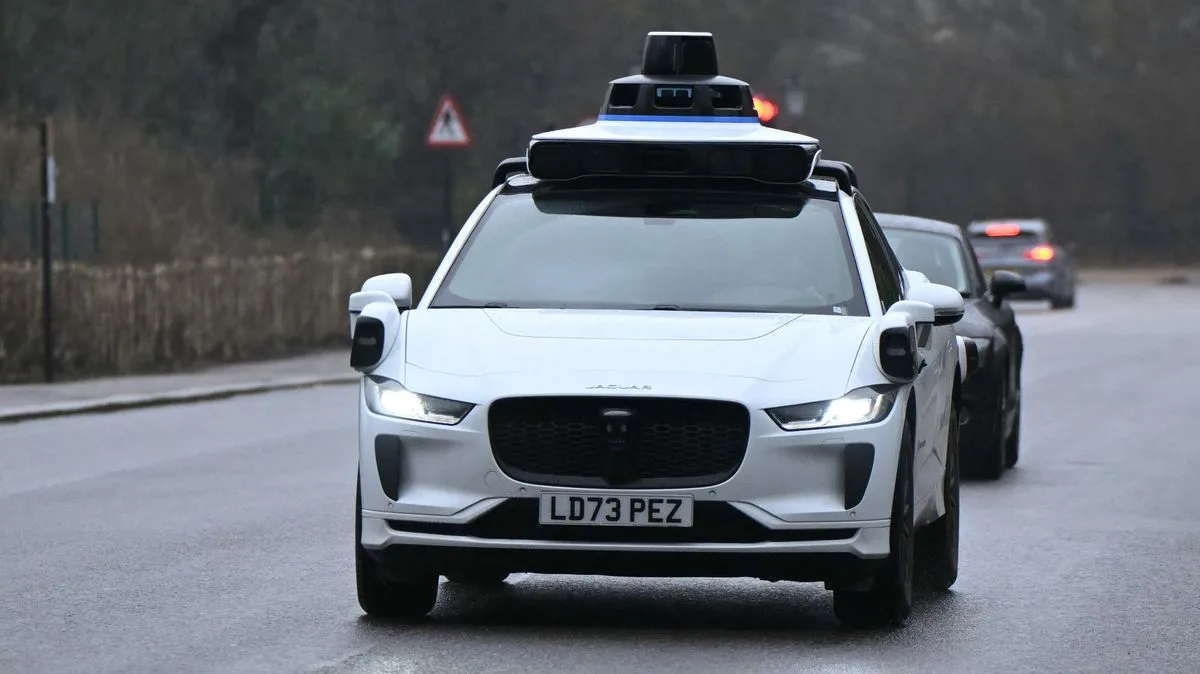
The UK government plans to change regulations later this year to allow driverless vehicles on London roads. US firm Waymo is set to launch its driverless taxi service in London in September, with a pilot expected as early as April. Waymo’s cars are currently mapping the city with safety drivers, but will eventually operate without any human occupants.
Waymo vehicles use lidar, vision, radar and microphone sensors to create a 360-degree view of their surroundings up to three football fields away. The data is processed by a computer in the boot to determine real-time movements. The company promises a “competitive” but “premium” price for the service.