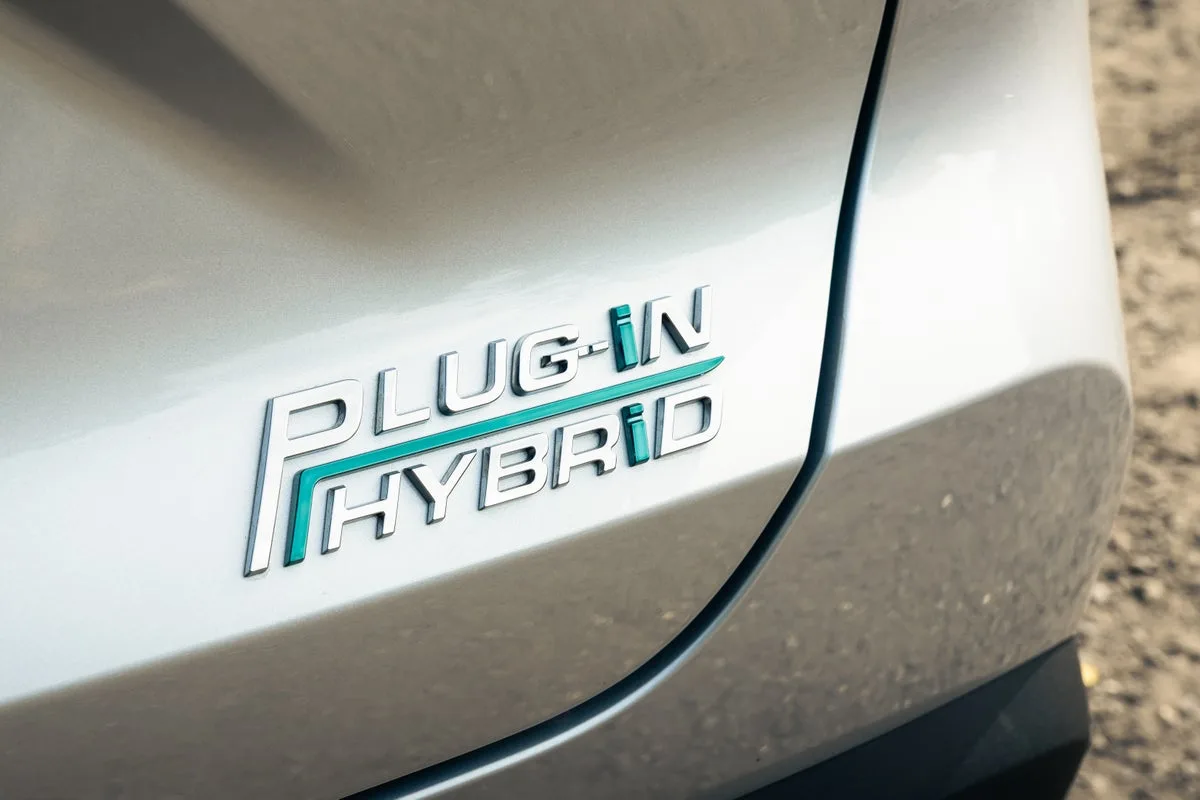
Chinese Plug-In Hybrid SUVs Put to the Test: Which Model Reigns Supreme?
Chinese plug-in hybrid car sales are experiencing a significant surge in the UK, driven largely by rising fuel costs. New brands from China are entering the market at a rapid pace, with plug-in hybrids emerging as one of their key strengths. The winning formula combines generous equipment, decent quality, family-friendly SUV designs, sufficient electric range for daily commutes, and a petrol engine for longer journeys.
When you add aggressive pricing to this mix, you get a sector that has suddenly become incredibly compelling. It's no surprise that the Jaecoo 7, with its Range Rover-inspired aesthetics, has become the second-best-selling car in the UK so far in 2026. What's remarkable is how swiftly these brands have evolved from curious newcomers to serious competitors, offering value, range, and technology that would have been unimaginable just a few years ago.
Buyers who might have previously opted for more familiar European or Korean models now have genuine alternatives, especially if they're not quite ready to transition to fully electric vehicles. These six cars approach the brief in slightly different ways. Here's how they compare across various categories.
Performance and Driving Experience
A clear theme unites this group: all six vehicles prioritize easy-going family transport over sporty performance. The Jaecoo 7's plug-in hybrid system impresses with smooth transitions between electric and petrol power, along with plenty of quiet running. However, the overall driving experience is less commendable due to a firm, bumpy ride and odd, lifeless steering.
The Omoda 7's closely related hybrid system also feels smooth and well-integrated, gliding quietly in urban settings. Yet, its fidgety ride, vague steering, and additional tyre noise detract from the experience. BYD's Sealion 5 DM-i focuses on refinement and ease of use, with a single-speed transmission tuned for efficiency rather than excitement, resulting in a relaxed and measured feel on the road.
Chery's Tiggo 8 adopts a similarly calm approach, offering smooth performance and a quiet driving experience, though the ride can be somewhat jiggly. The Geely Starray EM-i prioritizes family usability with a particularly polished powertrain that seamlessly switches between petrol and electric operation, providing adequate punch for normal use. The MG HS, while not especially brisk or entertaining, remains comfortable and practical.
Winner: BYD Sealion 5 DM-i – Its smooth, EV-like drivetrain delivers quiet, seamless performance, making everyday driving exceptionally relaxing and efficient.Interior, Practicality, and Boot Space
This is where Chinese newcomers truly make their mark. The Jaecoo 7 plug-in hybrid's interior appears far more expensive than its price suggests, featuring premium materials, good storage, and ample rear leg and head room, although its boot capacity is limited to 412 litres.
BYD's Sealion 5 also feels impressively well-finished for the money, boasting a modern-looking cabin, strong material quality, wide-opening doors, and a user-friendly design. Its boot is slightly larger than the Jaecoo's, at 463 litres with the rear seats up.
Chery's Tiggo 8 stands out as the practicality star. Its cabin feels substantial, well-made, and modern, while the seven-seat layout provides an advantage unmatched by any other model here. Omoda counters the Tiggo 8's 494 litres of boot space (in five-seat form) with a very useful 639-litre boot and a flat load floor, enhancing its family-friendly appeal.
Geely's Starray shines with huge interior space relative to its footprint, a cabin that feels more premium than many rivals, and a boot of 528 litres, expandable to 2,065 litres with the rear seats folded. The MG HS remains sensible in this category, offering comfort and practicality, even if its boot isn't as generous as some competitors.
Winner: Chery Tiggo 8 Super Hybrid – Seven-seat versatility, generous cabin space, and strong practicality make it the most family-friendly option.Technology, Stereo, and Infotainment
Equipment is a major selling point for all these cars, but execution varies. The Jaecoo 7 comes loaded with features, including powered front seats with heating and cooling, a head-up display, and a 14.8-inch touchscreen with Wireless Apple CarPlay and Android Auto. However, some functions are frustrating to use, and constant warning chimes can become irritating.
BYD's Sealion 5 keeps things simpler with a responsive 12.8-inch screen and plenty of standard kit, though some features require a learning curve, and there are still a few infotainment quirks. Chery makes a strong case on tech alone, with the Tiggo 8 offering a big, clear screen, wireless smartphone mirroring, voice control, extensive driver assistance kit, and a 540-degree camera system, despite a fiddly menu structure and underwhelming Sony audio.
Omoda's 15.6-inch screen is bright and generally responsive, supplemented by physical shortcut buttons, but the screen's position and another disappointing Sony stereo are drawbacks. Geely's system looks terrific, responds quickly, and includes a useful head-up display and clever rotary controller, though it still hides too many everyday controls in the touchscreen. The MG HS's biggest flaw is its over-reliance on the touchscreen, with even simple functions requiring menu navigation while driving.
Winner: Geely Starray EM-i – Fast, intuitive infotainment, strong graphics, and clever features make it the easiest system to live with.Prices and Running Costs
Value is a key reason these cars matter. The BYD Sealion 5 DM-i and Geely Starray EM-i both start below £30,000, offering strong value when combined with decent quality, extensive kit, and useful electric-only range. The Omoda 7 starts from £32,000, the seven-seat Chery Tiggo 8 from £33,545, and the premium-looking Jaecoo 7 SHS from £35,170.
All three offset higher prices with generous equipment and impressive headline range claims. The Tiggo 8 and Omoda 7 both promise 745 miles in combined running, while the Jaecoo quotes the same figure, though it may be optimistic. BYD's 631-mile figure is lower but still strong, and the Geely counters with up to 84 miles of electric range in Ultra trim, the best electric-only figure here. The MG HS sits in the middle, with the PHEV starting at £31,495.
Winner: BYD Sealion 5 DM-i – Strong efficiency, competitive pricing, and impressive total range combine to deliver excellent real-world value.The Verdict: Best Family Plug-In Hybrid SUV from a Chinese Maker
These six SUVs demonstrate how quickly Chinese brands are mastering the family-car market. None are perfect. The Jaecoo 7 offers quality and value but is let down by a poor ride and tech irritations. The Omoda 7 provides a big boot, long range, and lots of kit but lacks dynamic polish. The MG HS remains good value but doesn't feel as premium as some rivals.
The three strongest all-rounders are the Chery Tiggo 8, Geely Starray EM-i, and BYD Sealion 5 DM-i. The Chery Tiggo 8 impresses with space, seven-seat versatility, standard kit, and value, earning third place. The Geely Starray EM-i feels especially polished, with excellent interior quality, seamless hybrid operation, and the longest published EV range in Ultra trim, securing second place.
However, the car that hits the sweet spot best is the BYD Sealion 5 DM-i. As the cheapest option, it scores strongly on quality, space, and tech, and its easy-going nature makes it ideal for daily family use. Therefore, it emerges as the overall winner in this competitive comparison.