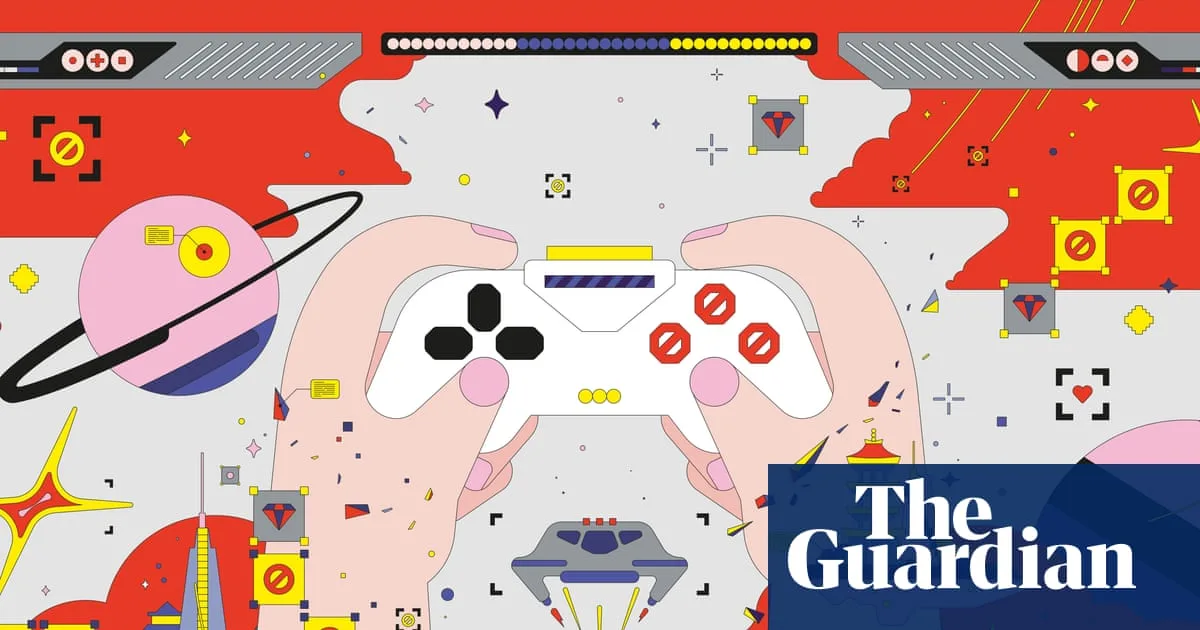
China's video game market is the world's biggest, and international developers are eager to get in on it. However, the country's rules on what is acceptable in games are growing increasingly harsh, with bans on cults, politics, and ghouls. This raises the question: is it worth the compromise?
The Scale of China's Video Game Market
China's video game industry is a behemoth, generating billions of dollars in revenue annually. With over 600 million gamers, it surpasses every other country in terms of player base and market size. International developers see immense potential for profit, but they must navigate a complex web of censorship regulations.
What Is Banned?
The Chinese government imposes strict content restrictions on video games. Prohibited content includes:
- Political themes that could be seen as critical of the Communist Party or the government.
- Depictions of cults or religious groups that are not officially recognized.
- Violence, especially gore and graphic horror elements.
- Sexual content, including nudity and suggestive themes.
- Historical revisionism or content that challenges official narratives.
The Censorship Process
All games sold in China must be approved by the National Press and Publication Administration (NPPA). This process involves submitting the game for review, and any content deemed inappropriate must be altered or removed. The approval process can take months or even years, and some games are rejected outright.
Impact on Developers
For international developers, adapting games for the Chinese market often requires significant changes. This can include:
- Removing or altering characters and storylines that touch on politics.
- Changing visual elements to reduce violence or horror.
- Modifying gameplay mechanics to comply with regulations, such as limiting playtime for minors.
These changes can be costly and time-consuming, and they may alter the original vision of the game. Some developers choose to bypass the Chinese market entirely, while others accept the compromises as a necessary cost of doing business.
The Role of Tencent
Tencent, the Chinese tech giant, is a major player in the global video game industry. It owns stakes in many Western game companies, such as Riot Games and Epic Games. Tencent helps these companies navigate the Chinese regulatory landscape, but it also faces its own censorship challenges. The company has been known to self-censor its games to avoid government scrutiny.
Xi Jinping's Influence
President Xi Jinping has emphasized the importance of ideological control in all media, including video games. Under his leadership, the government has tightened regulations on games, particularly those that could be seen as promoting Western values or undermining Chinese culture. This has led to a more restrictive environment for game developers.
Is It Worth the Compromise?
The question of whether it is worth compromising creative freedom for access to the Chinese market is a contentious one. For some developers, the potential profits outweigh the costs. For others, the ethical and creative compromises are too great. The answer often depends on the specific game and the developer's values.
Conclusion
China's video game market offers immense opportunities, but at a price. The country's censorship rules are strict and growing harsher, forcing developers to make difficult choices. As the market continues to expand, the debate over whether these compromises are acceptable will only intensify.