Youth Unemployment Crisis Meets Creative Opportunity
The latest unemployment figures present a stark picture for Britain's young people, with the jobless rate among 16-24 year olds reaching a concerning 16.1%. This represents a five-year high and stands in sharp contrast to the 5.2% rate for the wider working population. However, amidst this troubling landscape, a different narrative is emerging through the creative sector, which is increasingly becoming a viable career path for digitally native youth.
Eurovision Selection Signals Shift
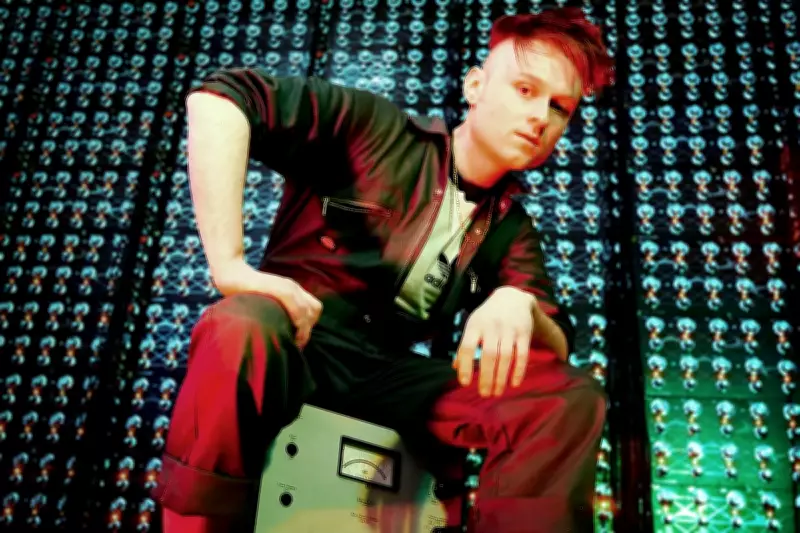
The announcement that YouTuber 'Look Mum No Computer' (Sam Battle from Kent) will represent Britain at the 2026 Eurovision Song Contest serves as a powerful symbol of this transformation. Since launching his channel in 2016, Battle has amassed 85 million views through his experimental musical creations, including organs made from toys like Furbies and Game Boys, synthesiser bicycles, and flame-throwing keyboards. His selection for Eurovision demonstrates how digital content creation is gaining mainstream recognition and legitimacy.
The Evolving Career Landscape
Traditional career advice has become increasingly problematic in today's rapidly changing economy. Just a few years ago, learning to code was touted as a guaranteed path to success, but artificial intelligence advancements now threaten many programming jobs. Meanwhile, young people are instinctively gravitating toward the creator economy, with three times more children expressing interest in becoming YouTubers than astronauts.

The creative sector has consistently been a significant economic contributor for Britain, particularly as an export earner through films, books, theatre, and music. This industry not only produces world-renowned creators but also supports thousands of jobs in related fields. Yet politicians often overlook its potential, preferring to brandish budget axes rather than invest in nurturing this vital sector.
Digital Natives Thriving in New Economy
Britain's youth are demonstrating remarkable adaptability within this emerging digital landscape. While not every aspiring influencer will achieve stadium-filling success like YouTuber DanTDM (who sold out Wembley Arena), a growing number of young people are finding sustainable careers through creative digital roles. These individuals possess sharp business acumen alongside their artistic talents, building careers that previous generations might have dismissed as unrealistic.
There exists a certain British snobbishness toward digital lifestyles, exemplified by restaurateurs like Jeremy King complaining about social media influencers. However, this attitude fails to recognize that today's youth are simply adapting to the economic realities they face. The creator economy represents a realistic and potentially lucrative target for young entrepreneurs who understand how to leverage digital platforms.
Historical Perspective on Youth Adaptation
Parental anxiety about children's futures is nothing new. Each generation has watched the next enter what appeared to be a deteriorating world, from concerns about video games 'rotting brains' to fears about 'video nasties' corrupting youth. Yet most young people have historically managed to navigate their particular challenges and build successful lives.
The current generation faces unique economic pressures, but they're developing equally unique solutions. Their cynical, sarcastic demeanor and seemingly incomprehensible influencer heroes might unsettle older observers, but these characteristics may well represent adaptive responses to contemporary realities. The creator economy offers pathways that didn't exist for previous generations, allowing talented young people to monetize their creativity in ways that traditional employment structures cannot accommodate.
While legitimate concerns remain about the sustainability of influencer careers and the volatility of digital platforms, dismissing this emerging economy would be shortsighted. Britain's creative sector has always been a source of national strength, and its digital evolution represents the latest chapter in this ongoing story. As youth unemployment continues to challenge traditional employment models, the creative digital economy offers alternative pathways that deserve serious consideration rather than reflexive skepticism.