

AI-Proof Jobs: Which Careers Will Withstand the Automation Wave?
As artificial intelligence rapidly transforms the workforce, new research highlights that jobs demanding hands-on physical tasks and deep human connections are most likely to remain AI-proof. This insight comes from career experts who warn that while AI is already displacing roles in repetitive sectors, certain professions offer greater resilience against automation.
The AI Job Threat: A Stark Reality
Investment bank Goldman Sachs projects that approximately 7% of the U.S. workforce could lose their jobs to AI by 2035, underscoring the urgency for workers to adapt. Trevor Houston, CEO of ClearPath Wealth Strategies, emphasized in an email to The Independent, "AI isn't coming; it's already here. This year, we're seeing it very much taking over a lot of jobs that are repetitive and process-oriented." He noted that customer service, administrative assistants, marketing, and finance roles are particularly vulnerable due to their predictable processes.
Nursing: A Bastion of Human Care
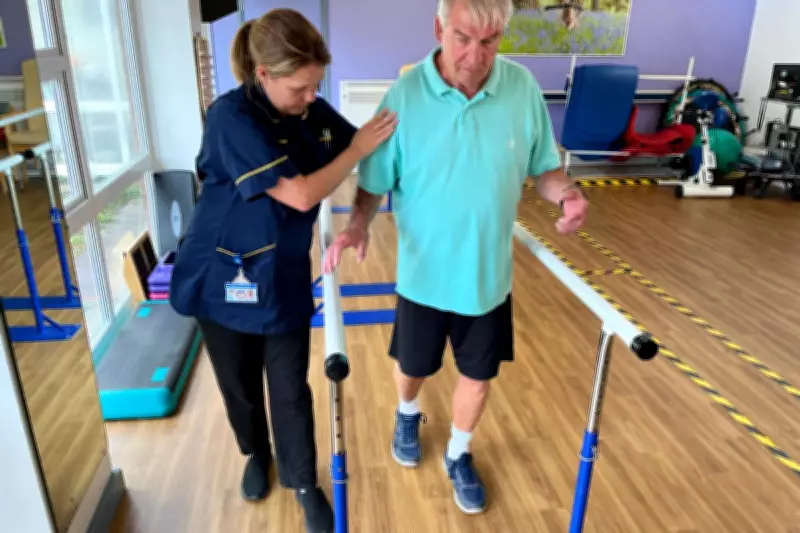
Nursing stands out as a field experts believe will resist AI replacement effectively. A 2024 study published in the medical journal Women's Health Nursing found that AI struggles with complex human emotions and ethical decision-making, core aspects of nursing. Researcher Hae-Kyung Jo wrote, "No matter how advanced and intelligent AI becomes, it cannot replace the core aspect of nursing, which is the care that necessitates human emotions and judgments." Russell Twilligear, head of AI research at BlogBuster, added that nursing depends on real-world judgment, human trust, physical work, and accountability, making full AI takeover unlikely for years.

Skilled Trades: Hands-On Resilience
Blue-collar roles such as HVAC technicians, electricians, and plumbers are deemed among the most AI-proof in the U.S. job market. These trades require intricate, multi-step physical tasks that AI and robots currently lack the dexterity and motor controls to perform. All Trades Staffing Services in Utah noted in an analysis, "Robots don't have the required dexterity or motor controls for this kind of work." Julian Scadden, a plumber and CEO of Nexstar Network, pointed to increased private equity investment in trade businesses as a sign that financial markets view this sector as better positioned to weather AI's impact.
Crisis Management: Human-Centric Problem Solving
Crisis managers, who help companies navigate unexpected events through training and response plans, are another category seen as AI-resistant. Jan Hendrik von Ahlen, managing director of Jobleads, stated in an email, "AI can definitely assist each of these jobs but can't produce output equal to that of humans." Deloitte reported in July 2025 that AI tools can aid in gathering and analyzing data for post-incident reviews, but human oversight remains crucial for drafting observations and recommendations.
In summary, while AI poses a significant threat to many jobs, roles emphasizing physical skills, emotional intelligence, and human accountability offer a safer harbor in the evolving job landscape. Workers in these fields may find greater job security as automation advances.






