If you are considering adding a new four-legged member to your household, thorough research is essential. With countless breeds available, selecting the right one can feel overwhelming. However, certain breeds should be avoided if you have young children at home.
Not every dog is suitable for a family environment with children, and it is vital to ensure you have picked the right match for your household. Some breeds are simply too large to be safe around young kids, while others are more prone to nipping at little fingers. According to SprucePets, these are 12 breeds which should be steered clear of if you are planning to get a dog.
Weimaraner
These stunning dogs possess extremely high energy levels and were originally bred to hunt big game. While this does not mean they will constantly be on the prowl for prey, it does indicate they can play rough, which can prove challenging with young children. They require substantial exercise and can be difficult to manage if you are a time-pressed parent.

Chihuahua
Due to their diminutive size, many people mistakenly believe these dogs make excellent family pets — nothing could be further from the truth. Chihuahuas depend on their bark and their bite to defend themselves given their tiny stature, and they highly value their personal space. Young children often struggle to interpret the social signals these small dogs display, and Chihuahuas can turn aggressive.
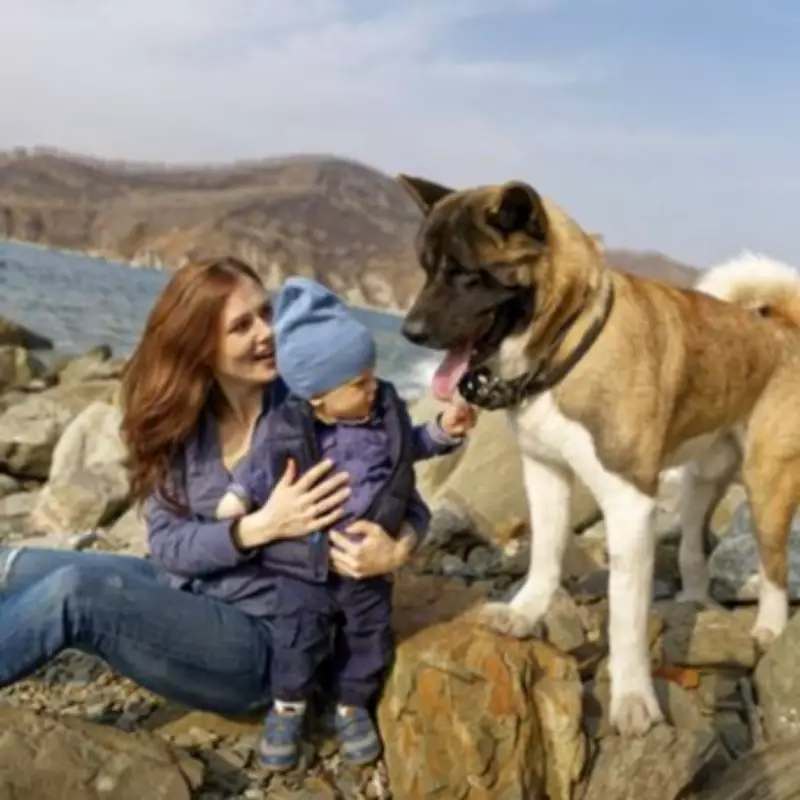
Akita
Bred for generations as guard dogs, this deeply ingrained instinct can prove difficult to overcome. If you have young children who regularly bring friends home, Akitas could pose a problem. They may view unfamiliar visitors as a potential threat, triggering their natural protective instincts.
Pekingese
Much like Chihuahuas, the Pekingese is a small breed that compensates for its size by appearing intimidating when under stress. They have notoriously short fuses, meaning if young children prod, poke, or tug at their tails, they may snap. They can also be fiercely possessive of their primary carers and dislike having to share attention.
Siberian Husky
These large, energetic dogs are renowned for their boisterous, rough-and-tumble play style. They are an incredibly powerful breed and could quite easily injure a child unintentionally during play. They are also fiercely independent and headstrong, which can make training quite a challenge.
Alaskan Malamute
Resembling Huskies but considerably larger, Alaskan Malamutes share many of the same characteristics — they are highly energetic, enjoy rough play, and can become even more boisterous if they do not receive adequate exercise. They are not well-suited to walking on a lead and have a tendency to pull and jump.
Shih Tzu
Another small breed, Shih Tzus are notorious for getting under their owners' feet. They love to stay close to their owners and can present a genuine trip hazard. That said, older Shih Tzus can make perfectly suitable family pets once they have matured and settled down.
Australian Shepherd
These natural herding dogs have an instinct to round up children and have been known to nip at kids' heels to keep them in order. They are exceptionally intelligent, which ironically makes them more challenging to train. They also demand considerable amounts of exercise and attention.
Bullmastiff
These enormous dogs are gentle, sweet-natured, and friendly — however, they have absolutely no concept of their own size. Despite their loveable temperament, their sheer bulk means they can easily knock toddlers off their feet without meaning to. It is advisable to wait until your children are older and more sure-footed before welcoming one of these gentle giants into your home.
Chow Chow
Despite their appearance as oversized teddy bears, Chow Chows are far less cuddly than they look. Originally bred as guard dogs, they can be triggered by the squealing of young children. They also require extensive training and socialisation, making them a particularly demanding pet for hectic households.
Rottweiler
Renowned as guard dogs, Rottweilers are constantly on high alert for potential threats. When children are running around, shrieking, or playing boisterously near Rottweilers, these dogs may struggle to distinguish between genuine danger and harmless fun.

Greyhound
Despite holding the title of the world's fastest dogs, Greyhounds are happiest when sprawled out on the sofa enjoying some peace and quiet. Lively youngsters charging around and making noise can cause your Greyhound significant stress and anxiety. Greyhounds are also an ancient hunting breed with a powerful prey drive — which is far from ideal around small children.