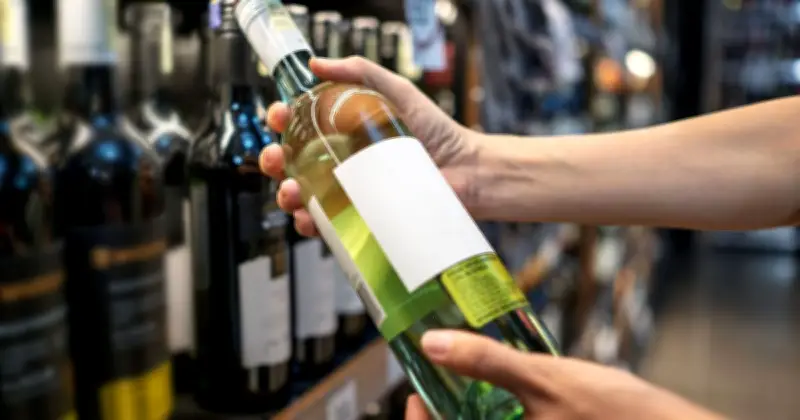
Experts have warned of rising wine prices in the UK thanks to wildfires and extreme heat in Europe. An incredibly hot summer has scorched the continent, resulting in droughts and fears over global food supplies. In France and Spain, wildfires have devastated communities, with mass evacuations as flames and thick smoke tore through towns, villages, and the surrounding countryside. Regions known for wine production, such as Bordeaux in France, were among the areas hit by brutal wildfires.
Impact on Vineyards and Harvests
Wine industry figures have expressed concern over what this means for vineyards and wine producers across the region. While vineyards in both countries have avoided direct impacts, smoke and extreme heat do pose risks to grape harvests. "The punishingly warm and dry conditions that have persisted across the regions will have an impact, not least on harvests, which are beginning earlier than usual across the continent," said James Beeson, drinks editor of The Grocer. "Wines made from drought-stressed vines tend to produce smaller and less juicy grapes, which will result in lower yields for winemakers."
Higher Alcohol and Taxes
Miles Beale, chief executive of the Wine and Spirit Trade Association, said it might be too soon to understand the extent of the effects, but says it’s clear that wine producers in Europe are "more and more affected by a changing climate". He added that higher temperatures mean grapes produce higher-ABV wines, which are now taxed at a higher rate in the UK, eventually having a knock-on effect on consumers. The WSTA has, as a result, called on the UK Government to consider "cash-strapped consumers and beleaguered wine businesses" in the Autumn Budget.
Mike Holt, wine supply chain manager at LWC Drinks, the UK’s largest independent drinks wholesaler, echoed this concern. "We work closely with wine producers across Europe, importing and supplying wines to pubs, bars and restaurants across the UK, so we see first-hand how climate-related challenges are becoming an increasingly important consideration for the industry," he said. "Hotter growing seasons can cause grapes to ripen more quickly and develop higher sugar levels, which can lead to wines with higher alcohol content. In the UK, where wine duty is linked to alcohol strength, that can add to costs before the bottle even reaches the shelf."
Threats to Small Producers and Diversity
Remi Cousins, sommelier at Wild Berkhamsted, also warned of more expensive wine as vineyards face an increased risk of wildfires and may have to raise their own prices to survive when crops are affected. Jen Deacon, a spokesperson for Laithwaites, the UK’s largest wine retailer, warned that smaller producers are particularly at risk. "The harder it becomes for small growers to turn a profit, the greater the risk that we lose local styles, indigenous grapes and centuries-old ways of life," she said. "That means less diversity on our shelves and ultimately higher prices for the wines that survive."
However, the impact goes well beyond supermarket prices. "When a fire destroys a vintage, it doesn’t just mean less wine on a supermarket shelf – it can threaten the future of the people, places and traditions that made that wine in the first place," Jen added. She also pointed out the secondhand effects of wildfires on vineyards, such as damaged local infrastructure. "The impact varies enormously depending on where and when a fire occurs, so consumers shouldn't expect every wine from Spain or France to be affected," he added. "However, the increasing frequency of extreme weather events means producers are having to adapt, from harvesting earlier to considering different grape varieties that are better suited to warmer conditions."
Smoke Taint and Potential Shortages
Smoke taint, a wine defect stemming from wildfire smoke, is one of the main concerns from wildfires, says Dave Roberts, senior wine buyer at Virgin Wines. "This may result in chunks of the crop in specific areas unusable from a quality perspective," he revealed. "That could lead to potential shortages and then price rises could follow, but it isn’t an exact science, and the picture will only clear once all the grapes are in and a little closer to finishing fermentation." However, it is not all bad news. In fact, warmer temperatures have made places like Denmark and the UK more suitable for producing wine. "The climate in the South of England now closely resembles that of Champagne several decades ago, and English sparkling wine is therefore enjoying a surge in popularity among consumers and critics alike," Beeson added.
Although the potential effects of wildfire, drought, and extreme heat on wine production are yet to be determined, it is one of the industries for which climate change has caused grave concern about its future.