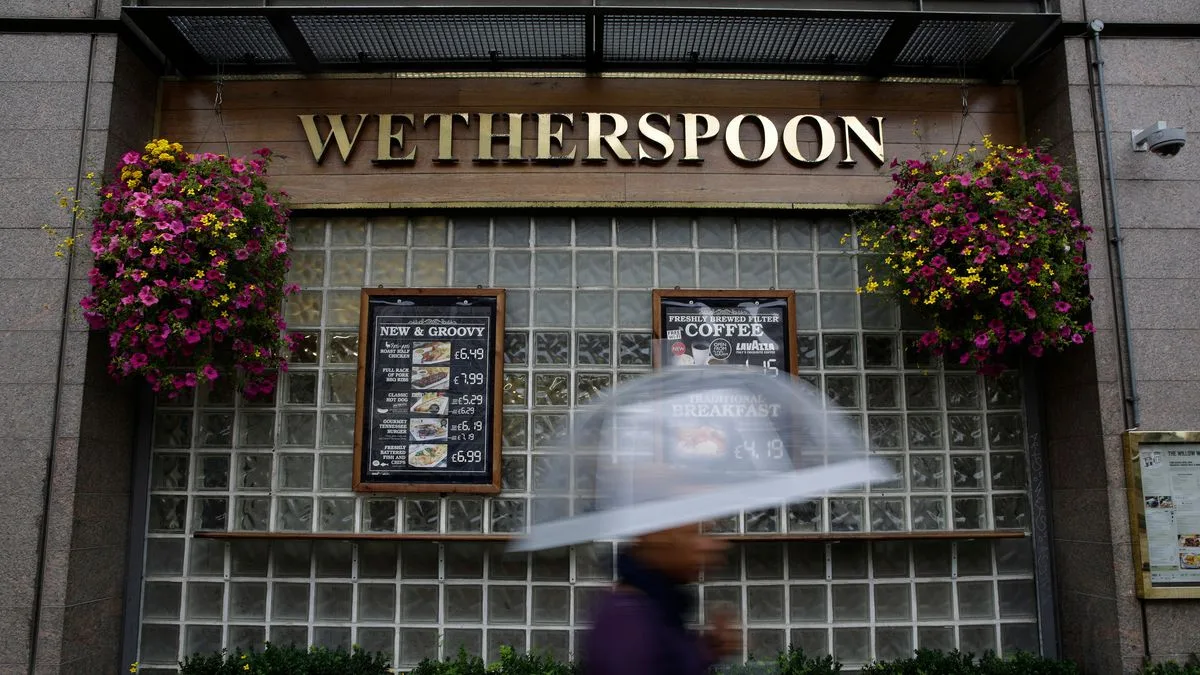
Pub chain JD Wetherspoon has stopped accepting Scottish £20 and £50 notes at its English establishments, citing concerns over counterfeit notes used by organised crime gangs. The ban, introduced in late November last year, has only recently come to light following customer complaints.
Spokesman Eddie Gershon said the Bank of England alerted the company in October to a large number of fake Scottish £20 notes being circulated. Despite advice on identifying counterfeits, the chain decided to refuse the notes after an increase in fake notes received in pubs. Scottish £50 notes are also not accepted for the same reasons.
The move has left some customers frustrated. Craig Neil, a 72-year-old from Troon, Ayrshire, was refused service at two Wetherspoons in Newcastle after trying to pay with a Scottish note. He described feeling angry and embarrassed, noting he had never had his money rejected in 70 years of visiting the city.
Martin Quinn of the Campaign for Cash warned that Scottish notes could become 'worthless' outside Scotland if businesses refuse them. However, Scottish notes are not legal tender in England and Wales, meaning businesses are within their rights to reject them. Legal tender status applies only to settling debts, not everyday transactions.
Wetherspoons said the ban does not apply in Scotland or certain English towns with strong Scottish connections, and the decision remains under review. Quinn urged chains to implement proper verification procedures to spot counterfeits rather than refusing notes outright.