

Warehouse Club Memberships Pay for Themselves Quickly with Routine Purchases
While shoppers might initially hesitate at the idea of paying an annual fee to enter a grocery store, a handful of everyday purchases can make the cost worthwhile surprisingly fast. Retail analysts confirm that memberships at warehouse clubs such as Sam's Club often pay for themselves after just a few routine shopping trips, turning a perceived expense into a significant money-saving opportunity.
Understanding the Payback Score
Owned by Walmart, Sam's Club charges $50 per year for a standard membership, with a $110 'Plus' tier offering perks like early shopping hours, free shipping on many online orders, and cash-back rewards. According to an analysis by Business Insider, some household staples can offset the membership fee many times over. Researchers developed a 'payback score' to estimate how much of the $50 annual fee would be recovered if a household bought only that product at Sam's Club instead of a typical grocery store.
A score of 100 means the membership pays for itself entirely. A score of 200 indicates the savings would cover the fee twice, while 50 means half the fee is recovered. This calculation is intentionally conservative, assuming shoppers purchase nothing else at the warehouse, which means actual savings could be even greater.

Top Money-Saving Items
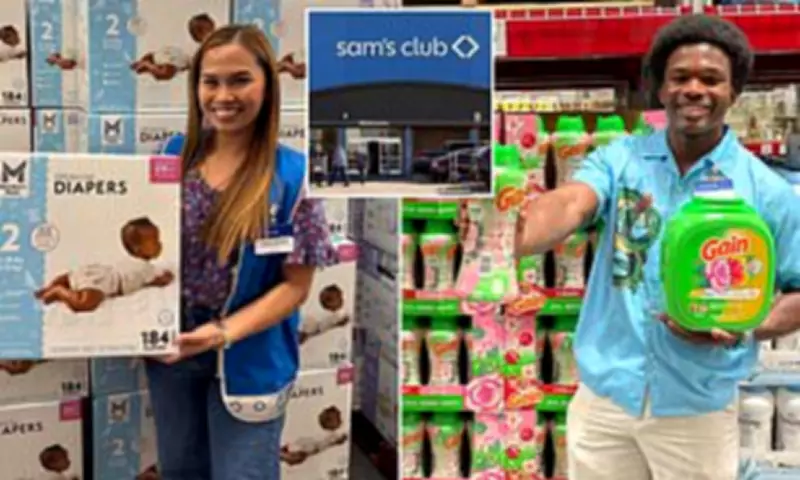
Diapers emerged as one of the biggest money-savers. A jumbo pack of 148 Huggies costs $47 at Sam's Club compared with nearly $64 elsewhere. At that price difference, the membership fee would be recovered in fewer than three purchases. Assuming 18 purchases annually—roughly 1.5 boxes per month—the savings generate a payback score of 599, meaning the membership cost would be covered nearly six times over by diapers alone.
Pet food followed closely behind. A 38-pound bag of Blue Buffalo dog food sells for $65 at Sam's Club, versus $92 at a typical retailer. Just two purchases would offset the fee, and assuming 10 purchases per year yields a payback score of 544—more than quadrupling the membership cost in savings.
Coffee also proved lucrative for frequent buyers. A 2.5-pound bag of Starbucks Pike Place roast coffee beans is priced at about $10 per pound at Sam's Club, compared with roughly $14.40 per pound elsewhere. By the fifth purchase, the membership would effectively pay for itself. With one bag purchased monthly, the savings translate to a payback score of 264—more than double the annual fee.
Additional High-Value Essentials
For families with infants, baby formula can quickly justify the expense. Large containers of Similac are about $8.80 cheaper than at conventional retailers, meaning the membership would be offset after six purchases. Buying one per month produces a payback score of 211, covering the fee more than twice. Sam's Club also offers a generic formula produced by Perrigo—the same major supplier used by other leading store brands—at roughly half the unit cost of name-brand alternatives.
Even smaller health and household purchases add up. Opti-Free contact lens solution costs about 30 percent less per ounce at Sam's Club, and a household using one 16-ounce bottle per month would see a payback score of 139 over a year. Allergy sufferers buying a 120-count bottle of Zyrtec—priced at $40 at Sam's Club compared with nearly $65 elsewhere—would nearly break even with just two purchases annually, producing a payback score of 99.
Grocery Staples and Moderate Savings
Grocery staples also contribute meaningful savings. Members Mark thick-cut bacon costs $4 per pound, compared with $7.33 per pound at a Midwestern grocery chain. Three annual purchases—roughly 12 pounds—generate a payback score of 80. A 2.5-pound container of Chobani Greek yogurt, priced about $3 less than at traditional retailers, yields a payback score of 71 when purchased monthly.

Supplements and cleaning supplies deliver more moderate returns. Vitafusion multivitamins, about $11 cheaper per bottle than elsewhere, require three annual purchases to produce a payback score of 67. Cascade dishwasher pods, roughly $8 less per large pack, would generate a payback score of 65 for a household running the dishwasher daily. Two-pound blocks of Members Mark colby jack cheese, priced about $1.30 less per pound, result in a payback score of 64 when consumed regularly throughout the year.
Gradual Break-Even Items
Some pantry basics break even more gradually. A six-pack of Barilla pasta costs about $3 less than elsewhere; assuming a weekly pasta night, nine purchases per year produce a payback score of 50—covering half the fee. Paper goods and detergents, long associated with warehouse savings, offer smaller but steady returns.
A four-pack of 3M Filtrete HVAC filters, $24 cheaper than competitors, yields a payback score of 48 for most households that replace filters quarterly. A 32-pack of Charmin toilet paper costs 16 cents less per roll than comparable packs elsewhere; using 10 rolls per month results in a payback score of 41. Tide laundry detergent, priced at roughly $0.15 per ounce versus $0.17 elsewhere, produces a payback score of 16 with two large jugs annually. A single yearly purchase of Pompeian olive oil, about 11 cents cheaper per ounce, yields a payback score of 15.
Overall Value Proposition
Taken together, the analysis suggests that while big-ticket items can quickly offset the upfront cost, it is high-frequency essentials—particularly diapers, pet food, and coffee—that offer the most compelling long-term value. Sam's Club operates as a membership-only retailer, offering groceries, household essentials, electronics, furniture, and more at discounted per-unit prices, making it a strategic choice for budget-conscious consumers.





